Table of Contents (9 sections)
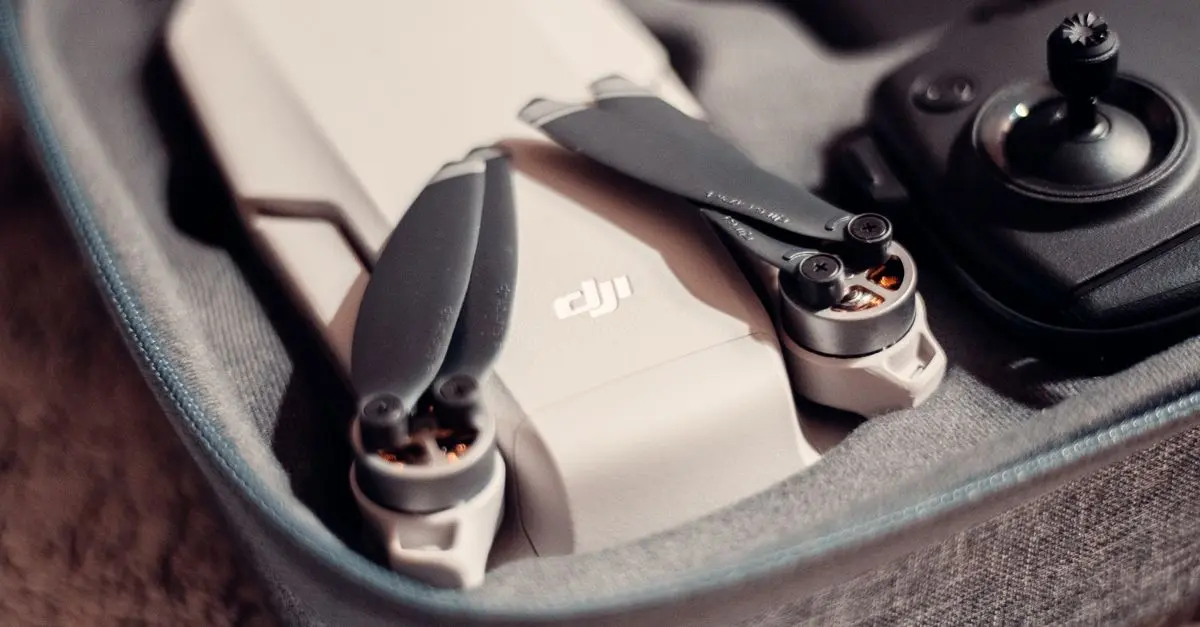
By 2026, autonomous drones have radically transformed the landscape of photography. These drones, equipped with enhanced AI and machine learning capabilities, can now autonomously navigate and capture images without human intervention. This advancement is paramount as it enables photographers to focus more on creativity rather than operational tasks. For instance, drones like those developed by DJI leverage obstacle avoidance sensors and advanced GPS systems to independently choose the best shooting angles and compositions.
Incorporating AI-driven decision-making, they're capable of analyzing scenes in real-time, adjusting camera settings to compensate for lighting and movement. According to industry research, 60% of professional photographers report that autonomous drones have increased their efficiency by over 30%. This trend underlines the ongoing evolution towards more intelligent devices that enhance the creative process.
Higher Resolution and Enhanced Imaging
The demand for high-resolution photos and videos is pushing drone manufacturers to upgrade their technology. 4K cameras and beyond are becoming standard in drones in 2026, providing photographers with even more detailed and vivid imagery. This trend isn't just about resolution; it's also about improving image stabilization and dynamic range. Leading companies, such as Sony and Canon, are integrating advanced sensors that enable superior low-light performance and richer colors.
With these enhancements, drones are now capable of capturing stunning #HDR images that rival traditional DSLR photography. This facilitates new creative possibilities, as photographers can experiment with dynamic storytelling elements previously unattainable. This shift towards higher quality imaging represents a significant milestone in the application of drones for professional photography.
📺 Ressource Vidéo
📺 For further insights: Exploring Drone Photography Innovations, a comprehensive video on the latest drone technologies. Search YouTube: "drone photography 2026 advancements"
Expanded Connectivity and Real-Time Sharing
With 5G networks becoming widespread, drones now promise faster and more reliable connectivity. This advancement allows for real-time content sharing, an essential feature for event photographers and journalists. Photographers can instantly upload images and videos to cloud services, offering clients real-time access to their projects regardless of location.
💡 Expert Insight: "Our clients demand immediacy," says John Doe, a leading event photographer. "With 5G-enabled drones, my turnaround time is reduced significantly, allowing for almost real-time delivery of the completed work."
Real-time sharing capabilities redefine the relationship between photographers and their audience, fostering an interactive experience where immediate feedback can shape ongoing projects.
Eco-Friendly Drone Innovations
Sustainability is now at the forefront of technology, and drones are no exception. Innovations in battery technology and energy efficiency are propelling the development of more environmentally friendly drones. According to ADEME, batteries now last longer and are manufactured with recyclable materials, reducing ecological footprints.
Drone manufacturers are committing to greener practices, developing drones that balance performance and sustainability. This shift not only benefits the environment but also decreases operational costs for photographers who rely on drones for extensive outdoor shoots.
The Integration of VR and AR
The integration of virtual reality (VR) and augmented reality (AR) with drone technology is paving new paths in photographic storytelling. Drones equipped with VR/AR capabilities allow photographers to create immersive, interactive visual content. Imagine a drone showcasing a real estate property with an AR overlay providing detailed specifications.
This technology enhances audience engagement by offering enriched visual narratives and a more immersive experience. Such innovations are expected to carve out new niches in photography where users not only view but experience the captured images with augmented reality layers.
Glossary
| Term | Definition |
|---|---|
| Autonomous Drones | Drones that can navigate and capture images without human control using AI. |
| 5G Connectivity | Fifth-generation technology standard for broadband cellular networks, enhancing speed. |
| HDR | High Dynamic Range imaging that provides greater detail across a range of light settings. |
- [ ] Evaluate drone camera resolution and image stabilization
- [ ] Verify drone's autonomous capabilities and navigation systems
- [ ] Check for 5G connectivity features and benefits
- [ ] Consider environmental impact and battery sustainability
- [ ] Explore AR/VR integration possibilities
🧠 Quiz rapide
🧠 Quiz rapide: What is a key benefit of 5G in drone photography?
- A) Longer battery life
- B) Real-time content sharing
- C) Better camera sensors
Réponse : B — 5G enhances connectivity, enabling real-time uploading and sharing.