Table of Contents (16 sections)
Photography is not just about pointing and shooting; it's an art form that requires understanding various styles and techniques. Each genre of photography offers unique opportunities for creativity and skill development. In this article, we’ll explore the best photography genres to master, enabling you to enhance your portfolio and skills.
1. Portrait Photography
Portrait photography focuses on capturing the personality and mood of individuals or groups. This genre requires skill in controlling lighting and composition, as well as an understanding of your subjects. Techniques such as using shallow depth of field to blur the background can emphasize the subject, while natural light can create a more intimate setting. According to the American Photography Association, portrait photography can significantly enhance your skills in directing and communicating with your subject.
2. Landscape Photography
Landscape photography transports your audience to stunning scenes from around the world. Mastering this genre involves understanding natural light and its effects. The golden hour, which occurs shortly after sunrise and before sunset, provides the best lighting for landscape shots. Experimenting with different angles and perspectives can significantly enhance the mood of your images. Moreover, learning about composition techniques such as the rule of thirds will help you create balanced and engaging images.
3. Street Photography
Street photography is all about capturing candid moments in public spaces. This genre challenges photographers to be versatile, quick, and spontaneous. It is important to be aware of your surroundings and ready to shoot at a moment's notice. One effective technique is to shoot in monochrome as it emphasizes textures, shapes, and contrasts, often leading to more compelling storytelling. A survey by Photo District News revealed that street photography helps develop creative instincts and observational skills.
4. Wildlife Photography
Wildlife photography allows photographers to connect with nature and its inhabitants. This genre often requires patience and understanding of animal behavior to capture compelling images. Investing in a good telephoto lens can help you photograph animals from a distance without disturbing them. Additionally, knowing the best times to shoot according to animal activity can significantly increase your chances of getting that perfect shot. According to the Wildlife Photographers Association, this genre not only enhances technical abilities but also fosters a deeper appreciation for wildlife.
5. Macro Photography
Macro photography focuses on capturing tiny subjects at close range. This genre reveals details that are often unnoticed by the naked eye, offering a fresh perspective on ordinary objects like flowers or insects. Equipment like a macro lens can be crucial for getting high-quality close-ups. Mastering lighting—especially using diffusers to soften harsh shadows—can dramatically improve the quality of your macro shots. It’s estimated that macro photography can ignite creativity, inspiring new subjects to explore.
6. Event Photography
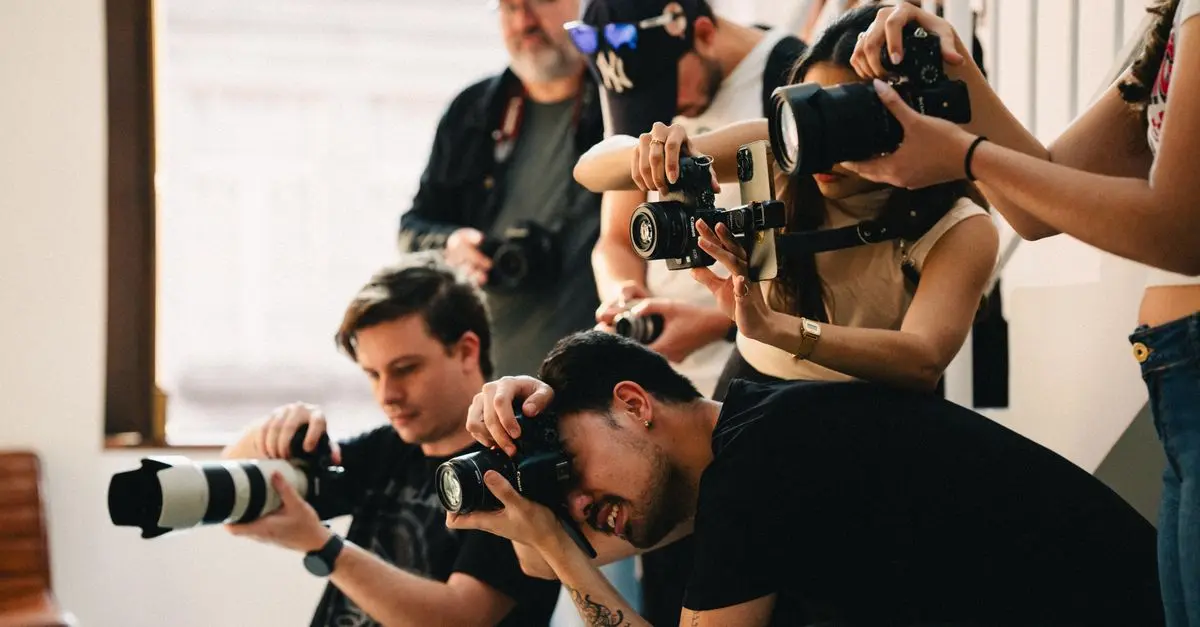
Event photography involves capturing moments from occasions such as weddings, parties, or corporate events. This genre requires the photographer to be adaptable and capable of handling various lighting conditions in real-time. Techniques such as understanding the significance of candid moments alongside posed shots are essential. According to an article by The Wedding Photojournalist Association, mastering event photography helps build strong communication and responsiveness skills, leading to more authentic captures.
7. Architectural Photography
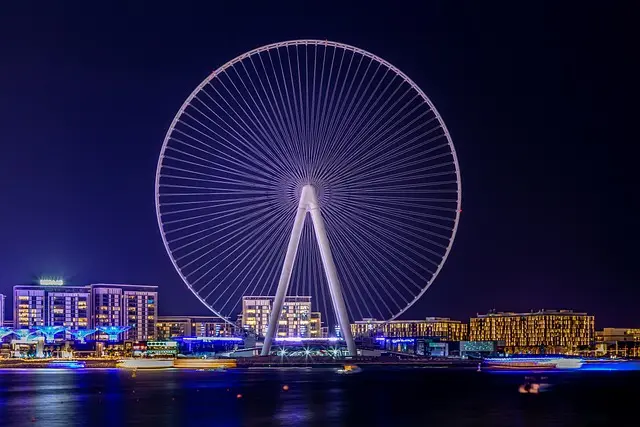
Architectural photography focuses on building structures and interior designs, capturing their aesthetic appeal. Light and shadow play a crucial role in this genre. Utilizing wide-angle lenses can help encapsulate the entire structure while showcasing its unique design elements. Research from the American Institute of Architects suggests that mastering architectural photography not only enhances technical skills, but also deepens the appreciation for form and space in design.
8. Fashion Photography
Fashion photography combines art and commercial photography to showcase clothing and other fashion items. Success in this genre typically relies on collaboration with designers and models, requiring strong communication skills. Understanding various lighting techniques, such as high-key lighting, can dramatically change the mood and presentation of fashion items. According to Fashion Photography Magazine, mastering this genre can greatly enhance your creative direction and storytelling skills.
9. Conceptual Photography
Conceptual photography focuses on conveying ideas and concepts through visual storytelling. Photographers often use props, locations, and subjects that symbolize their intended message. Thinking outside the box is crucial, and it generally requires a good understanding of art direction. Art organizations indicate this genre can significantly boost your creative thinking and ability to convey abstract ideas visually.
10. Astrophotography
Astrophotography captures celestial events, celestial bodies, and nighttime scenes. This unique genre requires special equipment like a telescope for deep-sky photography or a sturdy tripod for stabilization. Understanding long exposures can help in capturing stunning images of stars and galaxies. Astronomical clubs note that mastering astrophotography enhances technical skills and patience, as waiting for the right moment can be essential.
📺 Resource Video
> 📺 Explore Different Photography Styles relates various genres and offers tips for photographers. Search for "best photography genres 2026" on YouTube for great insights.
Glossary
| Term | Definition |
|---|---|
| Depth of Field | The distance between the nearest and farthest objects in a photo that appear acceptably sharp. |
| Monochrome | An image created using a single color or shades of one color, commonly used in street photography to highlight textures and contrasts. |
| Golden Hour | The period shortly after sunrise or before sunset when the sunlight is softer and warmer, ideal for photography. |


6inch USB LED Video Light Dimmable Ring Lamp for Photography Selfie Live Studio
Darty FR
Checklist before Starting a New Genre
- [ ] Research the genre thoroughly.
- [ ] Gather necessary equipment.
- [ ] Experiment with lighting conditions.
- [ ] Practice with models or subjects.
- [ ] Seek feedback on your work.
Conclusion
Exploring various photography genres can significantly enhance your skills and creativity. Each genre challenges you in unique ways, pushing your artistic boundaries and technical abilities. By understanding the essentials of each genre, you can better decide which paths to pursue in your photographic journey.
Recommended Products
- Product 1: A photography belt pouch is perfect for keeping your gear organized and accessible during shoots.
- Product 2: A dimmable LED ring lamp provides optimal lighting for portraits and macro photography, enhancing the quality of your images.
🧠 Quick Quiz: What photography genre focuses on capturing moments in everyday life?
- A) Wildlife Photography
- B) Street Photography
- C) Macro Photography
Answer: B — Street photography captures the essence of daily life in public spaces.
📺 Pour aller plus loin : best photography genres 2026 sur YouTube
Recommended products
Selected by our experts
Gb-1 Utility Photography Belt Lens Pouches Case With 4 Metal D-rings
Darty FR
This photography belt pouch is essential for keeping your camera gear organized and easily accessible during shoots.
6inch USB LED Video Light Dimmable Ring Lamp for Photography Selfie Live Studio
Darty FR
The LED dimmable ring lamp is great for enhancing lighting quality in portraits and macro photography.