Table of Contents (14 sections)
Photography is a vast field that captures moments, emotions, and stories. Whether you are just starting your photography journey or looking to refine your skills, discovering various photography styles can help hone your unique artistic voice. In this article, we will explore different photography styles, their characteristics, and how you can experiment with them to find what truly resonates with your creative vision.
Understanding Photography Styles
Before diving into specific styles, it’s essential to understand what photography styles entail. Each style has its unique aesthetic, technique, and purpose. Understanding these nuances helps photographers convey specific feelings or messages through their work. According to a survey by UFC-Que Choisir, photographers often find their niche by exploring multiple styles before settling on one that feels authentic.
Why Explore Different Styles? Exploring various photography styles not only broadens your technical skills but also enhances your creativity. Engaging with different methods allows you to step outside your comfort zone, leading to more innovative results. By experimenting with styles that may initially seem foreign or challenging, you can discover new passions and directions in your work.
1. Portrait Photography: Capturing Emotion
Portrait photography focuses on capturing the personality and mood of individuals or groups. Utilizing natural or artificial light to highlight features, portrait photography aims to tell a story through facial expressions and poses. Renowned photographers like Annie Leibovitz have mastered this art, showcasing emotions that resonate with viewers. To create compelling portraits:
- Communicate with your subject. Establishing trust helps them relax, resulting in more genuine emotion in the photo.
- Play with lighting. Whether using natural light at sunrise or studio softboxes, lighting dramatically impacts the mood.
- Experiment with backgrounds. A simple backdrop or an interesting location can complement the portrait, adding depth.
2. Landscape Photography: A World of Wonder
Landscape photography aims to capture the beauty of our surroundings. It often involves extensive planning to identify the best times for natural light, optimal seasons, and unique locations. Photographers like Ansel Adams are well-known for their breathtaking images of the American wilderness. Key aspects of landscape photography include:
- Early and late light: The golden hours of sunrise and sunset provide exceptional colors and shadows, bringing landscapes to life.
- Composition techniques: Using the rule of thirds can enhance a landscape shot, leading the viewer's eye through the scene.
- Long exposure: This technique captures movement in elements like water, creating a dreamy, ethereal effect.
3. Street Photography: The Art of Everyday Life
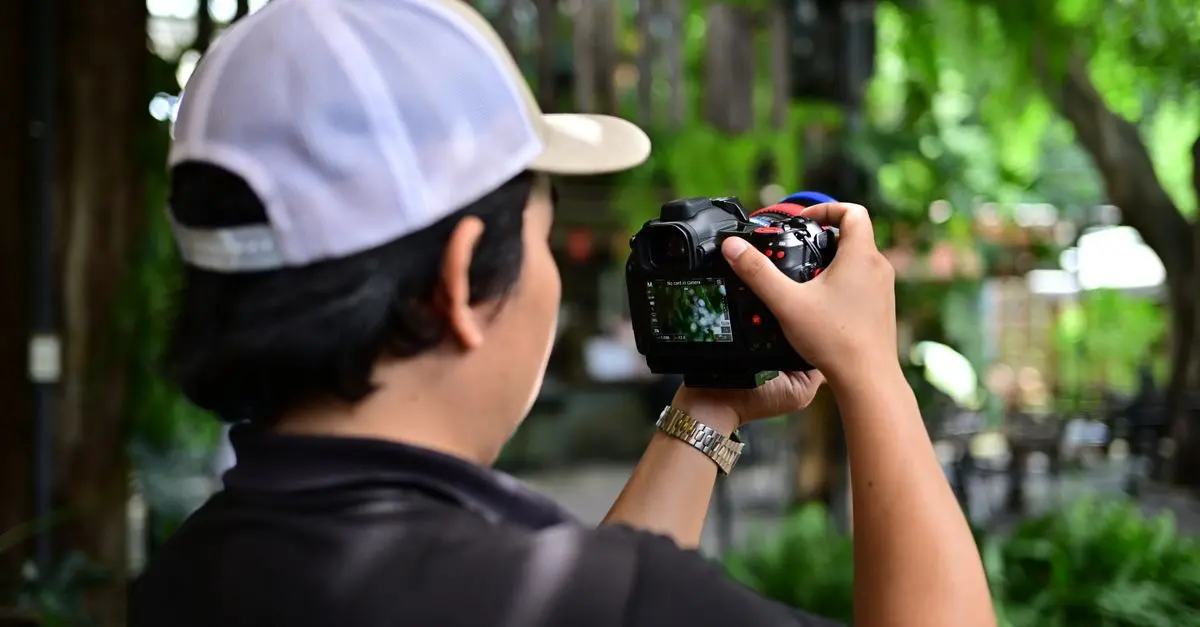
Street photography focuses on capturing candid moments in public spaces. This style is characterized by spontaneity, requiring a keen eye to spot potential moments. Photographers like Henri Cartier-Bresson have perfected this genre, emphasizing storytelling through everyday events. To excel in street photography, consider:
- Be observant. Look for interesting interactions, emotions, and scenarios unfolding in real-time.
- Blend in. Wearing neutral or inconspicuous clothing can make subjects less aware, resulting in more natural photographs.
- Use a fast shutter speed. This helps capture fleeting moments without blurriness.
4. Macro Photography: The Tiny World
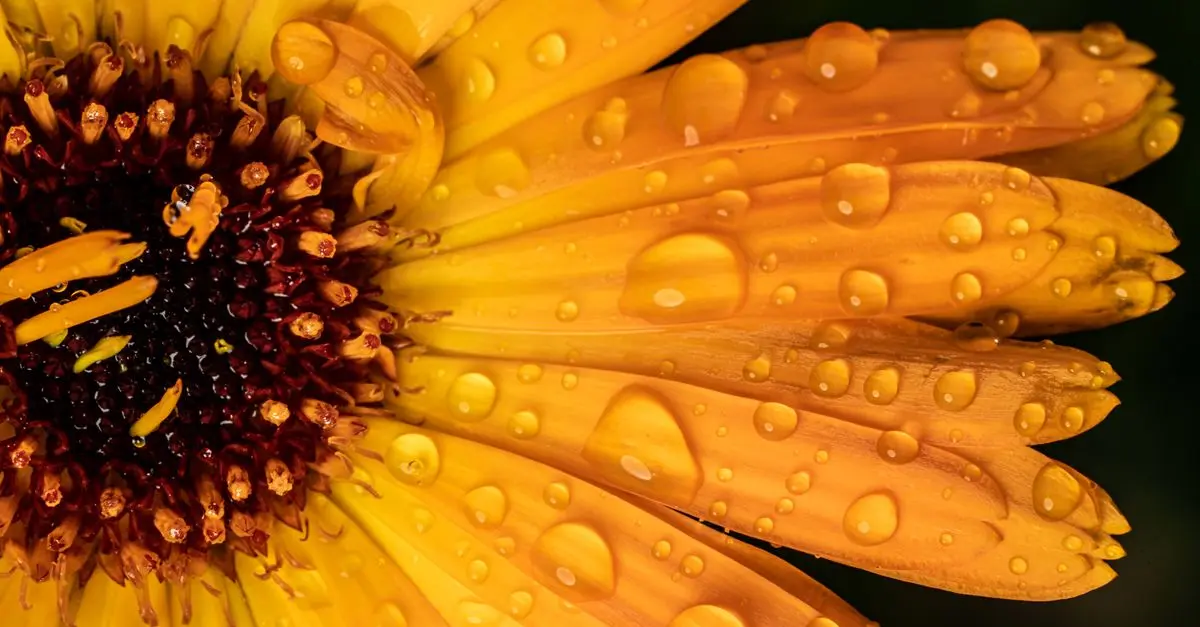
Macro photography zooms in on small subjects, revealing intricate details often missed by the naked eye. This style is beloved by nature enthusiasts and involves specialized equipment, like macro lenses and ring lights. Famous macro photographers highlight the beauty of insects, flowers, and other small entities. To dive into macro photography:
- Choose the right equipment. Invest in a quality macro lens to enable detailed close-ups.
- Control your lighting. Natural light is beautiful but can be harsh; consider diffusing it to soften shadows.
- Focus on composition: Look for leading lines, patterns, and textures that enhance a macro shot's visual appeal.
5. Architectural Photography: Celebrating Structures
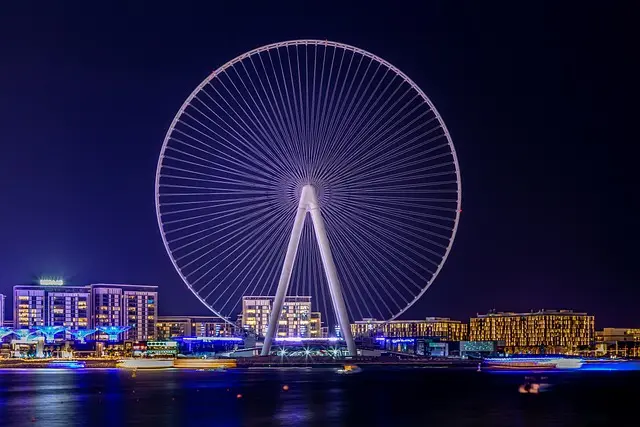
Architectural photography captures buildings, interiors, and landscapes, highlighting the artistry of design. It requires understanding perspective and angles, as well as how light interacts with structures. Notable architectural photographers include Iwan Baan. To create striking architectural images:
- Use wide-angle lenses. These can capture entire structures in one frame, emphasizing scale.
- Consider symmetry and lines. These elements can lead to harmonious compositions.
- Shoot at various times of the day. Different lighting conditions influence how a structure is perceived, often enhancing textural contrasts.
6. Fashion Photography: The Intersection of Art and Style
Fashion photography combines photography with art, culture, and the latest trends. Typically associated with magazines and advertisements, this style requires collaborators, including models, stylists, and makeup artists. Iconic fashion photographers like Richard Avedon have transformed how fashion is portrayed. Tips for fashion photography include:
- Storytelling through images. Each photo should convey a narrative about the clothing and the model.
- Experiment with locations. Urban settings or natural backdrops can enhance the fashion being showcased.
- Pay attention to detail. Ensure clothing fits well and accessories are styled properly to enhance the overall shot.
7. Wildlife Photography: The Call of Nature
Wildlife photography focuses on capturing animals in their natural habitat. This genre emphasizes patience, as it often requires long hours waiting for the perfect moment. Wildlife photographers like National Geographic’s Steve Winter are renowned for their stunning imagery. To master wildlife photography:
- Know your subject. Research animal behavior to predict their movements and increase the likelihood of great captures.
- Use camouflage gear. Blending into your surroundings can make animals less wary and more likely to engage in natural behaviors.
- Utilize telephoto lenses. This allows you to capture close-ups without disturbing the wildlife.
8. Abstract Photography: Creative Interpretations
Abstract photography moves away from traditional representations, focusing on lines, shapes, and colors to evoke emotion without clear subject matter. This style allows for immense creative freedom, encouraging photographers to express their interpretation of the world. To explore abstract photography:
- Play with light and shadow. Using different light sources can create unexpected patterns and contrasts.
- Experiment with angles. Unique perspectives can lead to compelling abstract visuals.
- Focus on textures. Capturing the surface of various materials can create captivating abstractions.
Comparing Photography Styles
| Photography Style | Key Features | Ideal Subjects | Recommended Techniques |
|---|---|---|---|
| Portrait Photography | Emotion, expression | People | Lighting, communication |
| Landscape Photography | Natural beauty, environment | Scenery, nature | Golden hour, composition |
| Street Photography | Candid moments, everyday life | Urban settings | Quick shutter speed, observation |
| Macro Photography | Close-ups, fine details | Small subjects like insects | Quality macro lens, lighting control |
| Architectural Photography | Structures, design | Buildings, interiors | Wide-angle lens, perspective |
| Fashion Photography | Artistic presentation, trends | Clothing, models | Storytelling, location variation |
| Wildlife Photography | Nature, animals | Wildlife | Patience, telephoto lens |
| Abstract Photography | Shapes, colors | Forms, patterns | Innovative angles, texture focus |
Why is lighting important in photography?
Lighting is crucial because it affects the exposure, mood, and clarity of an image. Mastering natural and artificial light can drastically improve photo quality.
How can I find my photography style?
Finding your photography style comes from experimenting with different genres, techniques, and personal interests. Over time, you will start to identify what resonates most with you.
What gear is essential for starting photography?
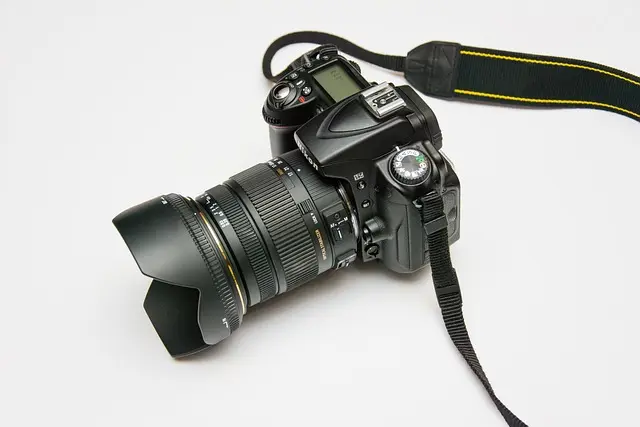
While gear can vary by style, a good starting point includes a quality camera (DSLR or mirrorless), a standard lens, and some basic editing software.
Checklist before exploring photography styles
- [ ] Research different photography styles
- [ ] Experiment with lighting techniques
- [ ] Invest in appropriate equipment
- [ ] Engage in online forums or communities
- [ ] Take a series of photos in various styles
Glossary
| Term | Definition |
|---|---|
| Macro Photography | A style that captures small subjects in extreme close-up, revealing intricate details. |
| Exposure | The amount of light that reaches the camera sensor, affecting the brightness of an image. |
| Composition | The arrangement of visual elements in a photograph, guiding the viewer's eye and creating balance. |
> 📺 For further insight: Explore YouTube for videos on capturing different photography styles and techniques. Search for: "exploring photography styles 2026".
By exploring these varied styles, you can discover what aligns best with your artistic voice and passion for photography. Dive into each genre, and experiment freely. We encourage you to share your journey and findings as you develop your unique perspective in the lens of creativity. Discover what speaks to you and let that influence your photography vision. Happy shooting!
📺 Pour aller plus loin : Portrait Photography Trends for 2026 sur YouTube
Recommended products
Selected by our experts

6inch USB LED Video Light Dimmable Ring Lamp for Photography Selfie Live Studio
Darty FR
The dimmable ring lamp is essential for achieving perfect lighting in portraits and macro photography.