Table of Contents (14 sections)
Becoming a successful photographer requires more than just an eye for capturing beautiful moments; it also necessitates the right tools. Quality photography tools can elevate your craft, making it easier to produce stunning images. In this article, we will explore the essential photography tools that can help both amateur and professional photographers enhance their skills and produce work that stands out.
1. The Camera Body: Your Creative Canvas
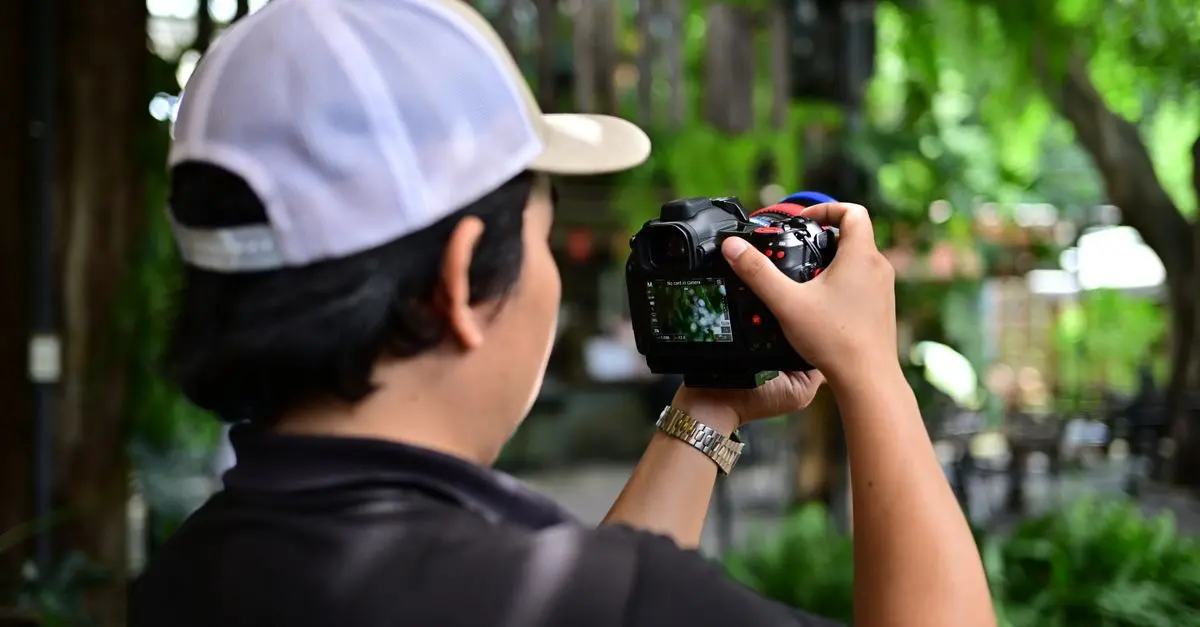
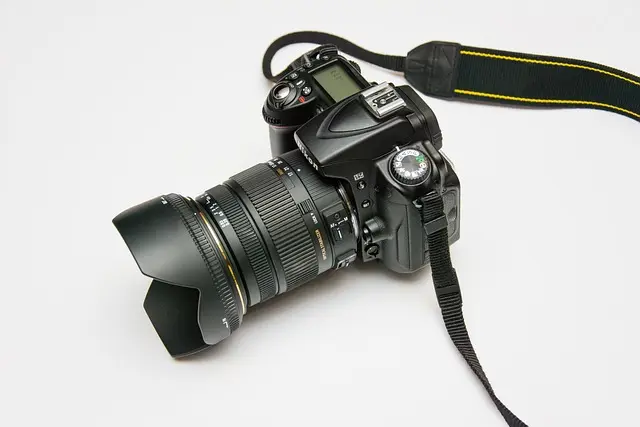
Every photographer's journey begins with a camera body, the fundamental tool that transforms ideas into images. Opting for a camera with a good sensor and versatile features is essential. Whether you choose a DSLR or a mirrorless system, ensure it suits your style. Many photographers today prefer mirrorless cameras due to their compact size and advanced technology. According to Les Numériques, mirrorless systems have seen a 50% growth in market share over the last few years, illustrating their increasing popularity among photographers. Not only do they provide high-quality images, but they often come equipped with modern features like faster autofocus and video capabilities.
2. Quality Lenses: The Heart of Your Shots
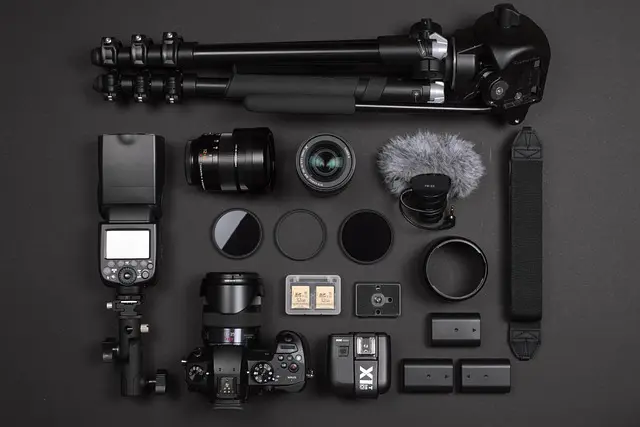
Next, let's talk about lenses, crucial elements that can drastically alter the outcome of your photos. Different lenses serve various purposes—wide-angle lenses for landscapes, macro lenses for close-ups, and telephoto lenses for wildlife or sports photography. Investing in high-quality glass ensures sharper images and improved low-light performance. A 35mm prime lens is a versatile choice for many genres, and having a combination of zoom and prime lenses in your kit can cover multiple shooting conditions and scenarios. 60 Millions de Consommateurs emphasizes the importance of investing in quality lenses for creating impactful images.


3. Tripod: Stability is Key
When it comes to sharp images, especially in low-light conditions, a sturdy tripod is indispensable. A good tripod stabilizes your camera, ensuring longer exposure times without the risk of camera shake. Opt for a lightweight model that is easy to carry if you are shooting on location. Look for a tripod that can handle the weight of your camera setup. According to our experience, a tripod with adjustable legs and a level can help you achieve precise compositions, making it a worthwhile investment for serious photographers.
4. External Flash: Mastering Lighting Conditions
Natural light doesn’t always play ball, and that’s where an external flash comes into play. Unlike built-in flashes, external flashes offer more control over lighting conditions, allowing you to bounce light off surfaces for softer shadows and better output. An external flash gives you the flexibility to illuminate your subject without them looking washed out. Pairing it with diffusers can enhance the quality of light, making your portraits flattering. UFC-Que Choisir suggests that mastering artificial lighting can significantly improve indoor and nighttime photography.
5. Editing Software: The Post-Production Powerhouse
In the digital age, tools for editing your photos are just as important as the tools you use to capture them. Software such as Adobe Lightroom or Photoshop can allow you to enhance your images, correct colors, and even retouch photos to achieve your desired look. According to industry standards, nearly 90% of photographers use editing software to refine their work. Investing time in learning how to use these tools will elevate your final images.
6. Camera Bag: Protect Your Gear
Carrying your equipment safely is vital. A well-organized camera bag protects your tools from weather conditions and accidental damage. Look for a bag that offers padded compartments and customizable sections so you can fit your gear perfectly. According to user feedback, camera bags with weather-resistant features come highly recommended, especially for outdoor photographers.
7. Cleaning Kit: Maintain Your Lens and Sensor
Keeping your equipment clean is crucial for ensuring high-quality images. A basic cleaning kit should include microfiber cloths, lens brushes, and sensor cleaning tools. Dust and smudges can ruin a perfect shot, and maintaining cleanliness will prolong the life of your tools. Many photographers emphasize that regular maintenance pays off in image quality. Les Numériques highlights that a clean lens can noticeably improve image clarity and contrast.
8. Remote Shutter Release: Capture the Moment
A remote shutter release allows you to take photos without physically pressing the camera shutter, which can cause camera shake. It's especially useful for long-exposure shots, timelapse photography, or when you want to include yourself in the frame. These devices are often cost-effective and can open new avenues for creative photography.
9. Light Meter: Precision in Exposure
While most modern cameras have built-in metering systems, a dedicated light meter can provide more accurate readings for tricky lighting conditions. This tool can help ensure you are exposing your images perfectly, particularly in challenging situations such as concert photography or high-contrast scenes. Experts recommend investing in a good light meter to elevate your exposure game.
10. Notebook and Pen: Documenting Your Journey
Finally, every serious photographer should keep a notebook handy. Jotting down notes about specific settings, ideas for future shoots, or even inspiration strikes can prove invaluable over time. Maintaining a visual diary can help you track your progress and refine your style. It can also act as a reflective tool to look back on your journey as a photographer.
📺 For further insights:
Look for videos on YouTube about essential photography tools or gear reviews by professional photographers. Search for "essential photography tools 2026" for comprehensive guides.
Checklist before you purchase:
- [ ] Evaluate camera body features
- [ ] Consider lens versatility
- [ ] Ensure tripod stability and portability
- [ ] Research external flash lighting options
- [ ] Choose editing software that fits your workflow
- [ ] Check for camera bag durability
- [ ] Acquire a cleaning kit
- [ ] Invest in a remote shutter release
- [ ] Consider getting a light meter
- [ ] Keep a notebook for documenting ideas
Glossary
| Term | Definition |
|---|---|
| Aperture | The opening in a lens that controls the amount of light reaching the sensor. |
| Shutter Speed | The duration for which the camera's shutter is open to expose light to the sensor. |
| ISO | A measure of a camera sensor's sensitivity to light. |
---
📺 Pour aller plus loin : essential photography tools 2026 sur YouTube
Recommended products
Selected by our experts
Leica - Mp 0.72 Black Camera
bestbuy.com
The Leica MP is praised for its mechanical perfection and is ideal for photographers who value quality craftsmanship.
Polaroid I-2 Instant Camera
polaroid.com
The Polaroid I-2 offers instant photography with built-in manual controls, perfect for photographers looking to experiment with instant film.
Polaroid I-2 Travel Set
polaroid.com
The Polaroid I-2 Travel Set includes a protective case and color film, making it a well-rounded choice for on-the-go shooting.