Table of Contents (12 sections)
As photography evolves with technology, many hobbyists consider making the leap into professional photography. This journey can be exciting yet daunting, but with the right guidance, you can smoothly transition into this rewarding profession. This article provides a detailed step-by-step guide to help you navigate this change successfully.
1. Define Your Photography Niche
Before diving into the ocean of professional photography, it’s critical to identify your niche. Specializing helps you stand out in a crowded marketplace. You might excel in portrait photography, landscapes, wildlife, weddings, or product photography. For example, according to a survey by The Professional Photographers of America (PPA), 69% of successful photographers attribute their success to specializing in a certain genre. Tip: Conduct market research to assess current trends in photography. Consider what aligns with your interests and skillset — find your unique angle.
2. Build a Portfolio
Establishing a portfolio that reflects your unique style is essential in showcasing your skills to potential clients. A professional portfolio should showcase your best work, encapsulating a range of styles within your niche. Utilize platforms like Adobe Portfolio or Squarespace to create a visually appealing website. According to PPA, a well-curated portfolio can increase client inquiries by up to 60%. Check the following tips while building your portfolio:
- Diversity: Include various projects within your niche.
- Quality Over Quantity: Curate your best work; 10-15 high-quality images are often more impactful than a thousand mediocre ones.
- Personal Projects: Incorporate personal projects; they often reflect your true passion.
3. Develop Your Business Skills
Transitioning into professional photography isn’t just about taking great photos; it also requires developing sound business skills. As a freelancer or studio owner, you'll be responsible for pricing, marketing, contracts, and client management.
Here are some vital business skills to improve:
- Pricing Your Services: Research competitors in your area and set competitive pricing.
- Marketing Yourself: Utilize social media platforms effectively. Instagram and Pinterest can be great platforms to showcase your work.
- Client Management: Learn how to communicate effectively and manage expectations.
4. Invest in Gear and Software
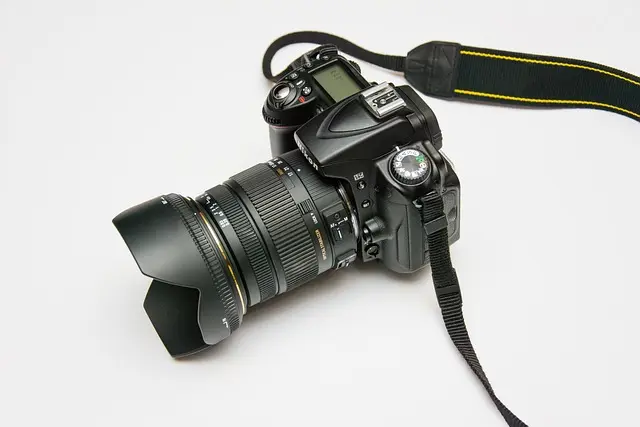
While it's true that passion and skill play significant roles in photography success, having the right tools can elevate your work. You don’t necessarily need the most expensive equipment, but investing in quality gear is important. According to Canon, the equipment that works best often leads to better results and can enhance your creativity. Key equipment to consider includes:
- Camera: A reliable DSLR or mirrorless camera.
- Lenses: Invest in versatile lenses suited to your niche.
- Editing Software: Familiarize yourself with tools like Adobe Lightroom and Photoshop for post-processing.
Check these essential products selected for budding photographers below!
5. Network and Collaborate
Networking is vital in any professional field. Building relationships with other photographers, local businesses, and potential clients can lead to referrals and collaborative projects. Attend photography events, workshops, or trade shows to connect with others. Joining organizations like PPA can also provide networking opportunities and resources. Collaborate on projects with other creatives which can lead to exposure and mutual benefits.
6. Establish an Online Presence
In today's digital world, having a strong online presence can significantly boost your visibility as a photographer. Your website should be professional and user-friendly, showcasing your portfolio and offering essential information about your services. SEO methods can help improve your site’s visibility. Consider blogging about your photography experiences or sharing tips, which positions you as an expert and attracts traffic. According to research done by HubSpot, websites with consistent blog updates receive 55% more visitors.
7. Set Realistic Goals
Setting achievable, measurable goals will help maintain your focus and passion. Goals should encompass both short-term objectives, such as securing your first paying client, and long-term ambitions, like achieving a specific income level within your first year. Tip: Use the SMART criteria (Specific, Measurable, Achievable, Relevant, Time-Bound) to create effective goals.
8. Stay Updated on Trends
The photography industry is ever-evolving. Staying updated on trends will help you maintain relevance in your niche. Follow photography blogs, subscribe to industry newsletters, join professional groups, and participate in online forums. Learning about emerging techniques and technology not only improves your skills but can also inspire creativity and fresh ideas.
💡 Expert Opinion: In my transition journey, investing time in both technical and business skills has proven invaluable. Remember, your passion, combined with adept business strategies, can make your photography career flourish.
Checklist Before Transitioning to Professional Photography
- [ ] Define your photography niche.
- [ ] Build a comprehensive and diverse portfolio.
- [ ] Improve your business skills.
- [ ] Invest in suitable gear and editing software.
- [ ] Network with industry professionals.
- [ ] Create a strong online presence.
- [ ] Set realistic career goals.
- [ ] Stay updated on current trends and techniques.
Glossary
| Terme | Définition |
|---|---|
| Niche | Un segment spécifique du marché auquel un photographe choisit de se consacrer, tel que la photographie d'événements, de portrait ou de paysage. |
| Portfolio | Une collection d'œuvres d'un photographe présentée pour démontrer leurs compétences et leur style aux clients potentiels. |
| Networking | Le processus de création et de développement de relations professionnelles dans le but de partager des ressources et d'augmenter sa visibilité dans l'industrie. |

Shampoing nourrissant Ultimate Smooth - Wella Professionals
Blissim FR
Sponsored by Awin Bruno

Shampooing cheveux colorés Color Freeze - Schwarzkopf Professional
Blissim FR
Sponsored by Awin Bruno

Shampoing cheveux blancs et éclaircis Color Freeze - Schwarzkopf Professional
Blissim FR
Sponsored by Awin Bruno
📺 Ressource Vidéo
> 📺 Pour aller plus loin : Explore the transition from hobbyist to professional photographer, offering valuable tips and insights about this career shift. Search on YouTube: "how to transition to professional photography".
🧠 Quiz rapide : What is the most crucial step in transitioning to professional photography?
- A) Buying expensive gear.
- B) Building a portfolio.
- C) Networking with other photographers.
Réponse : B — A well-curated portfolio is key in showcasing your abilities to potential clients.
Explore more resources. Keep pushing your limits, and before long, you will be on your way to becoming a successful professional photographer!
📺 Pour aller plus loin : how to transition to professional photography sur YouTube
Recommended products
Selected by our experts
Shampoing nourrissant Ultimate Smooth - Wella Professionals
Blissim FR
A nourishing shampoo is essential for maintaining the cleanliness and care of your hair, especially when frequently styling for photo shoots.
Sponsored by Awin Bruno
Shampooing cheveux colorés Color Freeze - Schwarzkopf Professional
Blissim FR
Using a color freeze shampoo can help keep your hair vibrant and fresh, which is important for creating compelling images for your portfolio.
Sponsored by Awin Bruno
Shampoing cheveux blancs et éclaircis Color Freeze - Schwarzkopf Professional
Blissim FR
This shampoo is ideal for maintaining hair that has been dyed for photo shoots, ensuring it looks its best during all sessions.
Sponsored by Awin Bruno