Table of Contents (12 sections)
Photography is not just about clicking a button. It's an art that requires skill, patience, and creativity. To master photography, it's essential to grasp the techniques, understand your equipment, and develop a unique style. This article outlines essential tips for aspiring photographers looking to improve their craft.
1. Understand Your Equipment
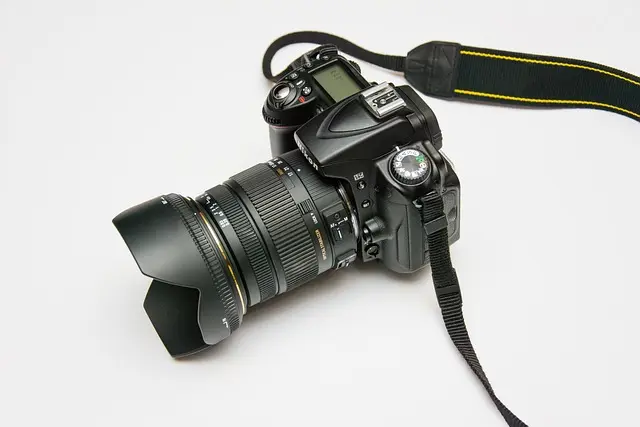
Knowing your camera inside and out is crucial. Whether you're using a DSLR, mirrorless, or even a smartphone, understanding your equipment allows you to maximize its potential. Familiarize yourself with settings like ISO, aperture, and shutter speed. For instance, DLSR cameras often have customizable settings that can dramatically affect your images. Sharpness, exposure, and overall quality will improve once you master these settings.
Additionally, invest time in learning about various lenses. Different lenses change the way you capture images; for example, wide-angle lenses are ideal for landscapes, while macro lenses excel in close-up shots. Don’t hesitate to read manuals or watch tutorials specific to your model to gain further insights.
2. Master Composition Techniques
The rule of thirds is one of the most fundamental principles in photography. Imagine your frame is divided into three equal parts both vertically and horizontally - this helps in placing points of interest. For instance, when photographing a landscape, try to align the horizon along one of the horizontal lines while placing a significant object at one of the intersections. This strategy naturally leads the viewer’s eye into the photograph.
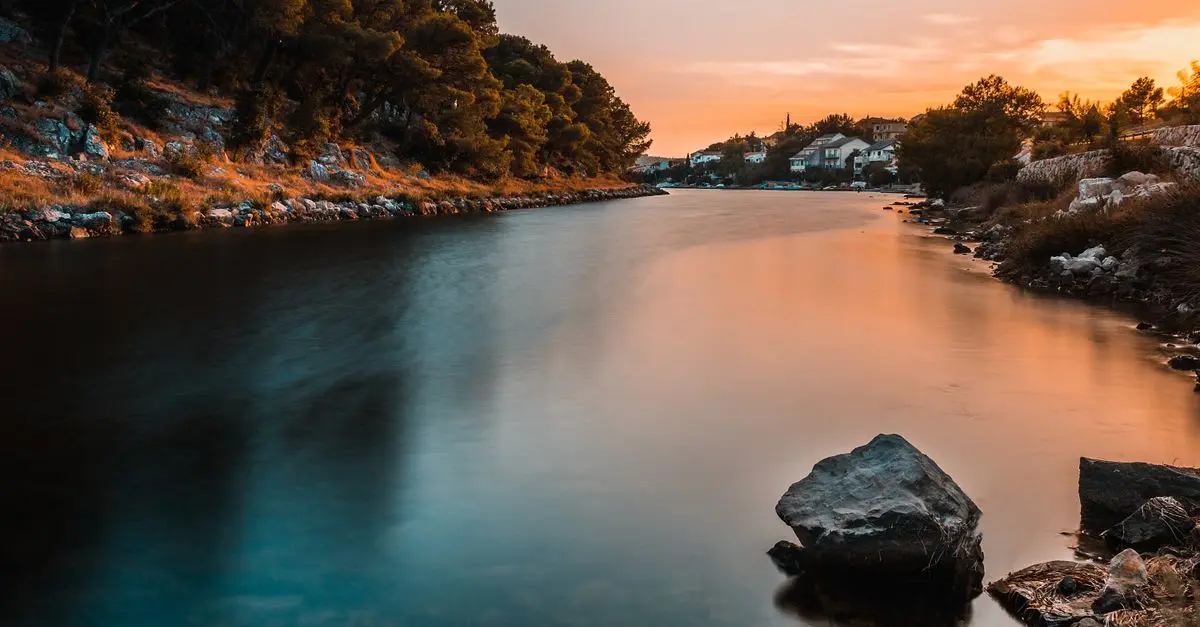
Experiment with different compositions as well, such as leading lines, framing, and symmetry. The golden hour, just after sunrise and before sunset, provides soft, diffused light that enhances colors and depths in your composition. Always evaluate your compositions, and don't be afraid to get creative!


6inch USB LED Video Light Dimmable Ring Lamp for Photography Selfie Live Studio
Darty FR
3. Learn the Basics of Lighting
Lighting is paramount in setting the mood of your photos. Natural light, artificial light, and even tools like reflectors can dramatically change the final image. For instance, low-light situations may require the use of a tripod or a high ISO setting to prevent blurriness. Similarly, harsh sunlight can cast unwanted shadows, so plan your shoots for overcast days or indoors.
Moreover, understanding how to use flash helps when natural light isn't enough. Knowing when to bounce the light off surfaces or use diffusers can help control harsh shadows and create a more harmonious look. Remember, lighting can make or break your photo, so experiment with different conditions.
4. Post-Processing Matters
Editing software can enhance your images significantly. Programs like Adobe Lightroom or Photoshop offer powerful tools for adjusting exposure, color balance, and sharpness. Spend time learning how to edit photos effectively; even slight adjustments can profoundly affect the final outcome.
Consider adjusting your images in layers, allowing more control over individual aspects. This way, if you make a mistake, you can revert to the original without starting again. Additionally, many online courses focus on post-processing, which can provide invaluable skills to elevate your photography.
5. Develop Your Unique Style
While learning the basics is crucial, developing a unique photographic style is what sets you apart. Draw inspiration from various photographers, but aim to create what feels authentic to you. Explore different genres such as portrait, landscape, or street photography, and figure out which resonates with you the most.
In cultivating this voice, it’s helpful to create a portfolio that showcases your best work. Over time, you'll find your art reflecting your tastes and perspective, which is vital in standing out in the photography community. Don’t rush the journey — your style will evolve naturally with practice and experience.
6. Practice, Practice, Practice
The only way to truly master photography is through consistent practice. Try new techniques, experiment with different subjects, and don't hesitate to fail. Every great photographer began as a beginner, learning through trial and error. Set personal projects or challenges to keep yourself motivated.
Exploring local areas, attending events, or joining photography clubs can also provide inspiration while expanding your network. Engaging with others fosters learning and growth, as you can share techniques and feedback, further honing your skills.
7. Use Online Resources
Utilizing online resources such as forums, courses, and social media can provide community support and important learning opportunities. Websites like Flickr, 500px, or Instagram allow sharing your work and seeking critique from fellow photographers. YouTube is another excellent resource, with countless tutorials at your disposal covering diverse topics from features of your camera model to nuanced photography styles.
Also, consider following industry blogs and websites for tips, trends, and challenges. Keeping abreast of new technologies and photography trends will inspire you and provide crucial information necessary for your growth.
8. Seek Feedback and Critique
Receiving constructive criticism can significantly enhance your learning process. Share your work with friends, family, or online photography groups to get diverse perspectives. Sometimes, an outside viewpoint can highlight techniques or details you might overlook in your images.
Additionally, try participating in local or online contests to gauge your skills against other photographers. This not only provides valuable feedback but also encourages you to push your boundaries as a photographer.
Conclusion
Mastering photography involves a blend of knowledge, technical skills, and personal expression. By understanding your equipment, practicing consistently, and seeking feedback, you'll undoubtedly improve. We invite you to explore our curated selection of photography products that can assist you.
Checklist before you start
- [ ] Understand your camera settings
- [ ] Experiment with different compositions
- [ ] Learn to use lighting effectively
- [ ] Invest time in post-processing
- [ ] Develop and evolve your unique style
- [ ] Practice regularly and explore new techniques
Glossary
| Term | Definition |
|---|---|
| Aperture | An opening in a lens that controls the amount of light that passes through to the sensor. |
| ISO | A measure of the camera sensor’s sensitivity to light, impacting exposure and noise levels. |
| Shutter Speed | The duration for which the camera sensor is exposed to light, affecting motion blur. |
> 🧠 Quick Quiz: What element is crucial in determining how bright a photo will be?
> - A) Frame Rate
> - B) Aperture
> - C) Memory Card
> Answer: B — Aperture controls the light entering the camera.
📺 Pour aller plus loin : how to improve photography skills sur YouTube
Recommended products
Selected by our experts
Gb-1 Utility Photography Belt Lens Pouches Case With 4 Metal D-rings
Darty FR
This utility photography belt with pouches is perfect for organizing and easily accessing your lens during shoots.
6inch USB LED Video Light Dimmable Ring Lamp for Photography Selfie Live Studio
Darty FR
A dimmable ring lamp provides excellent lighting for portraits or selfies, essential for achieving the right mood.
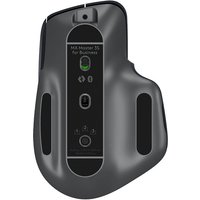
Logitech MX Master 3S for Business
Topbiz FR
This wireless mouse is perfect for photographers who edit on laptops, offering great comfort and precision.