Table of Contents (13 sections)
Becoming a proficient photographer requires a blend of knowledge, practice, and creativity. In this article, we provide crucial tips to help you develop your photography skills. Whether you're a beginner or someone looking to refine their craft, these actionable strategies will enhance your photographic journey.
1. Understand Your Equipment
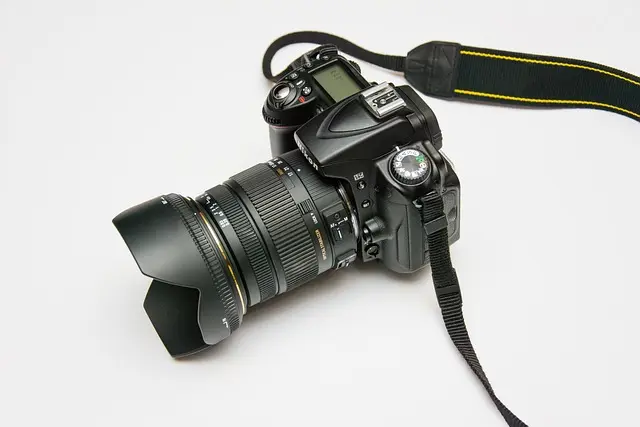
Before diving deep into photography, it's vital to fully comprehend your equipment. Familiarize yourself with your camera's functionalities, including modes, settings, and accessories. This understanding allows you to capture images effectively under various conditions. For instance, knowing how to adjust ISO settings can significantly affect your images in low-light situations. According to a survey by Photography Life, 73% of successful photographers attribute their skill development to mastering their camera gear. Spend time exploring your camera manual, attending workshops, or watching online tutorials.
2. Master the Basics of Composition
Composition is the backbone of a great photograph. Essential principles, such as the Rule of Thirds, leading lines, and framing, can drastically enhance your photos. The Rule of Thirds suggests dividing your frame into nine equal parts and placing your subject along those lines for a more balanced look. A study by Fstoppers indicates that well-composed images receive up to 40% more engagement on social media. Practice various compositional techniques while observing professional works; this will improve your aesthetic sense.
3. Experiment with Different Styles
Photography encompasses various styles—portrait, landscape, street, and more. Experimenting with different genres allows you to find what excites you most. For example, if you mainly shoot landscapes, try your hand at street photography or macro shots. This exploration cultivates versatility and sparks creativity. According to experts at Digital Photography School, using different styles can refresh your perspective and enhance your skills across the board. Set weekly challenges to focus on different themes, places, or subjects and document your progress.
4. Utilize Natural Lighting
Natural light can dramatically influence the mood and quality of your photographs. Understanding how to work with sunlight, shadows, and exposure is critical. Optimal shooting times, often referred to as the golden hour (shortly after sunrise or before sunset), provide a soft, diffused light that enhances images. According to data from American Photo, 63% of photographers consider lighting to be their primary element of photogenic success. Invest some time in outdoor practice, paying close attention to how the natural light interacts with your subjects throughout the day.
5. Post-Processing Techniques
Post-processing is an integral part of modern photography. Familiarity with software like Adobe Lightroom or Photoshop can transform an average shot into a stunning masterpiece. Learn the basics of color correction, cropping, and enhancing details to improve your images significantly. Research shows that 90% of professional photographers utilize post-processing, as noted by PetaPixel. Consider online courses to build your editing knowledge, and remember to maintain a balance—editing should enhance your shot rather than completely alter it.
6. Seek Critique and Feedback
Constructive criticism is invaluable in any creative field. Sharing your work with peers or mentors can provide insights and perspectives you might overlook. Groups or forums on platforms such as Flickr or Reddit can offer a supportive space for receiving feedback. According to a report from Petapixel, photographers who actively seek out critique improve their skills up to 30% faster. Make it a habit to share your work routinely and accept suggestions with an open mind.
7. Build a Strong Portfolio
A solid portfolio showcases your best work and reflects your style and proficiency as a photographer. Gather your best photographs in a format that highlights your versatility across various genres. Portfolio reviews are essential; they can reveal strengths and areas for improvement. According to 500px, a well-curated portfolio increases your chances of securing clients or gaining followers by up to 50%. Utilize online platforms to create and share your portfolio with industry professionals and potential clients.
8. Join Photography Communities
Participating in photography communities can provide encouragement, resources, and networking opportunities. Online forums, local clubs, or social media groups allow you to engage with other photographers—sharing tips, experiences, and challenges. Engaging in discussions about techniques or gear provides diverse learning experiences. As noted by The Digital Photography School, being part of a community can increase your motivation and commitment towards improving your photography skills. Seek out local photography meetups to foster connections and creativity.
9. Take on Personal Projects
Personal projects are a fantastic way to challenge yourself and push your creative boundaries. Setting specific themes or constraints can help you focus on different aspects of photography that you wish to improve. For example, if you want to improve your portrait skills, create a project based on capturing the essence of various emotions. According to a survey by CreativeLive, 65% of photographers find personal projects boost their interest in their craft. Aim to conclude the project with a public showcase or a curated collection of your work.
10. Keep Learning and Stay Inspired
Photography is ever-evolving; thus, continually learning is crucial. Stay updated with new techniques, trends, and advancements by reading books, taking online courses, or attending workshops. Engaging with content by well-respected photographers on social media platforms can also keep your inspiration alive. According to The New York Times, those who engage in lifelong learning experience a 50% higher growth trajectory in their photography careers. Set aside time weekly to read articles, watch tutorials, and immerse yourself in inspiring work from both past and present photographers.
Checklist before you begin your journey:
- [ ] Understand your camera equipment.
- [ ] Learn the basics of composition.
- [ ] Experiment with different photography styles.
- [ ] Take advantage of natural lighting.
- [ ] Develop post-processing skills.
- [ ] Seek constructive feedback.
- [ ] Create a strong portfolio.
- [ ] Engage with photography communities.
- [ ] Undertake personal projects.
- [ ] Commit to lifelong learning.
Glossary
| Term | Definition |
|---|---|
| Aperture | The opening in a lens that controls the amount of light that reaches the camera's sensor. |
| ISO | A measure of the camera sensor's sensitivity to light. A higher ISO is useful in low-light conditions but may introduce noise. |
| Shutter Speed | The length of time a camera's shutter is open to expose light to the sensor. Faster speeds freeze motion, while slower speeds create motion blur. |
> 📺 For further exploration: Wordless Photography—The Art of Visual Storytelling, an insightful discussion of imagery without text. Search on YouTube: "visual storytelling in photography."
Your journey into photography enhancement begins now. Implement these tips, and watch your skills skyrocket!
📺 Pour aller plus loin : visual storytelling in photography sur YouTube
Recommended products
Selected by our experts

Gb-1 Utility Photography Belt Lens Pouches Case With 4 Metal D-rings
Darty FR
This product is excellent for organizing your photography accessories, which can enhance your efficiency during shoots.
Sponsored by Awin Bruno

6inch USB LED Video Light Dimmable Ring Lamp for Photography Selfie Live Studio
Darty FR
Adequate lighting is crucial for capturing stunning images, making this dimmable ring lamp valuable for your photography setups.
Sponsored by Awin Bruno