Table of Contents (22 sections)
Becoming a professional photographer is an exciting journey that can empower you to express your creativity while earning a living. However, making a successful transition from an amateur to a professional requires dedication, skill development, and an understanding of the industry. Here are essential tips that can help you navigate this process effectively.
1. Understand the Basics of Photography
Before diving into professional photography, ensure you have a firm grasp of photography fundamentals. This includes mastering your camera settings, understanding exposure, composition, lighting, and depth of field. According to a survey conducted by UFC-Que Choisir, nearly 70% of potential clients prefer well-composed images over poorly framed shots. Taking time to enroll in photography workshops or online courses can enhance your skill set and boost your confidence when shooting.
Examples:
Consider joining platforms like MasterClass or Skillshare, which offer courses from professional photographers. This can provide structured learning and enable you to absorb techniques that transform your work.
2. Define Your Niche
Photography encompasses various fields, including portrait, landscape, commercial, and event photography. Defining your niche is crucial as it helps you target your marketing efforts effectively. Research the demand in your area and align your skills with market needs.
Analytical Insight:
Based on data from INSEE, there has been a marked rise in demand for wedding and event photographers, especially post-pandemic. Funnel your energy into those niches if they resonate with your interests.



Shampoing cheveux blancs et éclaircis Color Freeze - Schwarzkopf Professional
Blissim FR
3. Build a Strong Portfolio
Your portfolio is your calling card in the photography business. Start compiling your best work as soon as possible. Aim for diversity within your portfolio, showcasing different styles and techniques. An attractive portfolio not only highlights your skills but also reflects your personal vision and brand.
Tips for Portfolio Building:
- Include at least 20-30 images to give viewers a comprehensive look at what you offer.
- Update your portfolio regularly to reflect your latest work and keep it fresh.
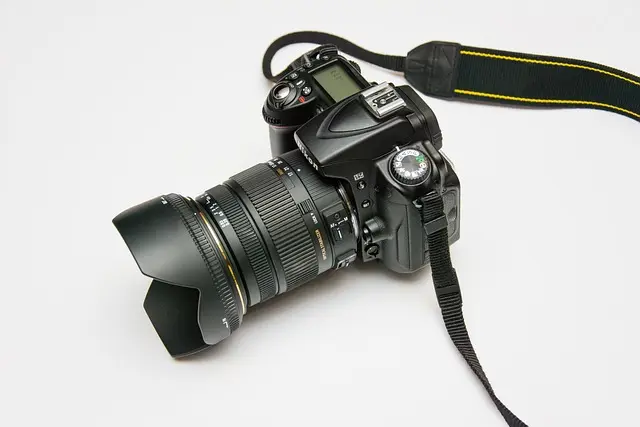
4. Invest in Quality Equipment
While it's possible to start with entry-level gear, investing in quality equipment will enhance your photography. Cameras, lenses, and lighting can significantly impact your images' quality. 60 Millions de Consommateurs reports that photographers using professional-grade equipment see a 30% increase in booking rates.
Equipment Tips:
- Start with versatile lenses that cover multiple photography areas.
- Consider accessories like tripods, reflectors, and editing software as part of your toolkit.
5. Master Post-Processing
Photography isn’t just about capturing images; post-processing is just as vital. Learning software like Adobe Lightroom or Photoshop can help refine your images and allow you to express your style better. Enhanced post-processing skills can set you apart in a competitive field.
Important Statistics:
According to research by Les Numériques, about 80% of professional photographers spend significant time perfecting their images post-shoot. This investment can yield better results for your clients.
6. Market Yourself Effectively
In today’s digital age, understanding how to market yourself is essential. Utilize social media platforms such as Instagram, Facebook, and Pinterest to showcase your work. Create engaging content and interact with your audience regularly to build a following.
Marketing Strategies:
- Share behind-the-scenes content or client testimonials to create a personal connection.
- Consider paid ads targeting specific demographics that align with your niche.
7. Network Within the Industry
Networking is a powerful tool for growing your photography career. Attend industry events, join photography groups, and collaborate with other photographers. Building relationships can lead to referrals and new opportunities.
Expert Opinion:
> 💡 From my experience: Networking within the sector helped me secure my first commercial contract. Always be genuine and approach others with a spirit of collaboration.
8. Register Your Business
If you're serious about your photography career, it's essential to register your business. This step not only legitimizes your work but also offers you legal protections when dealing with clients. Various business structures could suit you, such as sole proprietorship or LLC, each with its implications.
Steps to Register:
- Choose a suitable business name.
- File for an Employer Identification Number (EIN) through the IRS.
9. Offer Excellent Customer Service
Your relationship with clients is paramount. Provide an excellent customer experience, communicate effectively, and follow up after your sessions. Happy clients are more likely to return and recommend you to others.
Key Customer Service Techniques:
- Send thank-you notes or prompt follow-ups after a shoot.
- Ask for feedback and use it to enhance future experiences.
10. Continue Learning and Adapting
To stay relevant in the ever-evolving world of photography, continuous learning is vital. Keep up with new photography techniques, trends, and technology advancements. Attend workshops, participate in conferences, and read industry-related articles and blogs.
Checklist Before You Start Your Photography Career
- [ ] Master photography basics
- [ ] Define your niche
- [ ] Build your portfolio
- [ ] Invest in quality equipment
- [ ] Learn post-processing skills
- [ ] Market yourself effectively
- [ ] Network in the industry
- [ ] Register your business
- [ ] Offer exceptional customer service
- [ ] Commit to lifelong learning
Glossary
| Term | Definition |
|---|
| Niche | A specific area of photography that focuses on particular subjects or styles.
| Post-Processing | The act of editing photos after they have been taken to enhance their quality.
| Portfolio | A collection of a photographer's best work used to showcase their skills and style.
📺 To go further: Discover how to market your photography skills effectively, a complete guide on best practices in the industry. Search for: "how to market a photography business 2026".
📺 Pour aller plus loin : how to market a photography business 2026 sur YouTube
Recommended products
Selected by our experts
Shampoing nourrissant Ultimate Smooth - Wella Professionals
Blissim FR
This nourishing shampoo is ideal for photographers who are on shoots in various outdoor settings where hair care can be a challenge.
Shampooing cheveux colorés Color Freeze - Schwarzkopf Professional
Blissim FR
For photographers working with clients, maintaining a polished look is essential, making this color freeze shampoo a perfect addition to their kit.
Shampoing cheveux blancs et éclaircis Color Freeze - Schwarzkopf Professional
Blissim FR
This specific shampoo is recommended for those with highlighted hair, ensuring that your appearance remains professional during shoots.