Table of Contents (21 sections)
In the ever-evolving world of photography, having a clear photography vision is essential for any aspiring photographer. This vision guides your creative choices, influences your style, and helps you communicate effectively through your images. Understanding how to cultivate this vision can be the difference between capturing mere images and creating impactful artwork that resonates with your audience.
1. Understanding Your Photography Vision
What is Photography Vision?
Your photography vision is essentially your unique perspective on the world, translated through your lens. It encompasses your creative style, the subjects you choose to capture, and the emotions you aim to evoke in your audience. Developing your photography vision starts with self-reflection and understanding the themes that resonate with you. For instance, you might be drawn to urban landscapes, emotional portraiture, or the delicate beauty of nature. Establishing these preferences can help you craft a focused body of work.
Why is it Important?
A defined photography vision not only sharpens your focus but also helps you stand out in the crowded photography field. According to recent data, photographers with a strong personal brand and vision are 80% more likely to attract a dedicated following than those who do not. By understanding your vision, you can create a cohesive portfolio that speaks to your audience and potential clients.
2. Steps to Define Your Photography Vision
Step 1: Self-Reflection
Begin by evaluating what inspires you. Write down your favorite photographers, styles, and themes. Consider what makes you feel excited to shoot. This exercise is crucial as it provides insight into your preferences, which can guide your future projects.
Step 2: Experimentation
Once you’ve reflected on your inspirations and preferences, the next step is to experiment. Take an array of photographs across different genres—landscapes, portraits, street photography, etc. Assess which styles resonate most with you. This exploration will help sharpen your creative focus and could lead to surprising discoveries about your style.
Step 3: Create a Mood Board
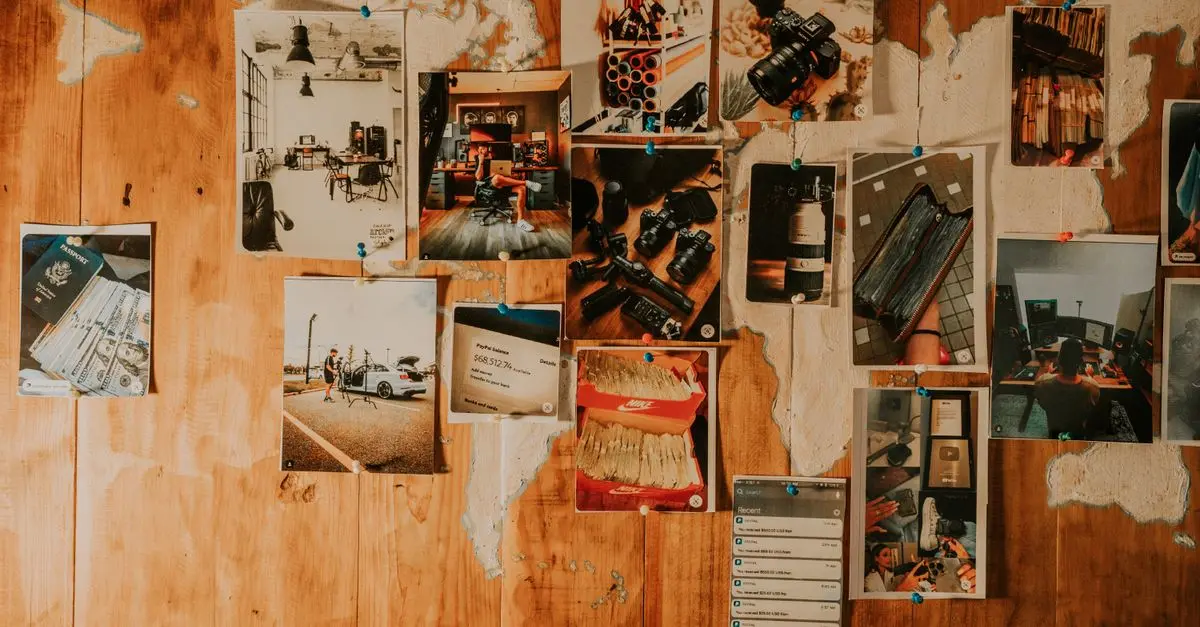
A mood board is a fantastic tool for visualizing your photography vision. Collect images, color palettes, and textures that align with your style. Use platforms such as Pinterest or Adobe Spark to compile this board. This visual representation serves as inspiration and can guide your shoots, ensuring your images remain consistent with your defined vision.
Step 4: Develop a Portfolio
Curate a portfolio that highlights your best work aligned with your vision. A focused portfolio showcases your unique style and helps potential clients and followers understand what you offer. Strive for coherence; choose your best images that not only represent your vision but also reflect the quality of your work.
Step 5: Seek Feedback
Share your portfolio with trusted peers or mentors in the photography community. Constructive feedback can provide insights into your work and help you refine your vision further. Remember to remain open to criticism—it can provide valuable lessons that help broaden your perspective.


6inch USB LED Video Light Dimmable Ring Lamp for Photography Selfie Live Studio
Darty FR

📺 For Further Exploration:
[Watch this video for insights on defining your photography vision]
Search on YouTube: "defining photography vision 2026".
3. Common Pitfalls to Avoid
While exploring your photography vision, be wary of these common pitfalls:
- Imitating Others: While it’s natural to be influenced, avoiding imitation is crucial. Your unique voice should shine through your work.
- Inconsistent Style: A lack of a cohesive style can confuse viewers. Stay focused on your vision to maintain clarity.
- Ignoring Personal Growth: Your vision will evolve over time—don’t resist change. Embrace it as part of your artistic journey.
4. Analyzing Successful Photography Visions
Comparing Different Photography Styles
Understanding the strengths and weaknesses of various photography styles can enhance your comprehension of your own vision. Here’s a comparative analysis:
| Style | Description | Strengths | Weaknesses |
|---|---|---|---|
| Portrait Photography | Focuses on capturing the essence of individuals or groups | Connects emotionally with viewers | Can be repetitive |
| Landscape Photography | Captures natural scenery | Evokes feelings of tranquility | Limited by location accessibility |
| Street Photography | Documenting everyday life | Captures raw, unfiltered moments | Requires quick reflexes and often uncertain results |
| Conceptual Photography | Conveys ideas or messages through imagery | Stimulates thought and discussion | May not appeal to everyone |
Checklist for Developing Your Photography Vision
- [ ] Reflect on personal inspirations
- [ ] Experiment with various photography styles
- [ ] Create a comprehensive mood board
- [ ] Curate a focused portfolio
- [ ] Seek feedback from peers and mentors
- [ ] Regularly reevaluate your vision as you grow
Glossary
| Term | Definition |
|---|---|
| Photography Vision | Your unique perspective expressed through photographic imagery. |
| Mood Board | A collection of visuals that represent your style and inspirations. |
| Portfolio | A curated collection of your best work showcasing your photography vision. |
Conclusion
Developing your photography vision is an ongoing journey that involves exploration, self-discovery, and experimentation. By following these tips and steps, you can establish a strong foundation that not only enhances your skills but also elevates your overall artistry. Remember to stay curious and flexible as you evolve!
Recommended Products
- Gb-1 Utility Photography Belt: Ideal for keeping your lenses organized while on a shoot.
- USB LED Video Light: Perfect for enhancing your lighting setup, especially in low light conditions.
- ThinkVision LED Monitors: High-quality displays to edit and showcase your stunning photos.
📺 Pour aller plus loin : defining photography vision 2026 sur YouTube
Recommended products
Selected by our experts
Gb-1 Utility Photography Belt Lens Pouches Case With 4 Metal D-rings
Darty FR
This utility belt helps keep your photography gear organized and readily accessible during shoots.
6inch USB LED Video Light Dimmable Ring Lamp for Photography Selfie Live Studio
Darty FR
This dimmable LED light is a great addition for enhancing your setups in various lighting environments.
Lenovo ThinkVision T22I-30 21.5" LED Full HD 6 ms Noir
Topbiz FR
High-quality monitors are essential for accurately editing your stunning photographs and showcasing your work.