Table of Contents (13 sections)
Photography is an art form that allows us to capture moments in time and express our creativity. For beginners, starting photography can feel overwhelming, but with the right guidance and tools, you can embark on a fulfilling journey. This article presents essential tips for those looking to start photography, helping to enhance your skills and ignite your passion for this art form.
1. Understand Your Camera
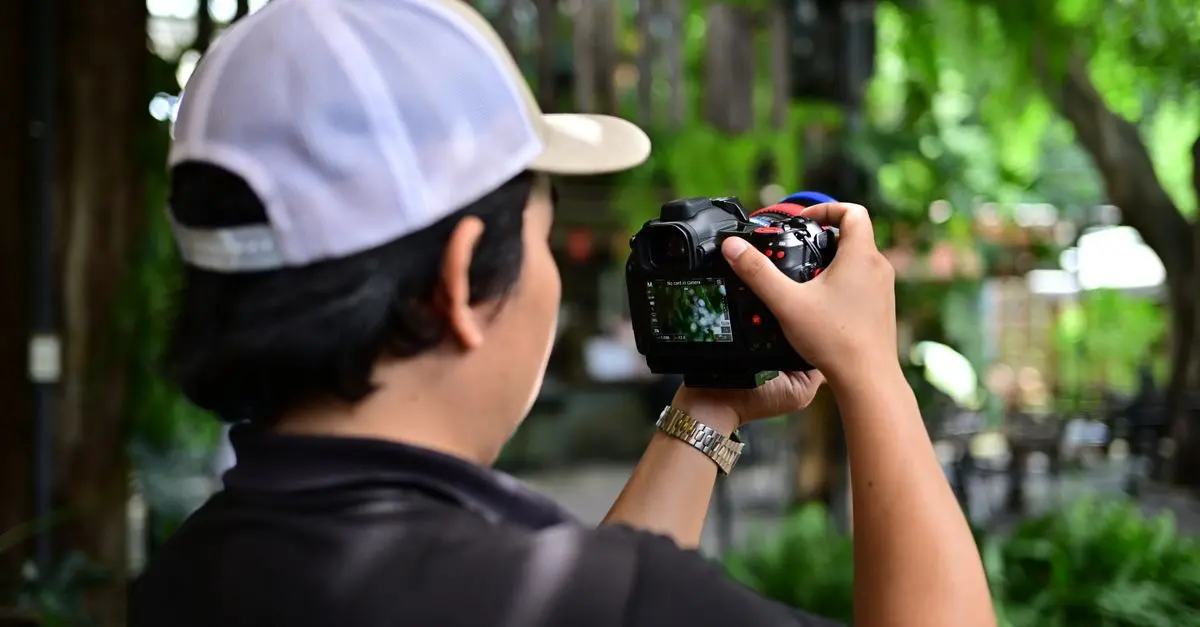
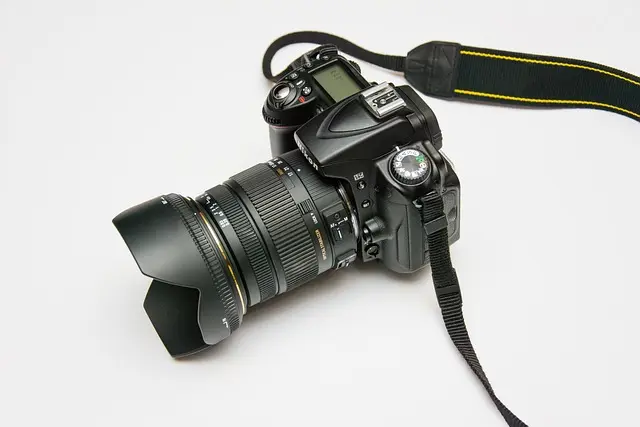
Before you start photography, get familiar with the camera you are using. Whether it's a smartphone, a DSLR, or a mirrorless camera, understanding its key features is crucial. For instance, learn about the different modes available, such as manual and automatic settings. This knowledge enables you to make thoughtful decisions about your shots. According to a survey by Outdoors Magic, 68% of beginners struggle to utilize their camera effectively. Therefore, take the time to read the manual and experiment with various settings to see their effects.
2. Learn the Basics of Composition
Composition is fundamental in photography. The rule of thirds is a classic technique where you divide your frame into three equal parts, both horizontally and vertically, and place your subject at the intersections. This creates a more dynamic and appealing image. Additionally, consider leading lines, framing, and symmetry to enhance your compositions. A study by Purdue University found that well-composed photographs garner significantly more attention online compared to poorly composed ones. Practice these techniques to improve your photography instantly.


Gb-1 Utility Photography Belt Lens Pouches Case With 4 Metal D-rings
Darty FR
Sponsored by Awin Bruno

6inch USB LED Video Light Dimmable Ring Lamp for Photography Selfie Live Studio
Darty FR
Sponsored by Awin Bruno
3. Master Lighting Conditions
Lighting can make or break a photograph. The best times to shoot are during the golden hours—shortly after sunrise and before sunset—when the light is soft and warm. However, understanding how to work with different lighting conditions, such as the midday sun or low light, will also enhance your skills. Natural light can create stunning effects, but artificial lights, like flash and softboxes, can give you more control over your images. Experiment with shadows and highlights to develop your style.
4. Experiment with Different Settings
Once you have grasped the basic settings, it's essential to experiment. Change the aperture to control depth of field, adjust shutter speed to capture motion, and manipulate ISO to adapt to varying light conditions. According to Digital Photography School, varying these settings can lead to a better understanding of how they affect your images. Challenge yourself to shoot in different modes and environments to see what works best for your style.
5. Analyze Your Work and Learn from Mistakes
Reviewing your photos critically is an effective way to improve. Instead of just noting what you like, consider what you could do better. Share your pictures with others for constructive feedback, and don't shy away from critique. National Geographic states that top photographers constantly evaluate their own work to refine their craft. Keeping a journal of your photography experiences can also offer insights into your progress.
6. Invest in Basic Equipment
While you can start photography with just a smartphone, investing in some basic photography equipment can give you more options. A sturdy tripod can help with stability, especially in low-light conditions. A good camera bag can safeguard your tools while on the move. We have selected several products suitable for beginners below. Remember, your equipment doesn’t make you a good photographer, but it can enhance your capabilities.
7. Join Photography Communities
Connecting with others who are passionate about photography can provide motivation and inspiration. Consider joining local clubs, online forums, or social media groups dedicated to photography. Sharing experiences, participating in challenges, and discussing technical aspects can significantly benefit your learning process. As noted by a study from The Open University, engaging with communities can accelerate learning because shared knowledge and experiences are invaluable.
8. Practice, Practice, Practice
Lastly, the most critical tip is to practice regularly. Make it a point to shoot something every day or set specific challenges each week. For instance, focus on capturing a particular theme, or experiment with a specific technique. According to a study by the University of California**, consistent practice leads to noticeable improvements in skill levels over time. Don’t be afraid to step outside your comfort zone—take photos of unfamiliar subjects or try new locations to expand your skill set.
📺 Resource Video
For additional tips and guidance, check out [Beginner’s Guide to Photography], a comprehensive tutorial on YouTube. Search for the term fundamental photography techniques for beginners for great content.
Conclusion
Embarking on your photography journey can be exciting and fulfilling. Equip yourself with the knowledge and tools shared in this article, and you’ll be well on your way to capturing stunning images. Always remember to continuously learn and refine your skills. Happy shooting!
Checklist before you start photography
- [ ] Familiarize yourself with your camera's settings
- [ ] Practice composition techniques
- [ ] Understand lighting conditions
- [ ] Experiment with aperture, shutter speed, and ISO
- [ ] Analyze and critique your work
- [ ] Invest in basic photography equipment
- [ ] Connect with other photography enthusiasts
- [ ] Regularly practice photography techniques
Glossary
| Term | Definition |
|---|---|
| Aperture | The opening in a lens that controls how much light enters, affecting exposure and depth of field. |
| ISO | A measure of your camera's sensitivity to light, higher ISO allows you to shoot in lower light. |
| Shutter Speed | The amount of time the camera's shutter remains open, influencing motion capture and exposure. |
---
📺 Pour aller plus loin : fundamental photography techniques for beginners sur YouTube
Recommended products
Selected by our experts
Polaroid I-2 Starter Set
polaroid.com
The Polaroid I-2 Starter Set is perfect for beginners wanting to explore instant photography and develop their skills with an easy-to-use camera.
Gb-1 Utility Photography Belt Lens Pouches Case With 4 Metal D-rings
Darty FR
The Gb-1 Utility Photography Belt allows photographers to carry lenses and accessories conveniently, making it ideal for outdoor shoots.
Sponsored by Awin Bruno
6inch USB LED Video Light Dimmable Ring Lamp for Photography Selfie Live Studio
Darty FR
A USB LED Video Light Ring is essential for beginners looking to enhance their indoor photography conditions with controllable lighting.
Sponsored by Awin Bruno