Table of Contents (11 sections)
Wildlife photography is more than just a hobby; it's an opportunity to connect with nature and document its beauty. This guide will provide you with essential wildlife photography techniques that will elevate your skills, help you understand animal behavior, and capture stunning images that resonate with viewers. Whether you’re a novice or a seasoned photographer looking to enhance your abilities, understanding the nuances of wildlife photography is crucial.
1. Understanding Your Subject: Animal Behavior
Before you even pick up your camera, it’s essential to understand the animals you wish to photograph. Each species has its own behavior, habitat, and patterns. For instance, birds tend to be most active during dawn and dusk, while larger mammals may be sighted at different times throughout the day. Take the time to observe your subject from a distance. This not only helps you learn their movements but also trains you in patience, a critical aspect of wildlife photography. Particularly, wildlife photographers spend countless hours observing their subjects to phase in to the intricacies of their behavior.
💡 Expert Tip: Research animal behavior thoroughly — platforms like National Geographic or BBC Wildlife offer insights that can deepen your understanding.
2. Choosing the Right Gear
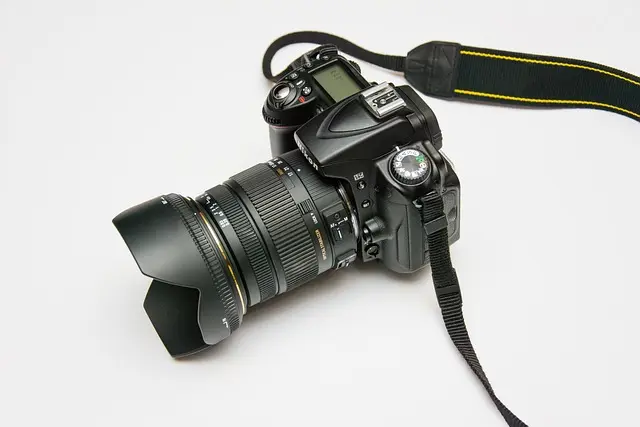
Having the proper gear is foundational in wildlife photography. Your camera should have a good autofocus system and a fast shutter speed. A telephoto lens is almost a necessity, allowing you to get close-up shots without disturbing the wildlife. Lenses with a focal length between 300mm to 600mm are highly recommended for wildlife. Additionally, consider other essentials like a sturdy tripod for stability, enough memory cards, and battery backups to last long shooting days.
Example Gear Choices
| Criteria | Entry-Level | Mid-Range | Professional | Verdict |
|---|---|---|---|---|
| Camera | DSLR 8-12 MP | DSLR 20-24 MP | DSLR 30+ MP | Upgrade as needed |
| Lens | 300mm f/5.6 | 200-500mm f/5.6 | 500mm f/4 | Longer = Better |
| Tripod | Basic Model | Mid-range model | Carbon fiber pro model | Invest in stability |
| Price Range (Approx) | $500 | $1500 | $6000+ | Price reflects quality |
3. Mastering Composition
Composition is crucial in wildlife photography and can make or break your shots. The rule of thirds is a great place to start. Imagine your frame divided into a grid of nine squares, placing the animal at the intersection of these lines creates a balanced image. Leading lines can also enhance your photographs, drawing the viewer's eye toward the subject. Additionally, shooting from different angles, such as a lower perspective or a bird's eye view, can yield unique and breathtaking results.
💡 Expert Tip: Always have a good understanding of the lighting conditions. Early mornings and late afternoons provide beautiful, soft light that can enhance your images significantly.
4. Patience and Timing
Wildlife photography demands a great deal of patience and timing. It’s not uncommon for photographers to wait hours or even days for the perfect shot. To succeed, maintain a flexible mindset: be ready, and be observant. Use high-speed continuous shooting to increase your chances of capturing a specific moment, such as an animal in mid-leap or a bird taking flight. Review your settings regularly to ensure you're prepared for sudden movements.
📷 For Further Learning: Look for wildlife photography workshops in your area to gain hands-on experience and tips from seasoned professionals.
5. Respecting Wildlife and Environment
While capturing breathtaking images is exciting, respecting wildlife and its habitat is non-negotiable. Maintain a safe distance; using your lens to zoom in instead of approaching animals. Avoid disrupting their natural behavior and never feed or try to touch them. Conservationist principles are essential in wildlife photography. Remember, photographing wildlife is often about telling a story and portraying life as it unfolds.
💡 Advice from Experts: Many organizations, such as The National Audubon Society, have guidelines that outline ethical wildlife photography practices. Always refer to these for a responsible approach.
📺 Video Resource
> 📺 To go further: Mastering Wildlife Photography Techniques, a complete analysis of essential strategies. Search on YouTube: wildlife photography techniques 2026.
Checklist Before Your Next Wildlife Shoot
- [ ] Research local wildlife and their habitats
- [ ] Prepare and pack gear the night before
- [ ] Review ethical photography practices
- [ ] Check weather and light conditions
- [ ] Plan for food and hydration during long shoots
Glossary
| Term | Definition |
|---|---|
| Telephoto Lens | A lens that can capture distant subjects, providing magnification. |
| Rule of Thirds | A composition principle dividing an image into thirds, both horizontally and vertically, placing the main subject along these lines. |
| Continuous Shooting | A camera setting that allows for rapid series shots, useful for action sequences. |
{