Table of Contents (11 sections)
The journey from being a hobbyist to a professional photographer is an exciting yet challenging one. This guide outlines the essential steps needed to make this transition successfully. With a mix of practical advice, proven strategies, and insights from industry experts, you'll discover the path from amateur to pro.
Step 1: Assess Your Skills and Set Goals
Before you embark on the journey of becoming a professional photographer, it's crucial to assess your current skill level. Understanding your strengths and weaknesses helps you create a roadmap for improvement. Start by reviewing your portfolio; what are your standout images? What styles do you enjoy most?
Next, set realistic goals. Define what being a professional photographer means to you: do you want to shoot weddings, portraits, or products? Setting specific, measurable goals can guide your learning and help maintain focus. For example, if you aim to become a wedding photographer, consider performing second-shooting gigs to gain experience while building a network.
Tip: Keep a list of photography skills you want to enhance, and dedicate time each week to practicing them.
Step 2: Invest in Your Gear
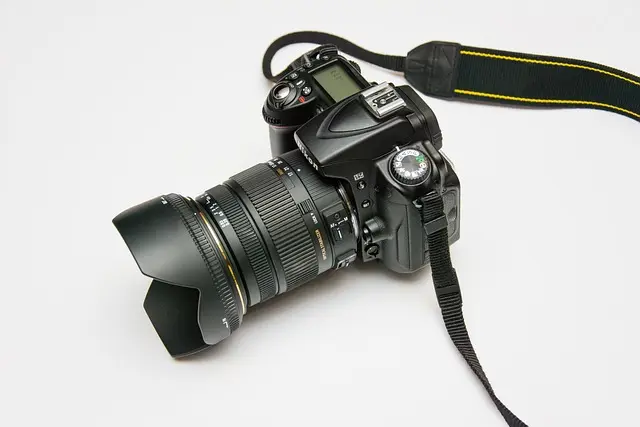
Professional photography requires the right tools for the job. As you make the shift to professional, consider investing in quality gear that suits your specialty. Research the best camera bodies, lenses, and accessories that other professionals in your niche use. Remember, the gear itself won't make you a great photographer, but having the right tools can make a significant difference.
Don’t overlook important accessories, such as tripods, lighting equipment, and editing software. Assess your current kit and make a plan for what upgrades might benefit your practice.
Checklist for Gear Upgrades:
- [ ] Evaluate current camera equipment
- [ ] Research lenses for your preferred type of photography
- [ ] Consider lighting equipment for studio or outdoor shoots

Metropolitan Vacuum Cleaner Co., Inc. Professional Car Vacuum and Dryer
sharperimage.com

Metropolitan Vacuum Cleaner Co., Inc. Professional Auto Detailing Vacuum
sharperimage.com
Professional Blender, Commercial Countertop Blenders, 68 oz Glass Jar Blender Combo, Stainless Steel for Frozen Drinks
bedbathandbeyond.com
Step 3: Build a Robust Portfolio
A compelling portfolio is essential for attracting clients as a professional photographer. Start by curating your best works that showcase your unique style and skills. Consider creating several mini-portfolios tailored to specific niches, such as portraiture, landscapes, or product photography.
Ensure that each image in your portfolio tells a story and highlights your abilities. Aim for versatility but also maintain a cohesive aesthetic. Showcase a variety of shots, from posed to candid and everything in between.
Pro Tip: Use online portfolio platforms to reach a wider audience and attract potential clients. Websites like Adobe Portfolio or Squarespace are great options.
Step 4: Network and Market Yourself
As the saying goes, "It's not just what you know; it’s who you know." Networking plays a crucial role in any profession, especially in photography. Attend local photography meetups, workshops, and conferences to connect with other photographers and potential clients.
Additionally, utilize social media to showcase your work. Instagram and Pinterest are popular platforms for photographers due to their visual-centric nature. Regularly post your work, engage with followers, and participate in photography-related conversations to increase your visibility. Collaborating with local businesses for mutual promotion can also be effective.
Numbers to Note: According to The Photographic Society, 85% of skilled photographers found their clients through networking.
Step 5: Gain Experience and Feedback
Experience is invaluable in photography. Take every opportunity to shoot, whether it's for friends, family, or community events. The more you shoot, the more you will learn about lighting, composition, and editing.
Seek constructive criticism from peers or mentors to improve your work. Look to professional photography forums or local photography groups to receive feedback on your images. Remember not to take criticism personally; it's an opportunity to grow.
Important Note: Always strive for improvement. Join classes or workshops and keep challenging yourself to capture different subjects and styles.
Step 6: Manage Your Business
Transitioning to professional photography involves more than just honing your craft; you need to learn effective business practices. Consider implementing organization systems for client management, contracts, and invoicing. Software like HoneyBook or Studio Ninja can streamline your workflow.
It's also crucial to understand pricing strategies. Research what local photographers charge within your specialty and calculate your costs to establish competitive rates. Don’t undervalue your work; your experience and expertise are worth a premium.
Final Pro Tip: Always have a signed contract before taking on a client to protect your business and clarify expectations.
Professional Blender, Commercial Countertop Blenders, 68 oz Glass Jar Blender Combo, Stainless Steel for Frozen Drinks
bedbathandbeyond.com
Professional Blender, Commercial Countertop Blenders, 68 oz Glass Jar Blender Combo, Stainless Steel for Frozen Drinks
bedbathandbeyond.com

VVOR Professional Blender with Shield, Commercial Countertop Blenders, 68 oz Blender Combo, Stainless Steel 9 Speed & 5 Functions Blender, for
shop.simon.com
📺 Resource Video
> For more insights on transitioning to professional photography, check out the video on YouTube: "How to Become a Professional Photographer". Search for "how to transition to professional photographer 2026".
Checklist before Transitioning
- [ ] Assess your skills and set specific goals
- [ ] Invest in the necessary gear
- [ ] Build and update your portfolio
- [ ] Network and market yourself effectively
- [ ] Gain experience and seek feedback
- [ ] Implement business management strategies
Glossary
| Term | Definition |
|---|---|
| Portfolio | A collection of a photographer’s best work used to showcase skills. |
| Networking | Building professional relationships to foster collaborations and referrals.
| Pricing Strategy | A plan for determining fees for photography services based on market analysis.
Quiz rapide
> 🧠 Quiz rapide : What is the key factor in transitioning from hobbyist to pro?
> - A) Buying the latest camera equipment
> - B) Networking and gaining experience
> - C) Shooting only in natural light
> Réponse : B — Networking and gaining experience are crucial for professional success.
📺 Pour aller plus loin : how to transition to professional photographer 2026 sur YouTube
Recommended products
Selected by our experts

VEVOR - Blender for Smoothies, 61 oz 1400W, Professional Blender with Powerful Motor, Multi-Functional Food Processing Blender - Dark Gray
bestbuy.com

Professional Dishwasher Door Panel Kit for Viking FDWU524 Dishwasher - Cast Black
bestbuy.com

Professional Dishwasher Door Panel Kit for Viking FDWU524 Dishwasher - Slate Blue
bestbuy.com

Professional Dishwasher Door Panel Kit for Viking FDWU524 Dishwasher - Damascus Gray
bestbuy.com

Professional Dishwasher Door Panel Kit for Viking FDWU524 Dishwasher - Stainless Steel
bestbuy.com