Table of Contents (11 sections)
Transitioning from a hobbyist to a professional photographer is an invigorating journey filled with creative expression, technical skills, and the potential for rewarding career opportunities. Photography isn’t just about having a good camera; it requires a combination of artistic vision, technical expertise, and a solid understanding of the business side. Whether you're interested in portraits, landscapes, or product photography, this guide provides a comprehensive roadmap to help you navigate your transition.
1. Understand the Photography Landscape
Before diving into the technical aspects of photography, it’s crucial to understand the broader landscape of the industry. What is professional photography? Professional photographers often specialize in areas such as portrait, wedding, commercial, or fine art photography, each requiring a different skill set and approach. Knowing the market demand in your area and the types of photography services that are sought after can help you tailor your skills. For example, according to U.S. Bureau of Labor Statistics projections from 2025, job opportunities for photographers are expected to increase by 17%, indicating a growing market. Familiarize yourself with successful photographers in your preferred niche, explore their portfolios, and understand their business models.
2. Invest in Quality Equipment
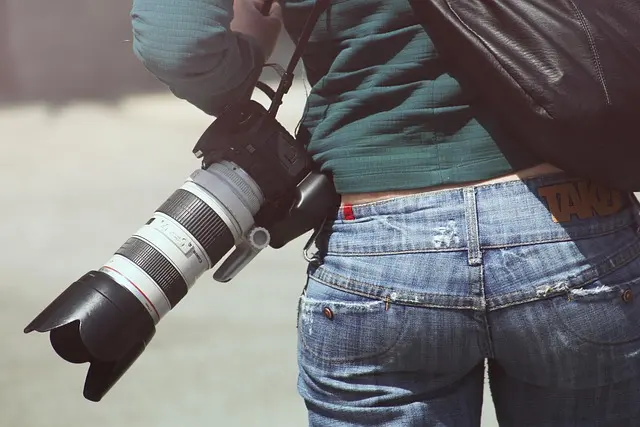
Transitioning to professional photography means you need reliable and effective equipment. As a hobbyist, you may have been using entry-level gear, but to meet professional standards, investing in quality equipment is essential. This typically includes a professional-grade camera, which should ideally have interchangeable lenses, a sturdy tripod, and good lighting equipment. Brands like Canon, Nikon, and Sony offer various models suitable for budding professionals. Research the options available to find equipment that fits your budget and needs. Additionally, focus on software such as Adobe Lightroom and Photoshop for editing and enhancing your images, as post-processing is a crucial part of professional photography.
3. Build Your Skills and Portfolio
Skill development is at the core of your transition. Start by mastering the fundamentals of photography, including composition, lighting, and exposure. Consider taking formal classes, whether online or in-person, to deepen your technical knowledge and practical skills. Once you feel confident, curate a portfolio that showcases your best work. Your portfolio is your visual resume, so include a range of images that reflect your style and specialties. Aim for a portfolio with a minimum of 20-30 high-quality images. Host your portfolio on platforms like Behance or create your own website using services like Squarespace. Always keep your portfolio updated with your latest work as you evolve in your skills.
4. Network and Market Yourself
In photography, who you know can be just as important as what you know. Networking is vital in building your career. Attend local meetups, photography clubs, and workshops to connect with other photographers and potential clients. Consider using social media platforms like Instagram and Facebook to showcase your work and engage with a broader audience. Create a professional page and regularly update it with engaging content. Additionally, consider collaborating with other creatives—models, makeup artists, and even other photographers—to broaden your reach and enhance your portfolio. Networking often leads to referrals, which are crucial for establishing a client base.
5. Build a Business Strategy
Once you’ve honed your skills and developed a portfolio, it’s time to think about the business side of photography. Developing a business strategy is essential for transitioning to a professional career. This includes determining your pricing strategy, drafting contracts, and setting up a client management system. Research competitors in your area to understand standard pricing and find your unique selling proposition. Formulating a solid business plan can streamline your operations as a self-employed photographer. You might also consider hiring an accountant or using software like QuickBooks to manage finances efficiently. Finally, establish an online presence that allows clients to easily view and book your services.
6. Gain Experience with Real Projects
Getting real-world experience is crucial to your growth. Accept any opportunities that come your way, whether it’s volunteering for events, shooting for friends, or even conducting paid assignments. Start small with family portraits or local events and gradually take on larger projects. This hands-on experience gives you practical knowledge and builds your credibility as a photographer. According to surveys, photographers who routinely participate in community events or local galleries increase their chances of client referrals. Moreover, consider joining platforms like Thumbtack or Guru to find freelance gigs that match your skill level.
7. Stay Updated and Keep Learning
The photography scene is constantly evolving, with new techniques, trends, and technology emerging continuously. To stay relevant, make it a habit to learn regularly. Follow industry leaders, read photography blogs, and join online forums to stay informed about the latest in photography. Attending workshops and conferences can enhance your skills, provide fresh perspectives, and connect you with fellow professionals. Continuously learning also allows you to adapt to shifts in client expectations and industry standards, ensuring you remain competitive in your niche.
📺 Resource Video
To further enrich your knowledge, consider checking out videos such as "Tips for Transitioning from Hobbyist to Professional Photographer,” which provides additional insights on navigating your journey. Search for it on YouTube with keywords: "transition from hobbyist to photographer".
Checklist before making the leap
- [ ] Research the photography market in your area.
- [ ] Invest in essential photography equipment.
- [ ] Improve and diversify your photographic skills.
- [ ] Build and update your professional portfolio.
- [ ] Network with other photographers and professionals in the field.
- [ ] Develop a business strategy and pricing model.
- [ ] Gain actionable experience through real projects.
Glossary
| Term | Definition |
|---|---|
| Exposure | The amount of light that reaches the camera sensor, critical for overall image quality. |
| Composition | The arrangement of visual elements within a photograph, influencing how the viewer perceives an image. |
| Post-Processing | The digital manipulation of images using software after the photo is taken, such as enhancing colors, contrast, and sharpness. |
> 💡 Expert Opinion: Many experienced photographers emphasize that while technical skills are essential, the ability to market oneself effectively can significantly impact a photographer's success and longevity in the industry.
📺 Pour aller plus loin : tips for transitioning from hobbyist to professional photographer sur YouTube