Table of Contents (11 sections)
Starting a photography career can be a fulfilling venture for anyone passionate about capturing the world through a lens. Photography combines artistic creativity with technical skill, and it caters to an ever-growing market of clients in various industries. In this comprehensive guide, we’ll explore essential steps to start your photography career successfully and build a sustainable business in this exciting field.
Step 1: Master the Basics of Photography
Before diving into a career as a photographer, it's crucial to master the fundamentals of photography. This includes understanding exposure, composition, lighting, and the various types of cameras and lenses available. Hobbyists often overlook these basics, but they are the foundation of any great photograph.
Consider enrolling in courses or workshops offered by accredited institutions or seasoned photographers. Learning the differences between DSLR and mirrorless cameras, the importance of aperture, shutter speed, and ISO will set you apart. Additionally, familiarize yourself with software tools for photo editing, like Adobe Lightroom or Photoshop.
💡 Expert Insight: It’s not enough just to know how to take photographs; understanding how to edit them enhances your work significantly.
Step 2: Build Your Portfolio
Once you're familiar with the technical aspects of photography, the next step is to build a strong portfolio. This is your chance to showcase your skills and style to potential clients. Begin by taking photos in various settings to demonstrate versatility – landscapes, portraits, events, or product photography. Your portfolio should reflect your personal artistic vision.
Aim to curate a selection of your best work, typically 15 to 20 images that you feel represent your abilities. Display them on a website or a dedicated social media account. Consistency is key; ensure that your editing style and subject matter complement each other. A well-organized portfolio helps establish trust with prospective clients, conveying your professionalism and focus.

Chess Evolution Alexander Beliavsky - Legendary Chess Careers - Part 2
houseofstaunton.com
Step 3: Define Your Niche
Identifying a specific niche within photography can greatly enhance your chances of success. Common niches include wedding photography, commercial photography, family portraits, and fashion photography. Choosing a niche allows you to target your marketing efforts more effectively and develop expertise in a specific area.
According to the Bureau of Labor Statistics, photographers focusing on niche markets often see greater demand for their services. Research trending niches in your area to identify potential gaps in the market. Attend local events or workshops to network with industry professionals and get firsthand insights about what niches are thriving.
Step 4: Create a Marketing Strategy
Developing a marketing strategy is vital for attracting clients and building your brand. Start by ensuring a strong online presence. Create a professional website showcasing your portfolio and contact information. Utilize social media platforms (such as Instagram and Facebook) for promotions, providing followers with glimpses of your work and behind-the-scenes content that invites engagement.
Additionally, consider leveraging SEO by using relevant keywords to make your website more discoverable. Offer special promotions to first-time clients. Participating in photography contests or exhibitions can further enhance your visibility. Marketing is not a one-time effort; continuously analyze and adjust your strategies based on performance outcomes.
Step 5: Invest in Professional Equipment
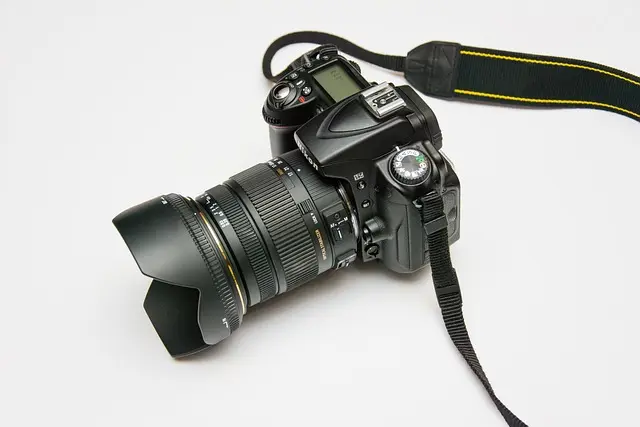
While starting out, many photographers feel tempted to buy the fanciest equipment available. However, it is more important to invest wisely in quality equipment that meets your specific needs. Consider starting with a reliable camera body and a couple of good-quality lenses suitable for your niche. You might also explore other accessories like tripods, external flashes, or editing software.
It's essential to align your equipment choices with your niche; for example, landscape photographers might need wide-angle lenses, while portrait photographers often prefer prime lenses for shallow depth of field. As you grow your skills and business, continue assessing your equipment needs to ensure you’re working efficiently and producing the best quality images possible.
Step 6: Network and Collaborate
Building a network is invaluable in the photography industry. Connect with other photographers, attend photography-related events, or join clubs to exchange knowledge and opportunities. Collaborating with other professionals can expose you to new techniques and clients, creating a win-win scenario.
Consider reaching out to potential mentors who can provide guidance as you navigate your new career. Online communities offer a wealth of resources; participating in forums can enhance your learning experience and keep you informed about industry trends. Networking often results in referrals, partnerships, or opportunities that you might not uncover through conventional marketing.
Checklist Before Launching Your Photography Career
- [ ] Master the basics of exposure, composition, and editing software
- [ ] Build a strong, curated portfolio showcasing your best work
- [ ] Define your niche and conduct market research
- [ ] Develop a marketing strategy and create an online presence
- [ ] Invest in quality photography equipment that fits your niche
- [ ] Network with other photographers and engage in collaborative opportunities
📺 Resource Video
> 📺 To go further: Check out a detailed analysis on building a successful photography career. Search on YouTube: "how to start a photography career 2026".
Glossary
| Term | Definition |
|---|---|
| Exposure | The amount of light that reaches the camera sensor, affecting image brightness. |
| Aperture | The opening in a lens through which light passes, significantly influencing depth of field. |
| ISO | The sensitivity of your camera’s sensor to light, impacting graininess and brightness of images. |
🚀 Get Started on Your Photography Career!
Launching a successful photography career requires dedication, creativity, and strategic thinking. The steps outlined above provide a roadmap to guide your journey. Don’t forget, the most critical factor is to keep practicing and refining your skills.
As you embark on this exciting career path, remember that we have selected several products tailored to meet your photography needs below.
Let your passion for photography shine, and start creating stunning visuals that can transform the way you see the world around you.
📺 Pour aller plus loin : Is Starting a Photography Business Worth It in 2026? sur YouTube
Recommended products
Selected by our experts
Chess Evolution Alexander Beliavsky - Legendary Chess Careers - Part 2
houseofstaunton.com
This book offers valuable insights into the careers of successful photographers, helping you understand the journey and tactics to succeed.