Table of Contents (14 sections)
Starting a photography career can be an exhilarating yet challenging journey. The world of photography is rich with opportunities, but it requires dedication, skill, and a keen business sense. In this comprehensive guide, we will detail the essential steps you need to follow to embark on a successful photography career.
Understand the Basics of Photography
To start your photography career, the fundamental step is to grasp the basics of photography. This includes understanding exposure, composition, and lighting. Exposure consists of aperture, shutter speed, and ISO, which control how much light enters the camera and affects your images. Composition involves the arrangement of visual elements within a photo to create a harmonious and engaging image. Common compositional techniques include the rule of thirds, leading lines, and framing.
When it comes to lighting, natural and artificial light can drastically change the mood of your photos. Consider taking online courses or enrolling in local workshops to gain a solid foundation. According to experts, investing time in learning these principles can significantly enhance your approach and improve the quality of your photos, making you stand out in a competitive field.

Chess Evolution Alexander Beliavsky - Legendary Chess Careers - Part 2
houseofstaunton.com
Invest in the Right Equipment
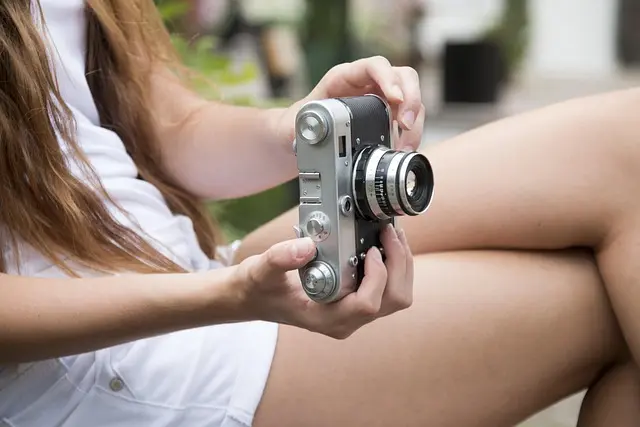
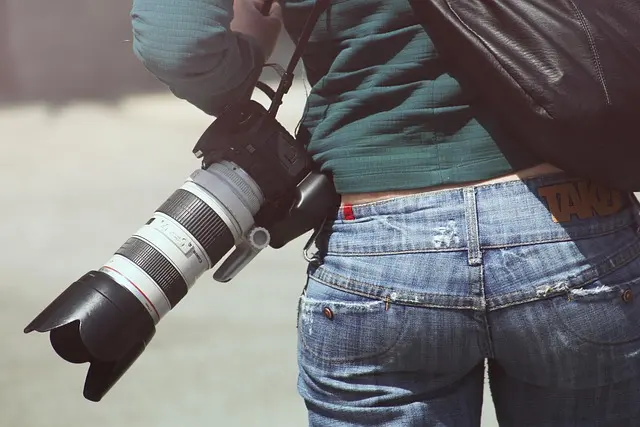
To effectively start your photography career, it’s critical to invest in the right equipment. As a beginner, you don’t need to acquire the most advanced gear immediately. A good camera, a versatile lens, and basic accessories can be sufficient. Depending on your photography style, you might need additional equipment such as tripods, external flashes, or lighting kits.
To make informed decisions, read reviews and compare different models. A popular approach is to start with an entry-level DSLR or a mirrorless camera, which can offer great quality without breaking the bank. According to recent surveys, many professional photographers recommend renting equipment before purchasing to ensure it suits your needs. Additionally, as you advance, you can upgrade your gear based on your specific requirements and preferences.
Build a Portfolio
An impressive portfolio is vital for showcasing your skills and attracting potential clients. Start by capturing a variety of subjects that reflect your interests and abilities. Aim for quality over quantity, selecting your best work that highlights different styles and techniques.
In today’s digital world, consider building a professional website. Online platforms allow you to present your portfolio effectively and attractively. It’s also beneficial to share your work on social media platforms like Instagram, which is a visual-centric network and a great way to reach broader audiences. Remember, your portfolio isn't just about displaying pictures; it tells your story as a photographer. Creating a cohesive narrative will engage potential clients and encourage them to hire you.
Network and Market Yourself
Networking is crucial in any career, and photography is no exception. Join local photography groups, attend workshops, or participate in online forums to connect with like-minded individuals. Networking can lead to collaborations, mentorship opportunities, and even job leads.
Additionally, effective marketing is essential to get your name out there. Utilize social media to share your work and engage with followers. Consider creating a blog where you share behind-the-scenes insights, photography tips, or your creative journey. This not only positions you as an expert but also helps build your online presence. Remember, word-of-mouth and referrals can be incredibly powerful, so aim to give your clients an outstanding experience that they will be excited to share.
Stay Updated and Keep Learning
The photography field continually evolves with new techniques, trends, and technologies. To stay relevant, make it a habit to keep learning. Follow photography blogs, subscribe to industry newsletters, and attend workshops. Engaging with other photographers, even if they're beyond your level, can provide inspiration and insights into different styles or techniques.
Consider showcasing your learning through your work. For instance, if you learn a new editing technique, use it in your upcoming projects and share your results online. This dynamic approach to personal growth can enhance your skill set and keep your creative juices flowing.
Consider Specialization
While being a generalist photographer can work in your favor at first, consider specializing in a niche once you have a grasp of various photography aspects. Specializations could include wedding photography, portrait photography, product photography, or travel photography, among others. Each niche caters to different audiences and markets.
Research trends in the photography industry and identify areas where there may be a demand for specialists. For instance, wedding photography might have a higher demand in busy seasons, while product photography might peak during holidays. Tailoring your services toward a specific audience can increase your visibility and success rates.
Checklist Before You Start
- [ ] Understand the basics of photography (exposure, composition, lighting)
- [ ] Invest in essential camera equipment and accessories
- [ ] Build an appealing portfolio showcasing your work
- [ ] Network with other photographers and potential clients
- [ ] Stay updated with current trends and techniques
- [ ] Consider specializing in a niche once established
Frequently Asked Questions
What equipment do I need to start a photography career?
For beginners, a DSLR or mirrorless camera, a versatile lens, and essential accessories such as a tripod and memory cards are recommended.
How can I improve my photography skills?
Practicing regularly, taking courses, and seeking feedback from peers can significantly enhance your skills over time.
How important is having a portfolio?
A portfolio is critical as it showcases your work to potential clients and helps differentiate you from other photographers.
Should I specialize in a specific type of photography?
While it's beneficial to understand various genres initially, specializing can help build a strong brand and attract specific clients.
Glossaire
| Terme | Définition |
|---|---|
| Composition | L'arrangement des éléments visuels dans une photo. |
| ISO | Sensibilité du capteur à la lumière dans une image. |
| Aperture | Ouverture de l'objectif, influençant la profondeur de champ. |
📺 Pour aller plus loin : How to Start a Photography Career, an in-depth analysis of starting your journey. Look for:
start your photography career 2026.
📺 Pour aller plus loin : start your photography career tips 2026 sur YouTube
Recommended products
Selected by our experts
Chess Evolution Alexander Beliavsky - Legendary Chess Careers - Part 2
houseofstaunton.com
This book provides insights into the careers of successful individuals, helping you understand the paths and strategies that can lead to success in photography.