Table of Contents (15 sections)
Stepping into the world of photography can be both exhilarating and daunting, especially when gearing up for your first photography shoot. This guide aims to equip you with essential steps and tips to help you prepare effectively and feel confident in capturing stunning images. Whether you are shooting portraits, landscapes, or events, having a structured approach will enhance your experience significantly.
1. Understand Your Camera Equipment
Before diving into your first shoot, it's imperative to familiarize yourself with your camera equipment. Understanding the controls—such as ISO, aperture, and shutter speed—will unlock your creative potential. Spend time practicing in various settings, perhaps by taking photos of everyday objects around your home. The more comfortable you become with adjusting settings on the fly, the more adept you’ll be in dynamic shooting environments. Consider starting with the manual mode; it may be challenging initially, but it will deepen your understanding.
Tips to Master Your Equipment
- Read the Manual: Make sure to read your camera's manual to understand function specifics and capabilities.
- Practice in Different Modes: Experiment with aperture priority, shutter priority, and manual modes to see how these affect your shots.
- Join Online Forums: Engage with fellow photographers online. Websites like DPReview offer immense resources, including tutorials and forums where beginners can share experiences.
2. Plan Your Shoot
A successful shoot starts with good planning. Decide the type of photography you want to focus on—whether it’s indoor portraits or outdoor landscapes. Research your location if shooting outside; websites like Google Maps can provide an overview, helping you scout out interesting angles and lighting conditions.
Considerations for Planning
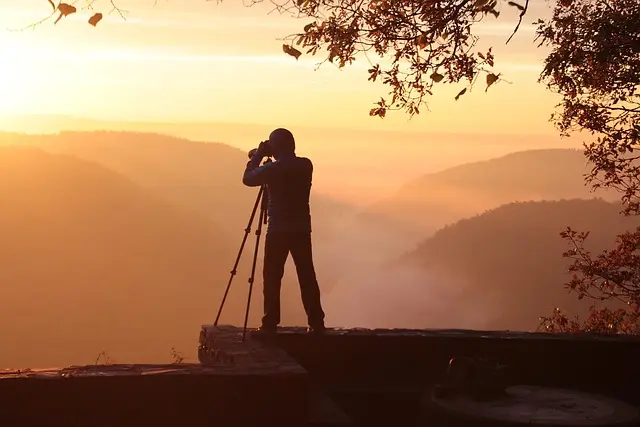
- Time of Day: Light changes throughout the day; sunrise and sunset offer golden hour lighting, which is perfect for photography.
- Scout Locations: Physically visiting your location beforehand can help visualize your shots and reduce surprises on the day of the shoot.
- Create a Shot List: Note down specific shots you want to capture, allowing you to stay organized and focused during your shoot.


myFirst Camera 10 - Digital Mini Camera for Kids Ages 3-12 (Blue) blue
shop.simon.com

3. Prepare Your Gear
Your camera's settings are crucial, but what about your gear? Here's a checklist to ensure you're prepared.
Essential Gear Checklist
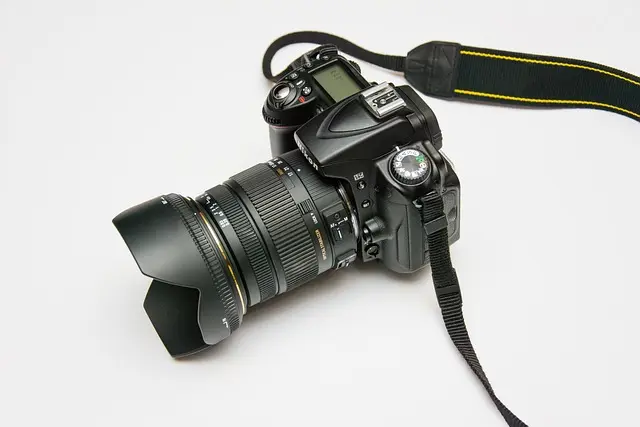
- Camera and Lenses: Ensure your camera is charged, and bring along extra lenses to suit various shooting conditions.
- Memory Cards: Bring extra memory cards—you wouldn’t want to run out of space! It's advisable to have at least two to three cards on hand.
- Tripod: For stability, particularly in low-light conditions or if you're taking long-exposure shots, a tripod is invaluable.
- Reflectors and Diffusers: These tools help manage light and shadow during your shoot, enhancing your photography quality.
4. Get Comfortable with Composition
Understanding composition will significantly elevate your photography. Familiarize yourself with fundamental concepts like the rule of thirds, leading lines, and framing.
Techniques to Enhance Composition
- Rule of Thirds: Imagine your frame is divided into nine equal sections. Your points of interest should be placed along these lines or at their intersections.
- Leading Lines: Utilize natural lines in your setting (roads, fences) to lead your viewer’s eye into the image.
- Try Different Angles: Don’t always shoot from eye level. Experiment with angles and perspectives for more unique images.
5. Engage with Your Subjects
If you’re shooting people or objects that have personalities, how you engage with them can greatly affect the results. Authentic interactions lead to impressive candid shots.
Tips for Engaging Subjects
- Establish Rapport: If you are shooting portraits, try to engage in conversation with your subjects. Make them feel comfortable to elicit genuine expressions.
- Directing Poses: Don’t hesitate to guide your subjects into poses or actions that reflect their personality or story.
- Be Observant: Watch for candid moments. Sometimes the best shots come when your subjects are least aware of the camera.
Conclusion
Preparing for your first photography shoot involves understanding your equipment, planning thoroughly, and honing your composition skills. Remember, the key is to enjoy the learning process and embrace the creative journey. You can apply these first photography shoot tips effectively to ensure a successful and rewarding experience behind the lens!

myFirst Headphones Airwaves - Open-Ear headphones for Kids (Blue) pink
shop.simon.com


myFirst Camera 10 - Digital Mini Camera for Kids Ages 3-12 (Blue) pink
shop.simon.com
🧠 Quiz rapide : Comment se préparer au mieux avant un shoot photo ?
- A) Connaître son matériel
- B) Oublier de planifier
- C) Ne pas interagir avec ses sujets
Réponse : A — Connaître son matériel est essentiel pour capturer des images de qualité.
Checklist avant votre première séance photo
- [ ] Familiarisez-vous avec votre équipement
- [ ] Planifiez votre journée de shooting
- [ ] Préparez votre matériel photo
- [ ] Étudiez les techniques de composition
- [ ] Engager les sujets avec confiance
Glossaire
| Terme | Définition |
|---|---|
| Aperture | Ouverture de l’objectif qui détermine la quantité de lumière qui entre dans l’appareil photo. |
| Shutter Speed | Vitesse d’obturation qui définit la durée pendant laquelle le capteur de l’appareil photo est exposé à la lumière. |
| ISO | Indicateur de la sensibilité du capteur à la lumière. Un ISO plus élevé permet de capturer des images en basse lumière mais peut introduire du bruit. |
---
📺 Pour aller plus loin : PHOTOGRAPHY BASICS in 10 MINUTES sur YouTube
Recommended products
Selected by our experts


Sentinel Threads Im A Good Mother First So What I Do Second Is Nobody's Business Tee S Heather Prism Peach
inspireuplift.com