Table of Contents (12 sections)
Understanding Photography Techniques
Photography techniques encompass various methods and practices used to capture stunning images effectively. Photography is an art that combines technical skills and creativity. Aspiring photographers must understand the fundamental aspects of shooting, such as exposure, composition, and light. According to Statista, the global photography market was valued at approximately $110 billion in 2025, reflecting the increasing number of enthusiasts. Mastering these techniques not only improves your photographic skills but also enhances your ability to convey stories through images, making your work more engaging and impactful.
Essential Equipment for Beginners
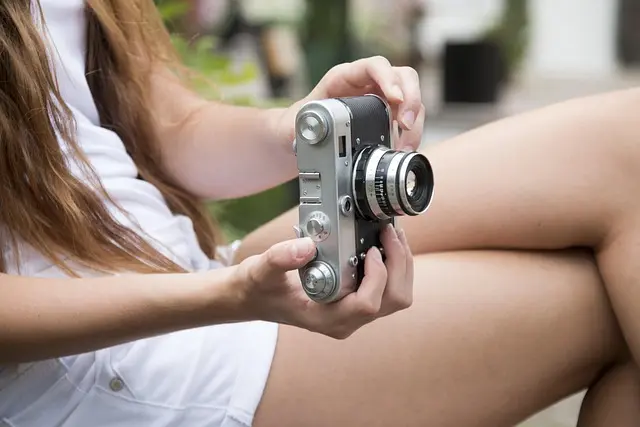
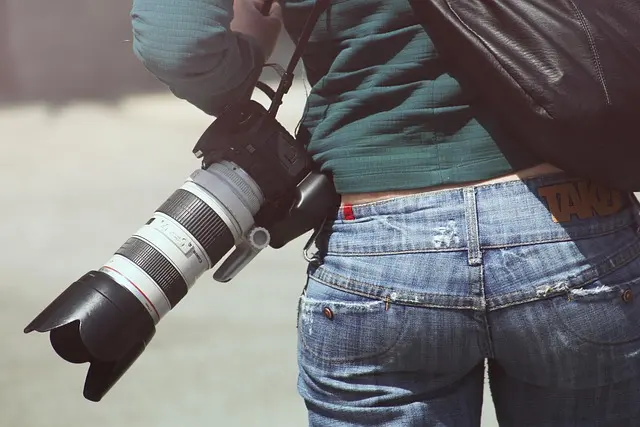
Before diving into specific techniques, it’s crucial to have the right equipment. For aspiring photographers, DSLRs and mirrorless cameras are excellent starting points. These cameras offer interchangeable lenses, manual controls, and superior image quality. A good lens can make a significant difference in your photography; consider a 50mm lens for portraits or a wide-angle lens for landscapes. Don't forget to invest in accessories such as tripods, memory cards, and spare batteries. A basic understanding of how these tools work will ensure that you are prepared for various photography scenarios. Remember, it's not just about having the latest gadget, but knowing how to use what you have effectively. According to a survey by Photography Life, about 48% of photographers believe that camera settings significantly affect their final output.
Mastering Exposure: The Triangle
Understanding exposure is vital in photography. The exposure triangle consists of aperture, shutter speed, and ISO. Each element influences how light interacts with your camera sensor.
- Aperture controls the amount of light entering your lens. A wider aperture (lower f-number) creates a shallow depth of field, ideal for portraits. Conversely, a smaller aperture (higher f-number) increases the depth of field, perfect for landscapes.
- Shutter speed determines how long your camera’s shutter remains open. Faster shutter speeds freeze action, while slower speeds can create motion blur.
- ISO adjusts your camera's sensitivity to light. Higher ISO settings allow photography in lower light conditions, but they may introduce noise.
These three elements work together to create the exposure you want. Practice manipulating these settings in different environments to see how they affect your photographs. Make it a goal to experiment with all three components simultaneously for effective learning.
Composition Techniques
Composition in photography is the organization of elements within your frame. Applying rules such as the Rule of Thirds, where you divide your frame into a 3x3 grid, helps to position subjects effectively. Positioning points of interest along these lines or at their intersections draws the viewer's eye to them. Other techniques include leading lines, which guide the viewer through the image, and framing, where natural elements encase your subject. Lastly, avoid clutter in your composition to maintain focus on the primary subject. As noted by ExpertPhotography, a strong composition significantly impacts how viewers perceive and connect with a photograph.
Utilizing Natural Light
Natural light can dramatically enhance the quality of your photographs. The golden hour, shortly after sunrise or before sunset, provides soft, warm light that flatters subjects and scenery. Conversely, shooting during midday can lead to harsh shadows. To counteract this, position your subject in shaded areas or use reflectors to diffuse brightness. Backlighting—where the light source is behind the subject—can create stunning silhouettes and highlights. Learning how to manipulate natural light will improve your skills tremendously. According to Fstoppers, about 70% of photographers prefer shooting in natural light to enhance their creative expression.
Editing Basics for Photographers
Editing is an integral part of photography. Software like Adobe Lightroom and Photoshop allows you to enhance your images further. Basic skills in adjusting exposure, contrast, saturation, and cropping can dramatically change the outcome of your photos. Begin with understanding how to use presets to create a consistent style and speed up your workflow. Take time to familiarize yourself with color correction and retouching techniques. Remember, editing should enhance your image while still keeping it authentic. A report from PetaPixel reveals that about 85% of photographers edit their images post-shooting to achieve the desired look.
Common Pitfalls to Avoid
As you develop your photography skills, it's essential to be aware of common mistakes. One major pitfall is neglecting to understand your camera's settings. Spending time reading the manual and practicing different modes can save you from frustrating moments during shoots. Another mistake is underestimating the importance of composition; poor framing can lead to missed opportunities for stunning images. Lastly, avoid over-editing; maintaining a natural look is crucial in photography. Engaging with communities or forums where photographers share advice can also provide useful insights. LensCulture suggests that having a mentor or photography buddy can be invaluable in navigating these pitfalls.
Checklist Before Your Shoot
- [ ] Check camera settings (ISO, shutter speed, aperture)
- [ ] Ensure lenses and accessories are ready (clean lenses, spare batteries)
- [ ] Scout shooting locations ahead of time
- [ ] Prepare a shot list for your project
- [ ] Charge all batteries and format memory cards
💡 Avis d'expert : Se préparer à l'avance et tester votre équipement peut faire toute la différence lors d’un shooting.
Glossaire
| Terme | Définition |
|---|---|
| Aperture | The opening in a lens that controls light intake. |
| Shutter Speed | The duration for which the camera shutter is open. |
| ISO | The camera’s sensitivity to light, affecting exposure. |
> 📺 Pour aller plus loin : Photography Techniques Explained, a comprehensive overview of essential photography techniques. Search on YouTube:
photography techniques tutorial 2026.
Quiz rapide :
> What is the primary function of aperture in photography?
> - A) Adjust light sensitivity
> - B) Control light intake
> - C) Determine shutter speed
> Réponse : B — Aperture controls the amount of light entering the lens, affecting exposure.
Reading Time
Estimated reading time: 6 minutes
📺 Pour aller plus loin : photography techniques tutorial 2026 sur YouTube