Table of Contents (9 sections)
Photography is an art form as well as a technical skill. Whether you're a beginner looking to take better photos or an experienced shooter wanting to refine your artistry, developing your photography skills requires dedication and practice. This guide lays out practical steps to help you become a more accomplished photographer.
1. Understanding Your Equipment
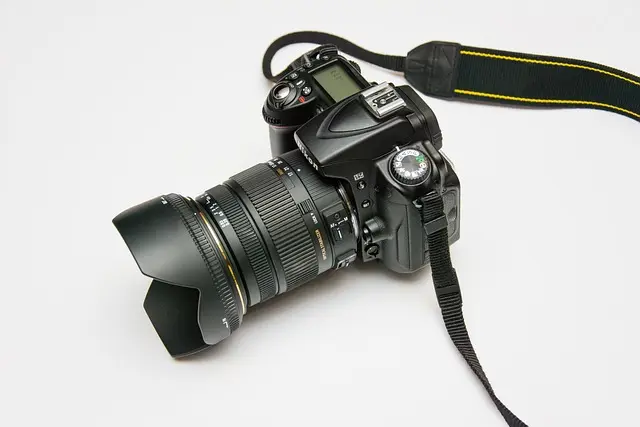
To effectively develop your photography skills, you must first become familiar with your camera and its settings. A common mistake many beginners make is overlooking the importance of understanding their equipment. Whether you are using a smartphone, a mirrorless camera, or a DSLR, knowing how to utilize its features is essential.
Key Features to Explore:
- Aperture: Controls the amount of light entering your lens and impacts depth of field. A wide aperture (low f-stop) gives you a blurred background, while a narrow aperture (high f-stop) keeps more of the scene in focus.
- Shutter Speed: Affects how motion is captured. Fast shutter speeds freeze action, whereas slow shutter speeds can create a sense of movement.
- ISO: Determines the camera's sensitivity to light. Be mindful of balancing ISO to avoid grainy photos.
Pro Tips:
- Take the time to read the manual of your camera.
- Experiment with different settings in varied lighting conditions.
- Spend a day reading online tutorials and watching videos on how to optimize each setting for your shooting style.
2. Mastering Composition Techniques
Composition is just as vital as the technical aspects of photography. Great photographs don’t just happen; they rely on arranging elements within the frame effectively. Understanding composition can significantly enhance your photos.
Essential Composition Techniques:
- Rule of Thirds: Divide your frame into a grid of nine equal parts and position the subject along these lines or at their intersections for more engaging imagery.
- Leading Lines: Use natural lines in your scene (like roads or rivers) that lead the viewer's eye towards the subject.
- Framing: Use natural elements like trees or windows to surround your subject, drawing attention to it.
Common Pitfalls to Avoid:
- Placing the subject directly in the center of the frame can often lead to disappointing images.
- Cluttered backgrounds can distract from your subject. Always be conscious of your background when composing a shot.
3. Practicing Regularly
The only way to excel in photography is through consistent practice. Set aside regular sessions to shoot in different environments, lighting situations, and subjects.
Practice Ideas:
- Daily Challenges: Commit to taking at least one photo every day. This could be as simple as capturing a flower in your garden or a busy street corner.
- Photo Walks: Explore your city and capture moments or scenes that inspire you. Bring your camera everywhere!
- Themed Projects: Consider picking a theme (like colors, shapes, or textures) and spend a week focused solely on that subject.
4. Analyzing and Learning from Your Work
Take the time to review your photographs. Analyzing your work helps identify strengths and areas for improvement. You can keep a journal detailing what you learned from each session.
Steps for Effective Analysis:
- Seek Feedback: Share your work with friends, family, or an online community to get constructive criticism.
- Join Workshops or Online Courses: Engaging with experts and other enthusiasts provides new insights that can elevate your skills.
- Compare with Professionals: Look at professional photographers' work and notice what draws you to their images. Try to emulate those aspects in your own photography while still adding your unique touch.
5. Embracing Post-Processing Techniques
Editing is a crucial step in the photography process. Learning basic editing tools can help enhance your photographs, allowing you to correct errors and create stunning results.
Basic Editing Techniques:
- Crop and Straighten: Adjust composition after the fact by cropping and straightening your photos.
- Adjusting Brightness and Contrast: Enhance the depth of your images with slight adjustments to brightness and contrast to make the images pop.
- Applying Filters or Presets: Explore creating a consistent style through filters or presets without overdoing effects that may distract from the image.
Common Editing Mistakes:
- Over-editing can lead to unnatural looking photos. Make edits that enhance rather than alter the original image significantly.
📺 For Further Insight:
[Tips for Beginners in Photography], a complete overview of essential skills. Search on YouTube: photography tips for beginners 2026.
Checklist Before You Start
- [ ] Familiarize yourself with your camera settings.
- [ ] Practice composition techniques.
- [ ] Set a regular photography practice schedule.
- [ ] Analyze your photographs critically.
- [ ] Experiment with post-processing techniques.
Glossary
| Term | Definition |
|---|---|
| Aperture | The opening in a lens that controls the amount of light reaching the sensor. |
| Shutter Speed | The duration the camera's shutter is open to expose light to the sensor. |
| ISO | The sensitivity of your camera's sensor to light. |
---
📺 Pour aller plus loin : photography tips for beginners 2026 sur YouTube