Table of Contents (15 sections)
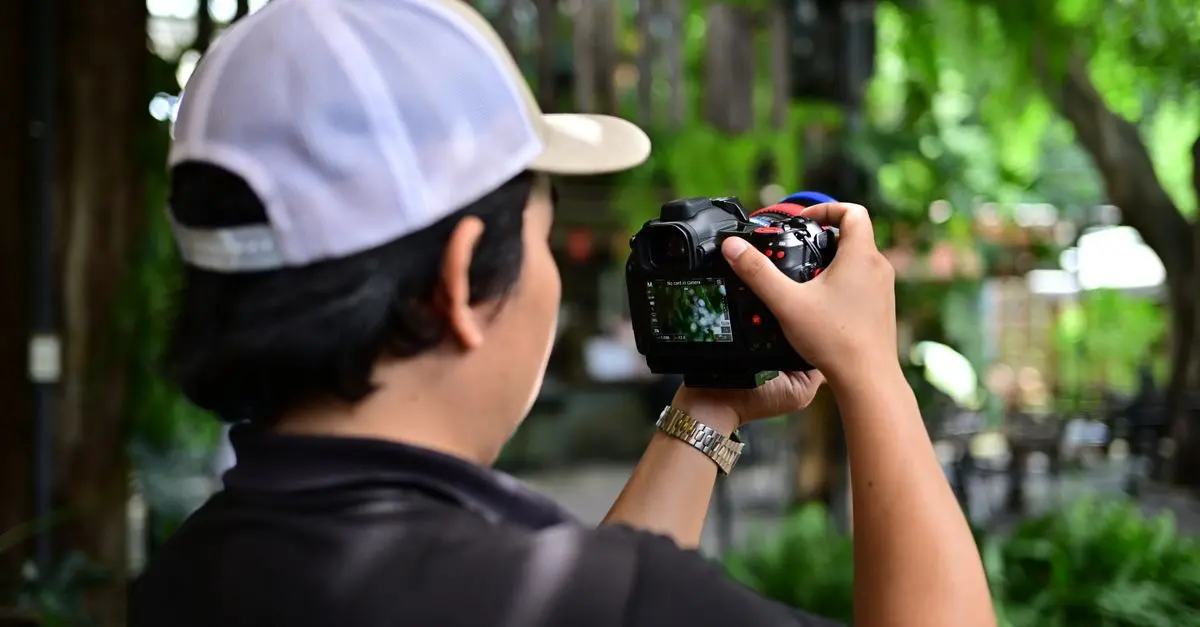
Photography is an art that combines technical skills with a creative vision. Whether you are a beginner or an experienced photographer, developing your photography skills is essential for creating compelling images. This article will outline the crucial steps you need to enhance your photography skills effectively.
1. Understand Your Camera
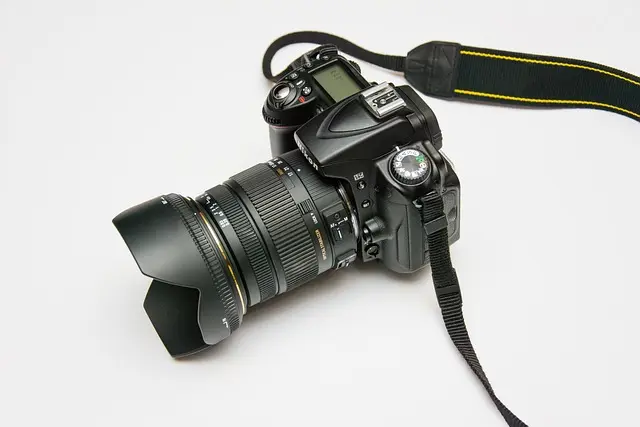
Familiarizing yourself with your camera is the first step to unlocking its full potential. Whether you’re using a DSLR, mirrorless camera, or a smartphone, each has unique features and settings that can dramatically affect your photos. Spend time learning how to adjust exposure, aperture, ISO, and shutter speed. Understanding these components allows you to manipulate light and capture images that convey your intended message. For instance, playing with aperture lets you achieve a blurry background effect, highlighting your subject beautifully. Understanding your equipment will build a strong foundation for your development.
2. Master Composition Techniques
Composition plays a key role in photography. Techniques such as the Rule of Thirds, leading lines, framing, and symmetry help create dynamic and engaging images. The Rule of Thirds is particularly effective — by dividing your frame into a grid of nine equal parts, you can position important elements along these lines or at their intersections for a more balanced photo. Moreover, exploring composition through various perspectives and angles can transform a mundane subject into an extraordinary shot. As you practice, start analyzing the composition in photos you admire and ask yourself how you can apply those principles in your work.
3. Experiment with Lighting
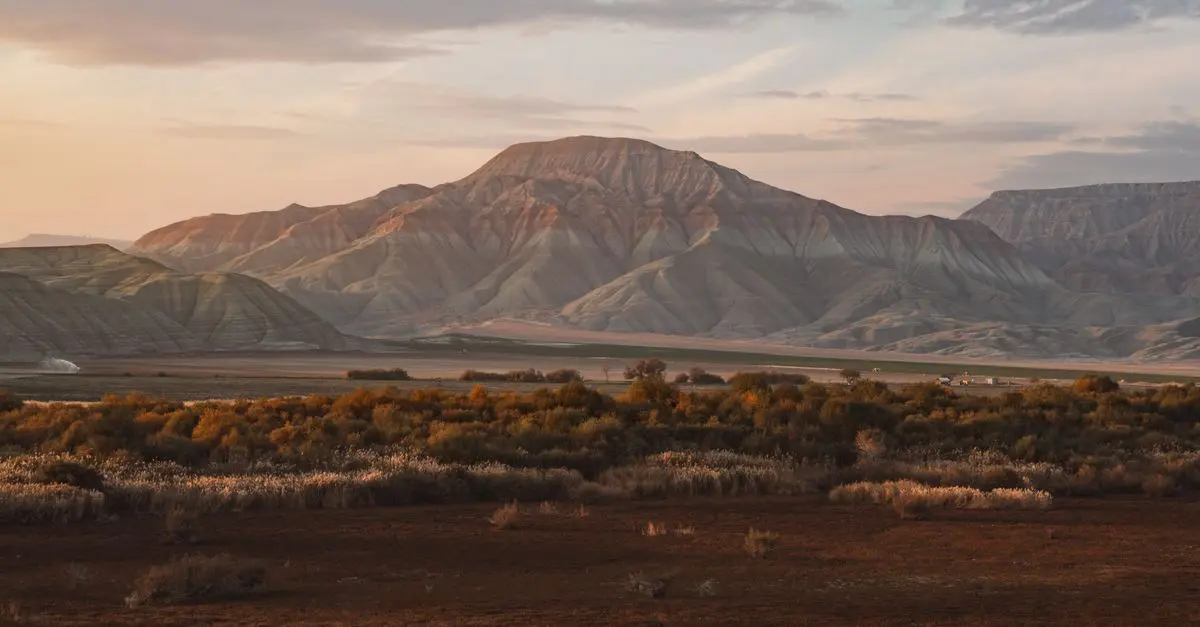
Lighting is one of the most critical aspects of photography. Natural light changes throughout the day, and understanding how to work with it can greatly enhance your shots. Early mornings and late afternoons (often referred to as the golden hours) provide soft, flattering light that can make your photographs really pop. Additionally, consider using reflectors or diffusers to control the light intensity when shooting. Experimentation is key; try taking the same photo at different times of day and under various conditions to see how light can affect mood and detail.
4. Practice, Practice, Practice
The adage 'practice makes perfect' rings especially true in photography. Make it a point to carry your camera and shoot regularly, regardless of the conditions. Set specific projects for yourself, such as a 30-day challenge to take a photo each day that adheres to a specific theme or technique. This practice not only enhances your technical abilities but also helps to develop your unique style and perspective.
5. Edit Your Photos
Photo editing is an essential part of the photographic process that shouldn’t be overlooked. Tools like Adobe Lightroom and Photoshop can dramatically improve your images. Learn the fundamentals of photo editing, such as adjusting brightness, contrast, saturation, and sharpness. Editing can help correct imperfections and bring out colors and details that may not have been visible in the original shot. You might be surprised at how editing can elevate an already good photo to something truly remarkable.\n
6. Study Other Photographers
Analyzing the work of established photographers can provide inspiration and insight into techniques and styles you may wish to explore. Follow different photographers on social media, join online photography forums, or participate in local photography groups. Discussing and critiquing each other's work can also assist in identifying your own strengths and areas for improvement. Learning from the work of others can accelerate your development and introduce you to new concepts and styles.
7. Take Workshops or Classes
Investing time in workshops or classes can provide structured learning and hands-on experience. Local photography clubs, community education programs, and online courses offer countless options for skill development. These classes often include practical assignments where you'll receive direct feedback, which can be incredibly beneficial. Collaborating with others who share your passion can also lead to new friendships and networks within the photography community.
8. Build a Portfolio
As you develop your photography skills, it’s imperative to compile a portfolio that showcases your best work. This not only helps you track your progress but also provides potential clients or employers with a glimpse into your individual style and capabilities. Aim to create a diverse collection that reflects different techniques and subjects. An organized portfolio can also be a powerful tool for self-assessment and marketing your services.
9. Get Feedback
Constructive criticism is invaluable in the learning process. Share your work with friends, family, or colleagues who have a good eye for photography. Joining online photography communities can also help you find a broader audience for feedback. Be open to critiques, as they can often reveal blind spots you may not have considered and push you out of your comfort zone.
10. Stay Inspired
Finally, keep your passion alive by seeking inspiration from various sources. Explore art galleries, read photography books, watch documentaries, or follow photography blogs and podcasts. Inspiration fuels creativity, and continually engaging with new ideas and perspectives can provide fresh motivation and concepts for your own work.
📺 For more insights: Essential Photography Strategies, a comprehensive analysis of photography skills. Search on YouTube: "develop photography skills 2026".
Glossary
| Term | Definition |
|---|---|
| Aperture | The opening in a lens through which light passes, affecting depth of field. |
| ISO | The sensitivity of your camera's sensor to light; higher ISO can capture more light but may introduce noise. |
| Shutter Speed | The length of time a camera's sensor is exposed to light, which can freeze motion or create blur. |

Gb-1 Utility Photography Belt Lens Pouches Case With 4 Metal D-rings
Darty FR
Sponsored by Awin Bruno

6inch USB LED Video Light Dimmable Ring Lamp for Photography Selfie Live Studio
Darty FR
Sponsored by Awin Bruno

Schwarzkopf Igora Royal Colour & Care Developer 12% 40 Vol 1000ml
DocMorris FR (ex DoctiPharma FR)
Sponsored by Awin Bruno
Checklist before purchase
- [ ] Identify your photography goals.
- [ ] Analyze your camera's capabilities.
- [ ] Experiment with different lighting conditions.
- [ ] Create a regular shooting schedule.
- [ ] Explore editing software that suits your style.
Recommended Products
- Product 1: A utility photography belt is fantastic for organizing your gear on the go.
- Product 2: A versatile LED video light is perfect for enhancing lighting in any situation.
- Product 3: Consider our selection of high-quality photographic accessories that can improve your setup.
Enhancing your photography skills is a rewarding journey that offers both creative fulfillment and practical skills. Remember, the best improvements come from a combination of knowledge and hands-on experience. Happy shooting!
📺 Pour aller plus loin : develop photography skills 2026 sur YouTube
Recommended products
Selected by our experts
Gb-1 Utility Photography Belt Lens Pouches Case With 4 Metal D-rings
Darty FR
This utility photography belt helps keep your equipment organized and easily accessible during shoots.
Sponsored by Awin Bruno
6inch USB LED Video Light Dimmable Ring Lamp for Photography Selfie Live Studio
Darty FR
A dimmable LED video light can enhance your lighting for both photography and video, essential for low-light conditions.
Sponsored by Awin Bruno
Schwarzkopf Igora Royal Colour & Care Developer 12% 40 Vol 1000ml
DocMorris FR (ex DoctiPharma FR)
Our selection of photographic accessories can complement your setup and elevate your skills.
Sponsored by Awin Bruno