Table of Contents (10 sections)
Becoming a photographer can be a rewarding career choice, combining artistic expression with technical skills. In a world increasingly obsessed with visuals, mastering photography allows you to capture moments, tell stories, and explore creativity. However, taking the leap into professional photography requires more than just a love for taking pictures. Here’s your step-by-step guide on how to become a photographer.
Step 1: Understand the Fundamentals of Photography
To become a photographer, you must first grasp the essential principles of photography. This includes understanding concepts such as exposure, aperture, shutter speed, and ISO. Exposure refers to the amount of light that reaches the camera sensor—critical for achieving well-lit images. Aperture controls the size of the lens opening, affecting depth of field and background blur. Learning how to balance these elements is key to producing high-quality images.
For instance, using a wide aperture (like f/1.8) can create an artistic blur in backgrounds, ideal for portraits. Contrast this with a smaller aperture (like f/16), which helps capture detail across landscapes. Start experimenting with these settings in various lighting conditions. Use websites like Digital Photography School for more resources and tutorials.
Step 2: Invest in Quality Equipment
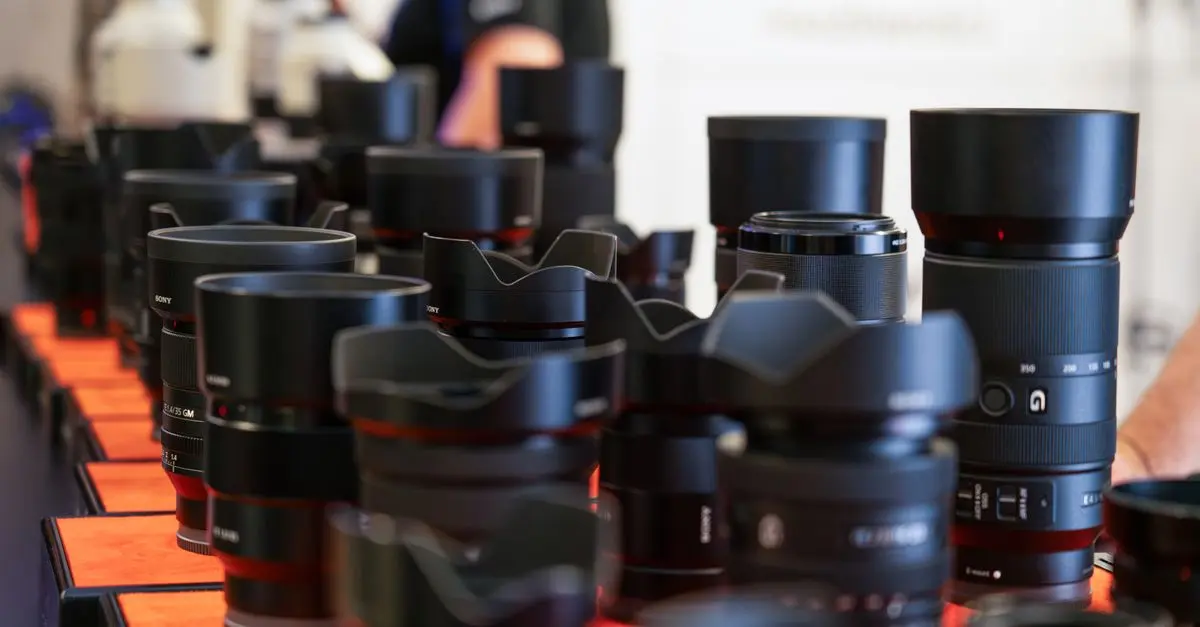
Your photography gear is critical to your success. While it can be tempting to splurge on the latest models, focus on investing in a good quality camera that suits your shooting style, whether it's DSLRs, mirrorless cameras, or even high-end compact cameras. Additionally, consider purchasing quality lenses, as they greatly influence image quality and creativity.
Here’s a breakdown of key equipment:
| Equipment Type | Option A | Option B | Option C | Verdict |
|---|---|---|---|---|
| Camera | Mirrorless | DSLR | Compact | Many professionals prefer DSLRs for versatility & lens options. |
| Lenses | Prime | Zoom | Wide-angle | Prime lenses offer superior image quality, but zoom lenses provide flexibility. |
| Accessories | Tripod | Filters | Flash | For serious photographers, a tripod is essential for stability in long exposures. |
| Editing Software | Lightroom | Photoshop | Capture One | Lightroom is user-friendly for organizing and editing images. |
📺 Resource Video
📺 For further learning: Understanding Photography Basics, a comprehensive overview of photography fundamentals. Search on YouTube:
photography basics 2026.
Step 3: Develop Your Unique Style
As you become more comfortable with the technical aspects, start experimenting to develop your unique photographic style. Style is influenced by the types of subjects you choose, the lighting conditions you prefer, and how you edit your images. Take the time to explore various genres—such as landscape, portrait, street, or wildlife photography—and hone in on what excites you most.
For example, if you find joy in capturing people, consider portrait photography. Utilize natural light and focus on expressions to create powerful images. Meanwhile, landscape photographers should learn to use different times of day for unique looks—golden hour tends to yield very warm colors. Share your work on platforms like Instagram or Flickr to receive feedback and attract an audience.
Step 4: Build Your Portfolio
Once you've authenticated your style, curate a professional portfolio showcasing your best work. A portfolio should reflect your unique perspective, encompassing a range of your abilities and preferred themes. This is crucial for potential clients to assess your expertise.
Consider these tips:
- Diversity: Include different genres and techniques in your portfolio.
- Quality over Quantity: Choose only your best images—usually more effective than showing numerous mediocre shots.
- Presentation: Use a clean layout on online platforms like Behance or personal websites.
- Regular Updates: Refresh your portfolio every few months to keep it relevant.
Creating a striking portfolio will not only attract clients but also position you as an authority in your niche.
Step 5: Network and Market Yourself
In photography, networking is crucial. Attend photography workshops, join local clubs, or participate in online communities. Networking opens up potential collaborations, client leads, and mentoring opportunities. Utilize platforms like LinkedIn, Instagram, and Facebook to connect with peers and showcase your work.
Effective marketing strategies can include setting up a professional website to host your portfolio and engaging in social media actively. Optimize your online presence by using relevant hashtags and geotags to attract attention. Creating blog content about your photography experiences not only demonstrates your expertise but also drives traffic to your site.
Checklist before launching your photography career
- [ ] Master camera basics and photography fundamentals.
- [ ] Invest in quality photography equipment suited to your needs.
- [ ] Develop a unique photographic style.
- [ ] Build an impressive portfolio with diverse work samples.
- [ ] Network with other photographers and engage with potential clients online.
Glossary
| Term | Definition |
|---|---|
| Aperture | The size of the lens opening that controls light entering the camera. |
| ISO | A measure of the camera's sensitivity to light. |
| Shutter speed | The duration the camera's shutter is open to expose light to the camera sensor. |
> 🧠 Quick Quiz: What is the purpose of aperture in photography?
> - A) To control the camera's sensitivity.
> - B) To adjust the amount of light entering the lens.
> - C) To determine the photo's sharpness.
> Answer: B — Aperture controls the amount of light entering the lens.
Conclusion
Embarking on a journey to become a photographer is an exciting endeavor that combines creativity with technique. By following these essential steps, investing wisely, and continuously improving your skills, you can create a successful career in photography that fulfills your artistic aspirations. Share your journey and always strive to learn. The world is full of images waiting to be captured—now it’s your turn!
📺 Pour aller plus loin : photography basics 2026 sur YouTube