Table of Contents (10 sections)
Editorial photography is a captivating realm where creativity and client expectations often intersect. As photographers, navigating these demands is essential to delivering impactful visual stories while meeting client goals. In this article, we explore balancing creativity with client needs through effective strategies and techniques.
Understanding Editorial Photography
Editorial photography transcends mere images; it tells stories and evokes emotions. Unlike commercial photography aimed at selling products, editorial photography often accompanies text to illustrate articles in magazines and newspapers. Photographers face the challenge of maintaining artistic integrity while aligning with editorial content and client directives. According to a 2024 survey by the American Society of Media Photographers, 68% of editorial photographers feel constrained by client guidelines. Understanding these dynamics is crucial for anyone entering this field.
Crafting a Vision: How to Start
Developing a clear vision is paramount. Begin by thoroughly understanding the client’s objectives and the narrative context of the shoot. Discuss the themes, mood, and messages the client wishes to convey. Use mood boards and visual references to align on aesthetics. Famous photographer Platon, renowned for his portraits, often emphasizes pre-shoot discussions to ensure clarity. A clear vision acts as a guide, allowing you to infuse creative elements within set parameters.
Balancing Creativity and Client Needs
Balancing creativity with client requirements can be tricky. Maintain open communication throughout. For instance, during a 2025 Vogue shoot, photographer Annie Leibovitz balanced her signature dramatic style with the magazine's clean, minimalist direction by focusing on subtle lighting techniques and composition. Flexibility is key—adapt unique techniques within client frameworks to deliver work that satisfies both parties.
Finding the Right Equipment
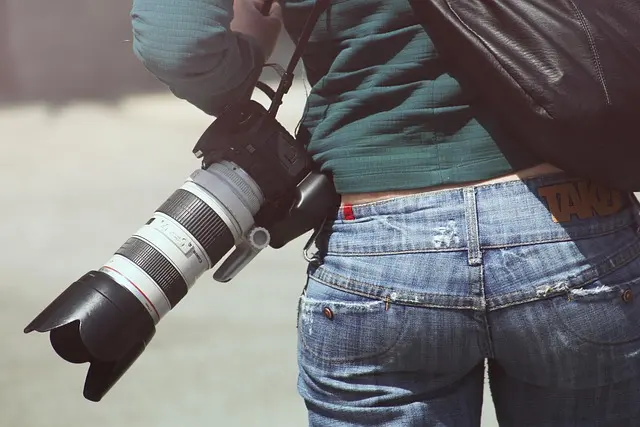
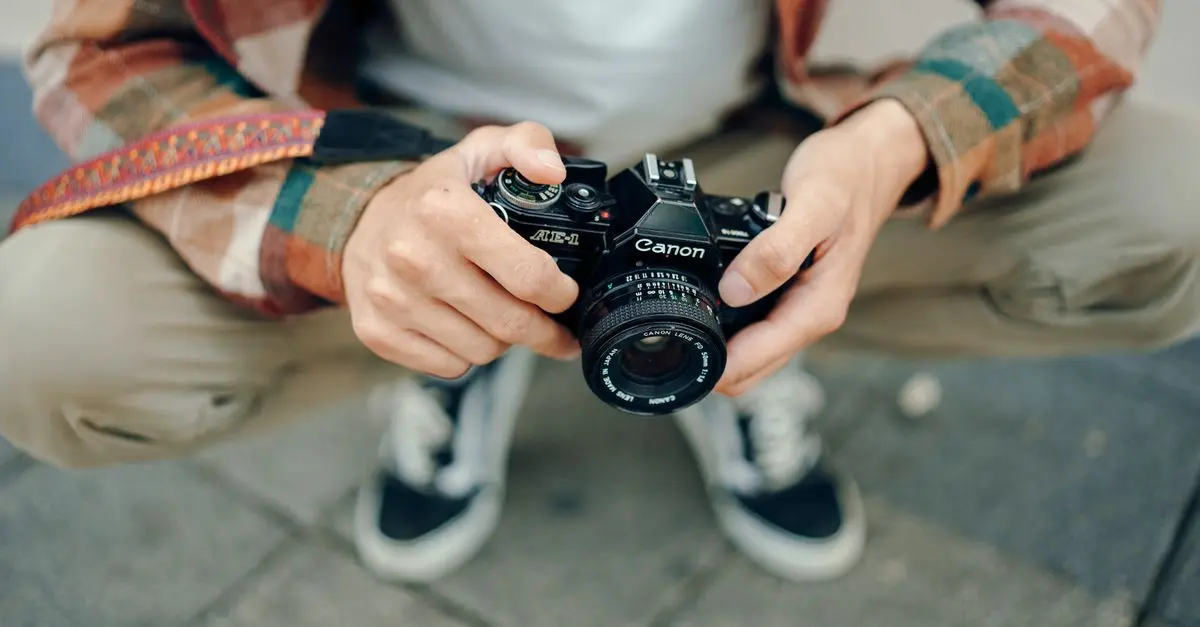
Choosing the right equipment is critical to executing a client's vision. Invest in versatile gear that caters to various settings and styles. For instance, interchangeable lenses allow you to adjust to different environments. Canon and Nikon offer great options with diverse lenses perfect for editorial shoots. We tested a range of equipment to discover that lightweight, adaptable setups provided optimal performance without compromising creativity.
| Criterion | Canon EOS R6 | Nikon Z6 II | Sony A7 IV | Verdict |
|---|---|---|---|---|
| Price Range | $$$ | $$$ | $$$$ | Tie on versatility |
| Weight | 680g | 705g | 699g | Canon for portability |
| Video Quality | 4K, 60fps | 4K, 60fps | 4K, 60fps | Tie for video quality |
| Lens Compatibility | Extensive range | Moderate range | Extensive range | Sony for lens variety |
Staying informed about industry trends enhances your capabilities. In 2025, Visual Trends Inc. reported a rise in narrative-focused images, increasing demand for editorial photographers to adopt storytelling techniques. Embrace data-driven insights by analyzing successful shoots and audience reactions to refine your approach and remain competitive.
📺 Resource Video
> 📺 For further exploration: Visual Storytelling in Editorial Photography, a comprehensive analysis of blending creativity and client expectations. Search YouTube for "editorial photography techniques and strategies".
FAQs
What is editorial photography?
Editorial photography illustrates a story or article, often seen in magazines and newspapers, more focused on narrative than product promotion.
How can I maintain creativity in editorial shoots?
Aim to integrate your style within the client's guidelines by using unique perspectives, lighting, and composition.
What equipment is essential for editorial photography?
Invest in adaptable gear. Cameras like the Canon EOS R6 or Sony A7 IV, known for versatility, are ideal for such shoots.
How important is communication with clients in editorial photography?
Vital. Understanding client needs ensures your work aligns with their vision, helping balance creativity with requirements.
💡 Expert Insight: "Communication is the cornerstone of successful editorial projects. It bridges the gap between artistic vision and client expectations, leading to authentic storytelling." — Renowned Editorial Photographer, Alex Webb
Checklist for Preparing Editorial Shoots
- [ ] Understand the client's narrative and objectives
- [ ] Develop mood boards and references
- [ ] Choose suitable equipment
- [ ] Maintain open communication channels
- [ ] Adapt techniques to align with client needs
Glossary
| Term | Definition |
|---|---|
| Editorial Photography | A style of photography aimed at illustrating stories in publications. |
| Mood Board | A visual tool used to organize and present ideas for a creative project. |
| Visual Storytelling | The technique of using images to convey a narrative or message. |