Table of Contents (10 sections)
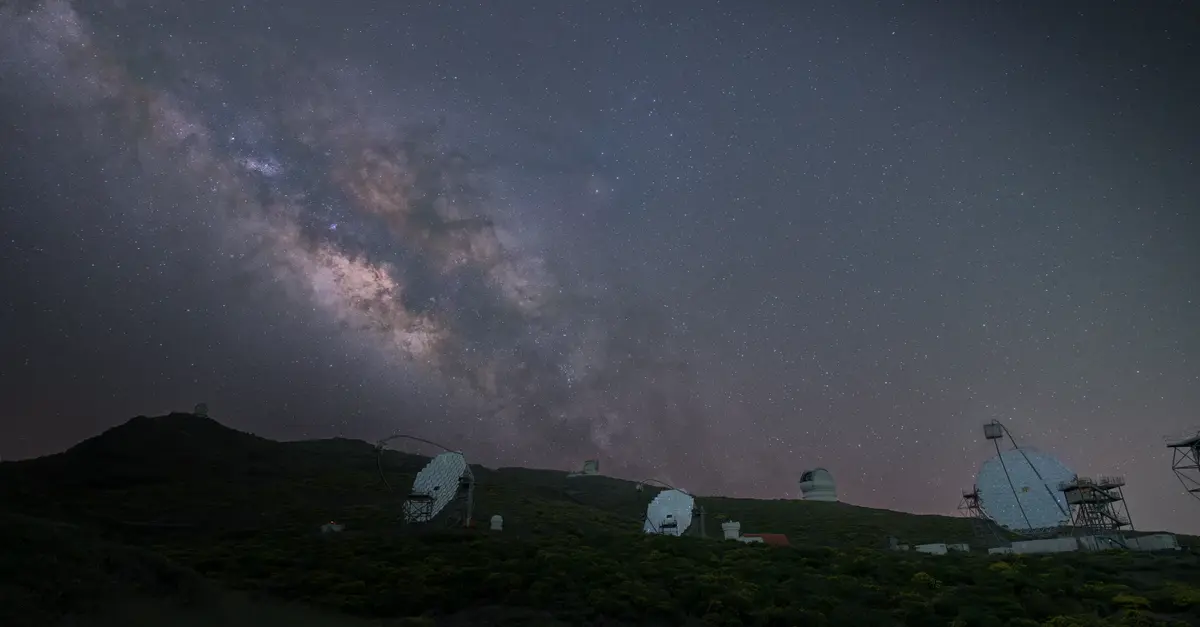
Astrophotography is the art of capturing the night sky in all its glory. Whether you want to photograph stars, planets, or celestial events, this guide is for you.
Understanding Astrophotography
Astrophotography allows photographers to capture the beauty of the night sky. It combines technical camera skills with a deep appreciation for astronomy. It’s important because it brings the invisible universe to life through detailed imagery.
Step-by-Step Guide to Astrophotography
- Gather the Right Equipment
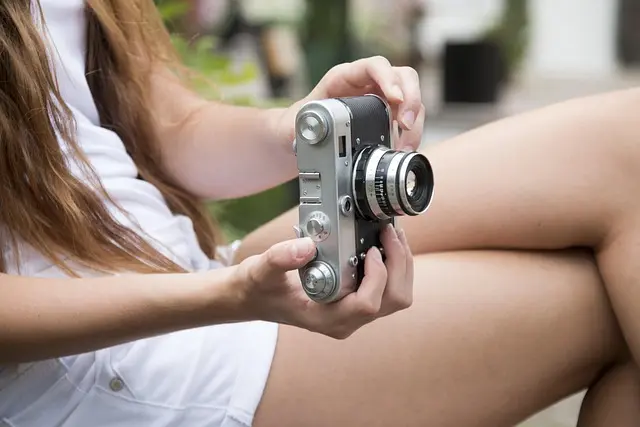
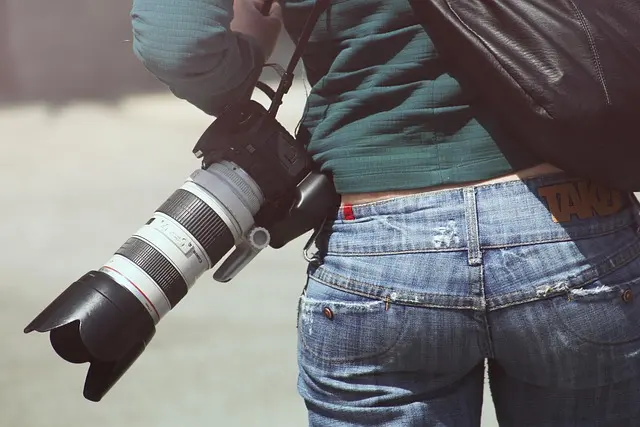
To start with astrophotography, you'll need a DSLR or mirrorless camera, a sturdy tripod, and a wide-angle lens with a fast aperture. Brands like Canon and Nikon offer excellent cameras for beginners, while more advanced photographers might prefer models from Sony. Tripods prevent shake, ensuring sharp images.
- Find the Perfect Location
Light pollution can seriously hinder your astrophotography. Seek out locations known for dark skies, such as national parks or designated stargazing areas. Apps like Light Pollution Map can help identify ideal sites.
- Master Camera Settings
Start with a high ISO setting (800-1600), a wide aperture (f/2.8), and a long exposure (20-30 seconds). Adjust based on the environment. Sony sensors often perform well in low light, reducing noise in your captures.
- Focusing in the Dark
Autofocus struggles in low light. Use manual focus and the live view mode to zoom in on a bright star. Fine-tune until the star appears sharp. Canon cameras have excellent features for this.
- Capture Celestial Events
Plan for events like meteor showers or eclipses. Apps like Stellarium can forecast celestial events to help you plan your shots. The Perseid meteor shower, for example, peaks in August and creates excellent shooting opportunities.
- Processing Images
Post-processing is crucial for astrophotography. Software like Adobe Lightroom can correct exposure, enhance contrast, and reduce noise. With practice, you'll create breathtaking images.
📺 Resource Video
📺 For Further Learning: Astrophotography for Beginners, a comprehensive guide on how to capture the night sky. Search YouTube: “astrophotography tips 2026”.
Comparative Table
| Feature | DSLR | Mirrorless | Smartphone | Verdict |
|---|---|---|---|---|
| Image Quality | High | Very High | Moderate | Mirrorless |
| Portability | Moderate | High | Very High | Smartphone |
| Battery Life | Long | Moderate | Short | DSLR |
| Customization | Extensive | Extensive | Limited | DSLR |
- Q: How to reduce noise in astrophotography?
A: Use a lower ISO setting, longer exposure, and apply noise reduction in post-processing.
- Q: What’s the best time for astrophotography?
A: The best time is during a new moon to avoid light interference.
- Q: What lenses are best for astrophotography?
A: A wide-angle lens with a fast aperture like f/2.8 is ideal.
Infographic Idea
Glossary
| Term | Definition |
|---|---|
| ISO | A measure of the camera’s sensitivity to light. |
| Aperture | The opening in a lens through which light enters. |
| Exposure Time | Duration the camera's sensor is exposed to light. |
- [ ] Choose a dark location without light pollution
- [ ] Use a tripod for stability
- [ ] Set camera to manual mode
- [ ] Enable long exposure noise reduction
- [ ] Ensure lens is clean for optimal clarity
🧠 Quiz quick question: What is the best time for astrophotography?
- A) New Moon nights
- B) Full Moon nights
- C) Cloudy nights
Answer: A — New Moon nights are best for minimizing light interference.
By following these steps, you’ll be able to capture stunning night sky images and deepen your appreciation for the vast universe.
Conclusion
Astrophotography requires patience and practice, but the results are rewarding. Start small, refine your skills, and let the universe inspire your photography journey.