Table of Contents (20 sections)
Photography is more than just holding a camera and clicking a button. It is an art form that requires skill development and knowledge of various techniques. In this guide, we will delve into the journey of building photography skills, covering essential techniques, tools, and practices that will elevate your photography.
Understanding Photography
Photography can be defined as the art and science of capturing light to create images. At its core, it involves a camera, a subject, and an understanding of how light interacts with both. The engagement with photography can vary from casual snapshots to professional-grade images.
The significance of building photography skills lies in the ability to tell stories through images, evoke emotions, and convey messages. According to a 2025 survey by Statista, 65% of aspiring photographers cite technical skill as a barrier to entry into the field. Developing your photography skills enhances not just your proficiency with a camera but also your creativity and ability to communicate visually. Understanding the fundamentals is crucial to progressing as a photographer.


6inch USB LED Video Light Dimmable Ring Lamp for Photography Selfie Live Studio
Darty FR

Technical Skills Development
Step 1: Familiarize Yourself with Your Camera
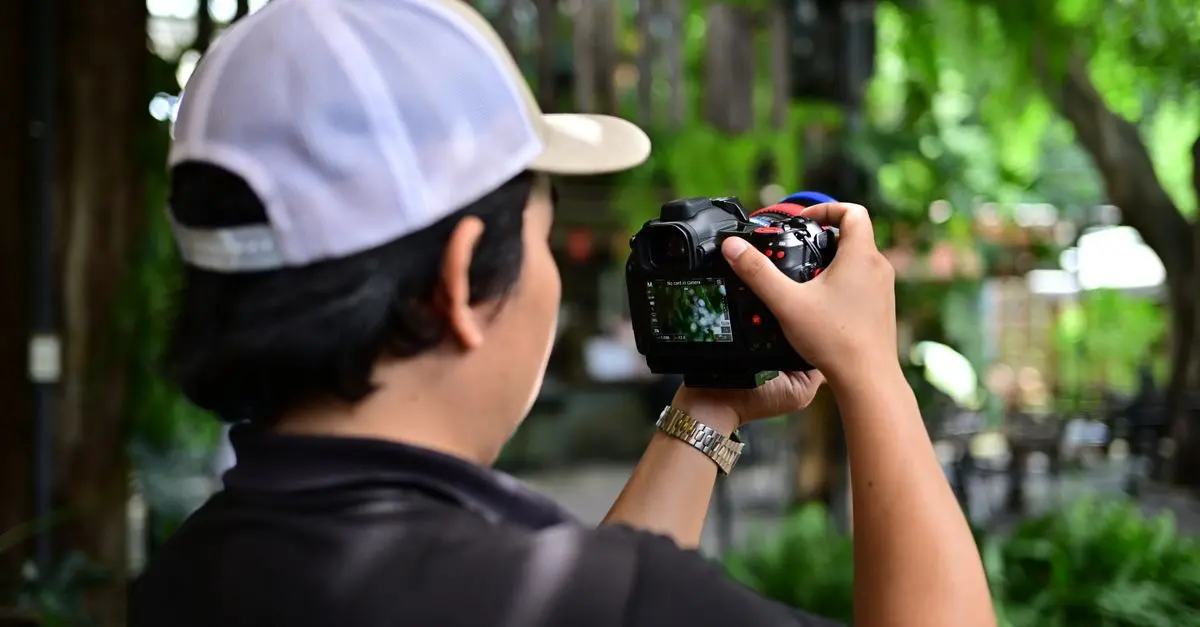
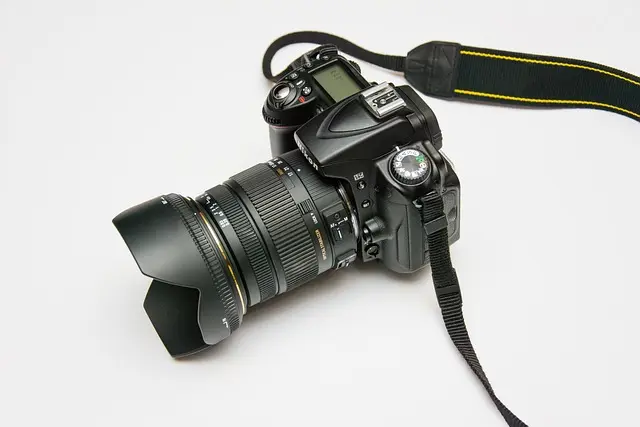
To build your photography skills, immerse yourself in the technical aspects of your camera. From DSLRs to mirrorless systems, understanding your equipment can dramatically affect the quality of your output. Begin with basic settings like ISO, shutter speed, and aperture.
- ISO: Affects the camera's sensitivity to light. Higher ISO captures more light but can introduce noise.
- Shutter Speed: Controls how long the camera's sensor is exposed to light. Faster speeds can freeze action, while slower speeds can create motion blur.
- Aperture: Influences the depth of field, allowing you to isolate subjects or include more background detail.
A productive way to enhance technical skills is to participate in workshops or online courses. Practice different settings, note their effects, and gradually start experimenting with manual mode. In 2026, consider joining local photography clubs or online forums to learn from peers and experts alike.
Composition Techniques
Step 2: Mastering Composition
Composition is the arrangement of elements within a photograph, crucial for storytelling and visual appeal. Exploring various rules of composition can significantly elevate the quality of your images. The following techniques are foundational:
- Rule of Thirds: Dividing the frame into a 3x3 grid and placing key elements along these lines or intersections creates a more engaging image.
- Leading Lines: Use natural lines in your scene to guide the viewer's eye toward the subject.
- Framing: Incorporate elements from your environment to frame your subject, adding depth and context.
- Balance: Strive for visual balance in your images; a well-balanced composition is pleasing to the eye.
Experiment with these techniques by testing different angles and focal lengths. For instance, wide-angle shots can emphasize backgrounds, while telephoto lenses can compress scenes for unique perspectives.
Example of Composition Techniques
| Technique | Description | Pros | Cons |
|---|---|---|---|
| Rule of Thirds | Key elements at points of interest | More dynamic images | Can be cliché |
| Leading Lines | Directs viewer’s eyes to the subject | Engaging, guides gaze | Must be naturally present |
| Framing | Uses surrounding elements for focus | Adds context | Can obscure subject |
Step 3: Understanding Light
Light is a photographer's best friend and worst enemy. Mastering light will significantly influence your images. Different times of day provide varying quality and direction of light. The golden hour (shortly after sunrise and before sunset) offers soft, warm light, perfect for capturing landscapes and portraits.
- Natural Light: Understand how to work with shadows and highlights. Overcast days provide diffused light, which is excellent for portraits.
- Artificial Light: Utilize flash and other lighting equipment for controlled settings, ensuring your subject stands out against the background.
Experiment with various lighting techniques, like backlighting, to enhance the mood of your photographs. An important pitfall to avoid is ignoring the cardinal rule: Always be aware of where the light is coming from and how it interacts with your subject.
Post-Processing and Editing
Step 4: Embrace Post-Processing
Post-processing is crucial for refining your images. It allows you to correct exposure, enhance colors, and remove distractions. Familiarize yourself with software like Adobe Lightroom or Photoshop, which offer dynamic editing tools. Always start with basic edits — exposure adjustments, color correction, and crop your images to perfect their composition.
When working within your editing software, try to maintain a consistent style across your photos. This can help with branding if you choose to share your work online. Remember, editing should enhance your story without overwhelming your original vision.
Pro Tip: Always save a copy of your original files to avoid losing quality during edits.
Practice and Experimentation
Step 5: The Importance of Practice
The final step in building your photography skills is to practice regularly. Challenge yourself to explore different genres of photography, whether it be portrait, landscape, or street photography. Each genre requires unique approaches that will enhance your overall skills.
Set personal projects or assignments that will force you to think differently and embrace creativity. Documenting a day in your life through photos or experimenting with new editing techniques can significantly enhance your skills. Join photography challenges or contests to stay motivated.
Common pitfalls to avoid include falling into the trap of overwhelming your portfolio with too many similar shots. Aim to demonstrate your range and growth over time.
Checklist: Building Your Photography Skills
- [ ] Learn the basics of your camera settings
- [ ] Practice composition techniques
- [ ] Experiment with different lighting
- [ ] Engage in post-processing regularly
- [ ] Set up personal photography projects
📺 Resource Video
> 📺 To go further: Check out this informative video on 'Photography Basics for Beginners', which provides insights into camera settings and photography techniques. Search for “photography techniques for beginners 2026” on YouTube.
Glossaire
| Terme | Définition |
|---|---|
| ISO | Mesure de la sensibilité du capteur à la lumière. |
| Aperture | Ouverture de l’objectif, influençant la profondeur de champ. |
| Shutter Speed | Durée d'exposition du capteur à la lumière. |
Conclusion
Becoming a skilled photographer is a journey of continuous learning and practice. Embrace the process, and don't hesitate to experiment with new techniques that resonate with you. While we have selected several products suited for photographers, discover our recommendations below to further enhance your craft.
Recommended Products
- - - ---
📺 Pour aller plus loin : photography techniques for beginners 2026 sur YouTube
Recommended products
Selected by our experts
Gb-1 Utility Photography Belt Lens Pouches Case With 4 Metal D-rings
Darty FR
A utility photography belt is essential for carrying your gear while on the go, ensuring you have everything at your fingertips for those perfect shots.
6inch USB LED Video Light Dimmable Ring Lamp for Photography Selfie Live Studio
Darty FR
A dimmable ring lamp is perfect for achieving professional lighting in your portraits or creative photography projects.
Olaplex Browbond Building Sérum Cejas 3.5ml
DocMorris FR (ex DoctiPharma FR)
Professional quality lenses are crucial for enhancing your photography, offering greater clarity and versatility for various shooting scenarios.