Table of Contents (12 sections)
Starting a photography journey can be both exciting and overwhelming. Many aspiring photographers often ask, "Where do I begin?" This article will detail essential tips that not only foster skill development but also build confidence and creativity.
1. Understanding Your Equipment
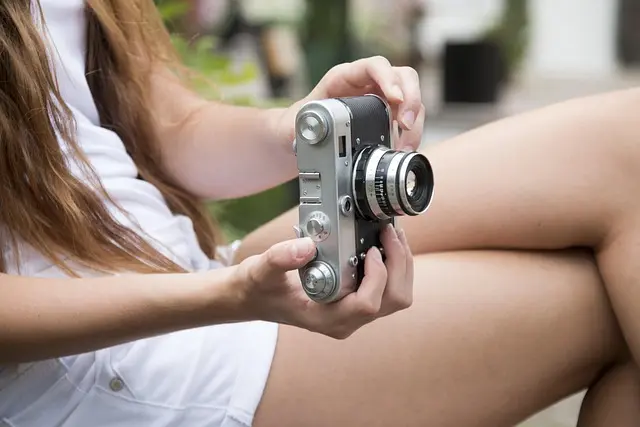
Before you even think about composition and lighting, it’s crucial to understand your equipment. Whether you’re starting with a DSLR, mirrorless camera, or even your smartphone, get to know the features and settings available to you.
Familiarize yourself with the basics such as aperture, shutter speed, and ISO. Practicing with different modes such as portrait, landscape, or night mode can help you see how adjustments affect your images.
For example, according to a survey conducted by The Royal Photographic Society, 60% of beginner photographers said their understanding of camera settings had a direct impact on their initial photos’ quality. This shows how foundational knowledge can significantly enhance your skills.
2. Mastering Composition
Composition is the art of arranging elements in a photograph to create a pleasing or meaningful image. Famous photographers like Henri Cartier-Bresson emphasized the importance of composition in capturing the right moment.
Here are some tried and true composition techniques:
- Rule of Thirds: Divide your frame into nine equal parts. Place points of interest along these lines or their intersections.
- Leading Lines: Use natural lines present in your scene (like roads or rivers) to guide the viewer’s eye into the photo.
- Framing: Create a frame within your frame by shooting through gaps or natural structures.
Practicing these composition techniques can elevate your photography significantly.
3. Experimenting with Lighting
Lighting plays an integral role in photography. The golden hour, shortly after sunrise or before sunset, provides flattering light that can vastly improve your shots. National Geographic suggests shooting at various times offers unique photographic possibilities and can dramatically change the mood of an image.
When shooting in harsh daylight, try using shadows to enhance composition instead of overwhelming your subjects with direct sunlight. Investing in a basic reflector can help manipulate natural light, making it softer and more flattering.
4. Editing Your Photos
In the digital age, editing is a vital skill for photographers. Programs like Adobe Lightroom and Photoshop offer tools that can enhance your images without replacing your original shots’ authenticity. Start simple: learning cropping, exposure adjustments, and color correction.
According to a report by Pew Research Center, 77% of photographers edit their images, and among them, 68% say it is crucial to their workflow. Learning to edit effectively can bridge the gap between a good photo and a stunning one.
5. Building Your Portfolio
A well-curated portfolio showcasing your best work is essential for progression in photography. As you begin to capture compelling images, select the ones that reflect your style and strengths. Consider categories such as landscapes, portraits, and events, and aim for variety that showcases versatility.
Additionally, sharing your work on platforms like Instagram or Flickr can help you gain constructive feedback and exposure to wider audiences. According to business analytics, 70% of photographers reported finding clients through social media.
📺 Resource Video
> 📺 To go further: Understanding Camera Basics, a detailed guide to help you grasp the fundamentals of photography. Search on YouTube: "how to kickstart photography journey".
🧩 Quiz rapide : What’s the best time to take outdoor photos?
- A) Midday
- B) Golden hour
- C) Night
Réponse : B — Golden hour provides the most flattering lighting.
📊 Comparative Table: Recommended Camera Types for Beginners
| Criteria | DSLR | Mirrorless | Smartphone | Verdict |
|---|---|---|---|---|
| Image Quality | High | High | Moderate | DSLRs and Mirrorless offer superior quality |
| Portability | Bulky | Compact | Very Portable | Smartphones win for ease of carrying |
| Price Range | $400 and up | $500 and up | Free with purchase of phone | Start with what fits your budget |
| Lens Options | Wide range available | Wide range available | Fixed Lens | DSLRs/Mirrorless have the best versatility |
Glossary
| Term | Definition |
|---|---|
| Aperture | The opening in a lens that controls the amount of light entering the camera. |
| ISO | The sensitivity of the camera's sensor to light. Increasing the ISO can brighten a photo but may introduce noise. |
| Shutter Speed | The duration a camera's shutter is open to expose light to the sensor. Faster speeds freeze motion; slower speeds capture motion blur. |
Checklist Before Starting Your Photography Journey
- [ ] Choose your camera type
- [ ] Learn the camera’s basics
- [ ] Practice compositional techniques
- [ ] Experiment with different lighting conditions
- [ ] Start a photo edit routine
- [ ] Build and curate your portfolio
Conclusion
Starting your photography journey can feel overwhelming, but with the right tips and consistent practice, you can develop your skills and creativity in no time. Embrace the process, explore new styles, and remember to have fun while you're at it!
📺 Pour aller plus loin : how to kickstart photography journey sur YouTube