Table of Contents (14 sections)
- Understanding Photography Techniques
- Master the Exposure Triangle
- The Art of Composition
- Utilize Natural Light
- Experiment with Different Lenses
- Post-Processing Techniques
- Developing Your Unique Style
- Engaging with the Photography Community
- Utilizing Social Media to Showcase Your Work
- Keeping Up with Trends in Photography
Understanding Photography Techniques
Photography techniques encompass various methods and practices that enhance a photographer's ability to capture visually stunning images. Understanding these techniques is essential for both novice and seasoned photographers aiming to develop their craft. Key techniques include mastering the basics such as exposure, composition, and lighting, along with advanced methods such as using filters and understanding the subtleties of digital post-processing. According to a survey conducted by PetaPixel, over 80% of successful photographers emphasize the importance of continuous learning about technical skills. By delving into the various photography techniques, you position yourself to take striking photos that convey your artistic vision and storytelling ability.
Master the Exposure Triangle
To master photography techniques, one must understand the exposure triangle, which consists of aperture, shutter speed, and ISO. Each element plays a crucial role in achieving a well-exposed photograph. The aperture controls the amount of light that enters the camera and affects how much of the image is in focus, while shutter speed dictates the duration of light exposure, freezing motion in action shots or adding a sense of movement when left open longer. ISO determines the sensor's sensitivity to light. For example, increasing the ISO allows for photography in low light but may introduce noise. Learning how to balance these three components will empower you to adapt to various lighting situations creatively.
The Art of Composition
Composition refers to how different elements in your frame are arranged, directly influencing the visual impact of your photograph. Key concepts include the rule of thirds, leading lines, and framing. For instance, the rule of thirds suggests placing your subject off-center to create a more engaging image. Additionally, leading lines guide the viewer's eye towards the subject, while natural framing—using elements like branches or doorways—can add depth. By practicing these compositional techniques, photographers can transform ordinary scenes into captivating photos. Remember, experimentation is vital; don't hesitate to break these rules for a unique perspective.
Utilize Natural Light
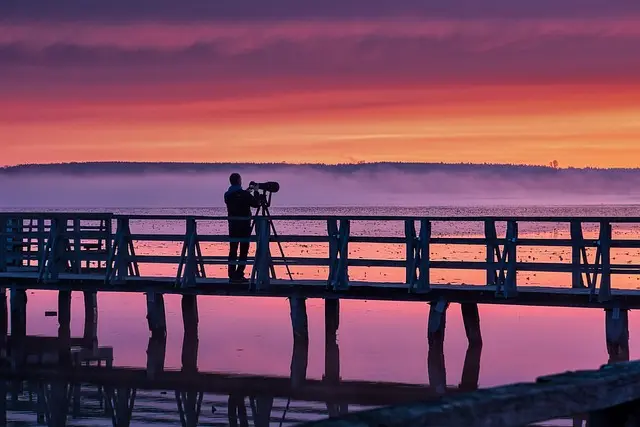
Natural light is a photographer’s best friend. The quality, direction, and color of light can significantly affect the mood of your photographs. Morning and late afternoon light, known as the golden hour, is preferred for its soft, warm glow. An essential technique is to observe how different light sources impact your shots; for example, backlighting can create silhouette effects while side lighting adds depth and texture. According to data from the American Society of Media Photographers, understanding natural light can elevate the quality of your images, ensuring you capture the moment perfectly.
Experiment with Different Lenses
Investing in various lenses can dramatically broaden your photographic techniques. Each lens type—such as wide-angle, telephoto, or macro—offers distinct possibilities that can influence your photography style. A wide-angle lens captures more of a scene, making it ideal for landscapes, while a telephoto lens is great for wildlife photography, allowing you to capture distant subjects without disturbing them. Meanwhile, macro lenses open up the world of close-up photography, revealing intricate details. By exploring these different lenses, photographers can better express their creative vision and improve their overall technique.
Post-Processing Techniques
Post-processing is an integral part of modern photography techniques that involves editing images using software such as Adobe Lightroom or Photoshop. Manipulating elements like exposure, contrast, sharpness, and color balance can elevate your photos from good to great. For instance, correcting the white balance can drastically change the mood of a photograph. Statistics show that approximately 75% of photographers consider post-processing a necessary skill. Learning to proficiently use these tools can help refine your artistic output and fix minor mistakes made during the shoot.
Developing Your Unique Style
Every photographer has a unique style that emerges from their experiences and preferences. Developing this style involves experimenting with various techniques and analyzing your work through a critical lens. Spend time photographing different subjects, scenes, and styles until you begin to notice patterns in what captivates you. According to a study by CreativeBloq, photographers with a distinctive style are 65% more likely to be hired for projects. Creating a portfolio that reflects your unique approach will attract opportunities and distinguish you from others.
Engaging with the Photography Community
Joining photography communities allows for collaboration, feedback, and growth. Participating in forums, workshops, or local meetups can expose you to diverse perspectives and techniques. Engaging with others can help refine your skills by receiving constructive criticism. According to DPReview, 62% of photographers find value in community engagement for skill enhancement. Online communities, such as on Instagram or 500px, also provide a platform to showcase your work and connect with potential clients.
Utilizing Social Media to Showcase Your Work
Social media is a powerful tool for photographers to exhibit their work. Platforms like Instagram, Flickr, or Pinterest allow for vast outreach and networking with audiences who appreciate your photography style. By regularly posting high-quality images and utilizing relevant hashtags, you can attract a larger following. A report by Sprout Social indicates that posts with visuals receive 94% more views. Make sure to engage with your audience, respond to feedback, and showcase behind-the-scenes content to foster connections.
Keeping Up with Trends in Photography
Staying current with photography trends not only inspires creativity but also enhances your marketability. Subscribing to photography blogs, attending workshops, or setting up Google alerts for industry news can keep you informed. Trends such as drone photography or film resurgence are shaping how photographers approach their art. Keeping abreast with emerging technologies and methods, as indicated by PetaPixel, ensures your skills and portfolio remain relevant.
📺 Resource Video
📺 For further exploration: Mastering Photography Techniques, a comprehensive guide on techniques essential for every photographer. Search on YouTube: mastering photography techniques 2026.
Glossary
| Term | Definition |
|---|---|
| Aperture | The opening in a lens that controls the amount of light entering the camera. |
| Shutter Speed | The length of time the camera's shutter is open to capture light. |
| ISO | The sensitivity of the camera's sensor to light. |
Checklist before purchase
- [ ] Research various photography techniques.
- [ ] Explore different lenses to enhance photographic opportunities.
- [ ] Invest in quality editing software.
- [ ] Engage with photography communities for feedback.
- [ ] Keep a portfolio to track your progress and style.
🧠 Quiz rapide: Which photography technique is best for capturing moving subjects?
- A) Aperture
- B) Shutter Speed
- C) ISO
Réponse : B — Shutter speed is crucial for freezing action in motion photography.
📺 Pour aller plus loin : mastering photography techniques 2026 sur YouTube