Table of Contents (15 sections)
If you're looking to kickstart your photography journey, you've come to the right place. Photography is not just about taking pictures; it's about seeing the world through a different lens, capturing moments, and expressing oneself creatively. In this article, we'll explore 10 tips that aspiring photographers can use to begin their journey effectively.
1. Invest in the Right Equipment
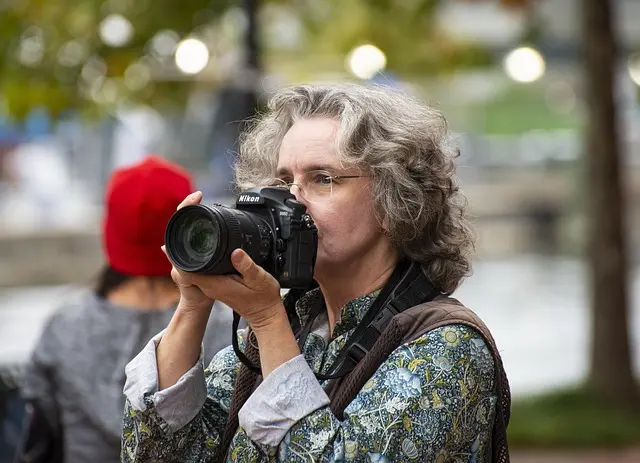
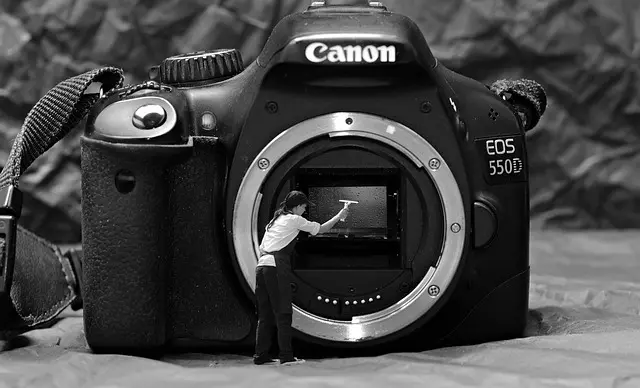
Starting with the right equipment is crucial for aspiring photographers. You don’t need the most expensive camera to begin; a good DSLR or mirrorless camera with manual settings can suffice. Brands like Canon, Nikon, and Sony offer beginner-friendly options that don’t break the bank. As you progress, you can invest in more advanced gear. For instance, consider lenses that suit different types of photography you wish to pursue—wide-angle lenses for landscapes or prime lenses for portraits can drastically improve your shots.
2. Understand the Basics of Composition
Composition is the backbone of great photography. Familiarize yourself with the rule of thirds, leading lines, and framing. These elements will help you create visually engaging images. Practice makes perfect; take a series of photos applying different rules and see which compositions resonate most. A study by Pexels in 2025 highlighted that well-composed images receive 30% more engagement on social media.
3. Master Lighting Techniques
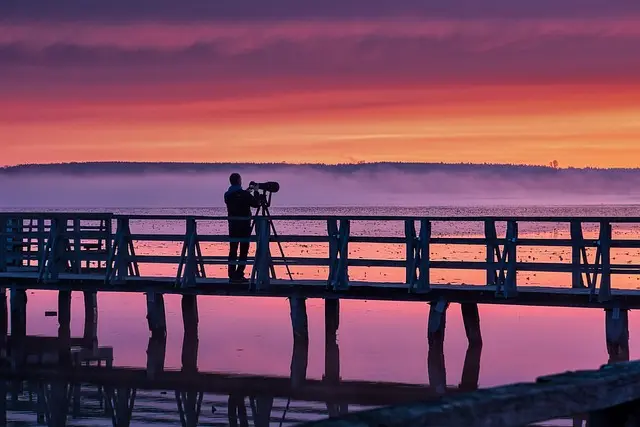
Lighting can make or break a photograph. Natural light offers a soft glow that's perfect for many types of shooting. Learn to work with the golden hour—shortly after sunrise or before sunset—when the light is warm and flattering. Experiment with backlighting and silhouettes as well. Don’t forget about artificial lighting; understanding how to manage flash can greatly enhance your indoor photography skills.
📺 For further learning: Understanding Lighting in Photography, explore in-depth techniques. Search on YouTube: "understanding photography lighting techniques".
4. Study Different Styles
Every photographer develops a unique style over time. To kickstart your photography journey, explore various styles such as portrait, landscape, street, and wildlife photography. Follow photographers whose work you admire, and analyze their techniques. Participate in workshops or online courses to gain exposure to different perspectives. Such diversity will help you discover what resonates with your narrative style.
5. Practice, Practice, Practice
There's a saying among photographers: the best camera is the one you have with you. Make it a habit to take pictures regularly. Create a photo-a-day challenge or document your life through a photo journal. This practice not only sharpens your technical skills but also enhances your creativity. According to Fstoppers, consistent practice leads to noticeable improvement in skills within just a few months.
6. Join a Photography Community
Joining a photography community—whether online or local—provides invaluable feedback and support. Sites like Flickr, Instagram, and specialized forums allow you to connect with fellow enthusiasts. Participate in contests or group challenges to motivate yourself, and share your work for constructive critique. Community engagement can enhance your network and provide collaboration opportunities that enrich your photography journey.
7. Learn Editing Software
Post-processing is an integral part of modern photography. Tools like Adobe Lightroom and Photoshop cater to every skill level and can drastically enhance your images. Start with simple adjustments in exposure, contrast, and color balance. Many photographers emphasize that learning to edit is just as important as knowing how to take a good picture, as it allows you to present your creative vision accurately.
8. Experiment with Different Techniques
Don’t shy away from experimenting with different techniques such as long exposures, HDR, or macro photography. Understanding these can give you a competitive edge. For instance, practicing long exposures in low-light conditions can result in stunning shots like star trails or smooth water surfaces. Explore tutorials online to effectively grasp these techniques.
9. Build a Portfolio
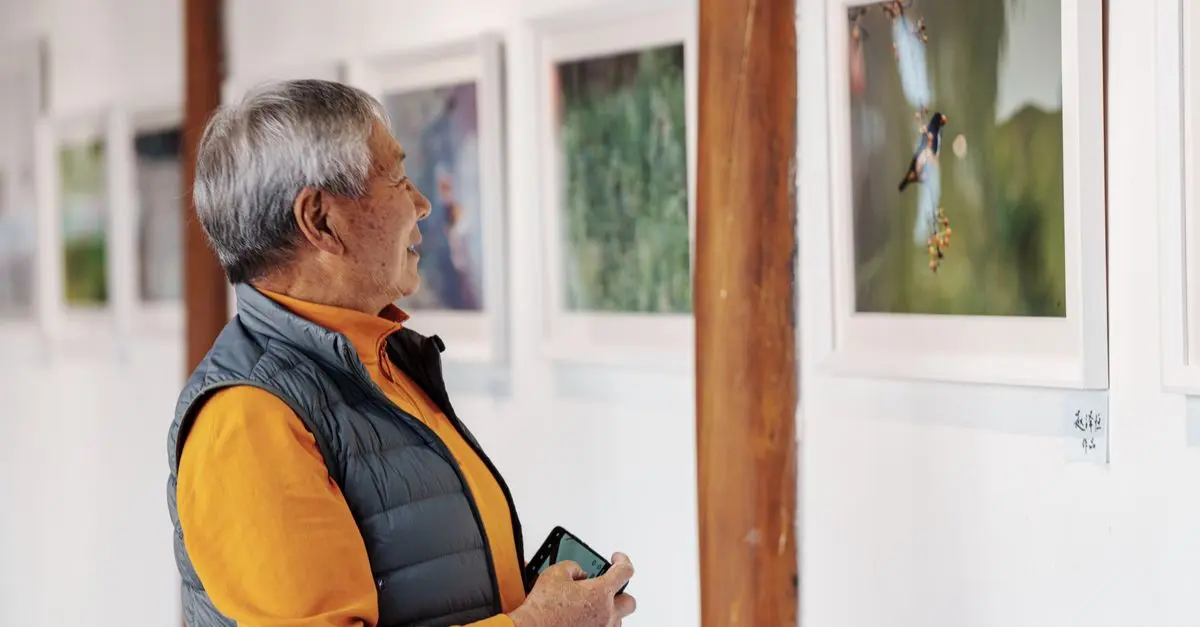
As you cultivate your skills, start building a professional portfolio. Select your best work that showcases your versatility and style. This portfolio will serve as a crucial tool for showcasing your talent to potential clients or galleries. Websites like Squarespace or Wix offer user-friendly ways to create an attractive and professional online presence without advanced technical skills.
10. Don't Fear Feedback
Learning to accept feedback is vital for improvement. Share your work with trusted friends, family, or mentors who can provide constructive criticism. It's essential to remember that every photographer goes through this stage. Take the feedback positively and use it to guide your growth. Engaging with critics can offer new insights that help refine your skills and aesthetic.
Conclusion
Embarking on your photography journey can be incredibly fulfilling. By following these tips, you can kickstart your learning experience effectively, develop your skills, and explore new creative avenues. Remember to practice consistently, engage with communities, and embrace feedback as part of your evolution as a photographer.
📘 Checklist before starting your photography journey
- [ ] Invest in a suitable camera
- [ ] Learn composition basics
- [ ] Experiment with natural and artificial lighting
- [ ] Explore various photography styles
- [ ] Join photography communities for support
- [ ] Practice shooting regularly
- [ ] Familiarize with editing software
- [ ] Compile a portfolio of your best work
- [ ] Engage with feedback for growth
Glossary
| Term | Definition |
|---|
| Aperture | The opening in a lens that controls the amount of light entering the camera. A lower f-number means a larger aperture, allowing more light.
| ISO | A measure of a camera sensor's sensitivity to light. Higher ISO can be beneficial in low light but may introduce noise.
| Shutter Speed | The duration for which the camera's shutter is open. It affects the exposure and motion blur in photos.
🧠 Quick Quiz: Which basic camera setting controls exposure?
- A) Aperture
- B) ISO
- C) Shutter Speed
Answer: A — All three settings contribute to exposure, but aperture directly controls the light entering the camera.
📺 Pour aller plus loin : understanding photography lighting techniques sur YouTube