Table of Contents (15 sections)
Photography is not just about clicking a button; it’s an intricate art form that requires practice, creativity, and a keen eye. In this article, we will explore 10 tips to effectively develop your photography skills. Whether you're a beginner wanting to expand your knowledge or an experienced photographer aiming for mastery, these tips will provide you with valuable insights for enhancing your craft.
1. Understand Your Equipment
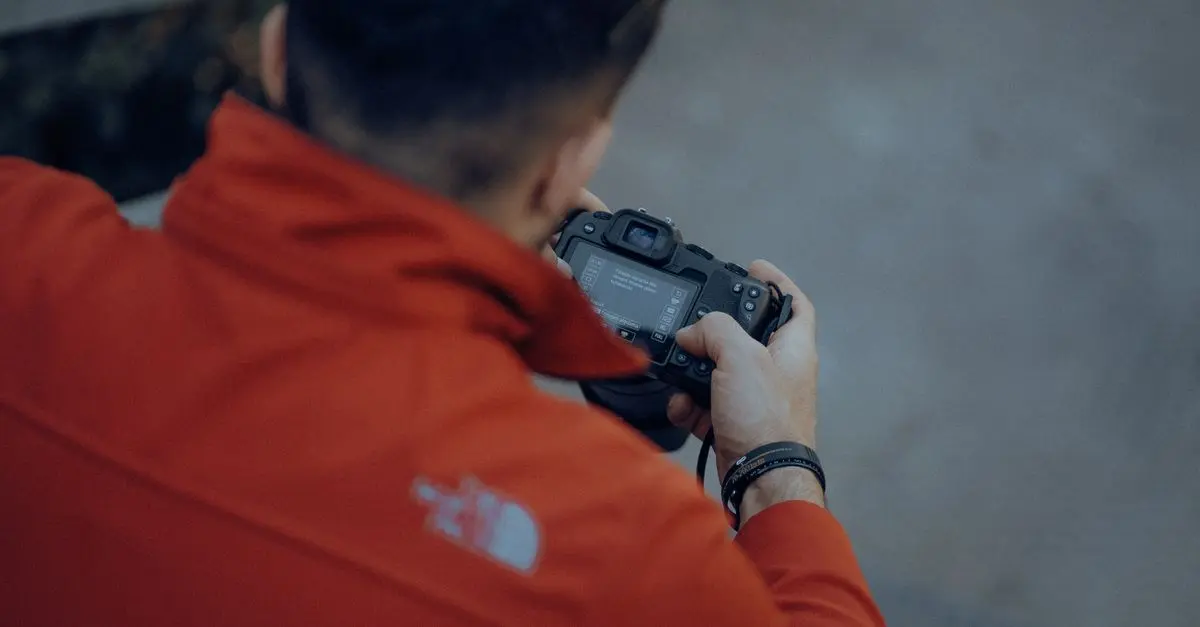
Knowing your camera and its settings is crucial to developing photography skills. Spend time grasping the fundamentals, such as shutter speed, aperture, and ISO. Each of these settings can drastically affect the outcome of your photos. For instance, a higher ISO can help in low-light situations, but it might introduce noise. According to the website Photography Life, understanding these basics will help you make informed decisions and lead to better photography.
💡 Expert Tip: Read the manual of your camera! It may seem tedious, but it’s essential to familiarize yourself with all its features and capabilities.
2. Practice Regularly
The old adage "practice makes perfect" rings especially true in photography. The more you shoot, the better you will understand light, composition, and timing. Make it a habit to carry your camera or smartphone with you and experiment with different settings and techniques. W. Eugene Smith, a legendary photojournalist, emphasized that consistent practice is integral for improvement. Set a personal challenge, like a photo a day for a month, to help build your skills and portfolio.
3. Study Composition Techniques
Understanding composition is fundamental to creating eye-catching images. Techniques like the Rule of Thirds, leading lines, and framing can make a massive difference in your photos. For example, the Rule of Thirds suggests dividing your image into a 3x3 grid and placing key elements along those lines. The Tutorial Blog provides great visual examples that depict how different compositions can alter the viewer’s interpretation of a photograph.
Example Composition Techniques:
- Leading Lines: Draw the viewer's eye into the frame naturally.
- Framing: Use natural or architectural elements to frame your subject.
4. Experiment with Different Styles
Don’t limit yourself to one genre of photography. Experiment with landscape, portrait, street photography, or even macro. Each style offers unique challenges and learning opportunities. According to Fstoppers, trying various styles can lead to unexpected creativity and less predictable compositions. You might discover a hidden passion for a certain type of photography!
5. Learn to Edit Your Photos
Post-processing is an essential skill for photographers. Understanding how to edit your images can elevate your work significantly. Tools like Adobe Lightroom and Photoshop offer powerful capabilities to correct exposure, enhance colors, and apply creative effects. There are numerous online tutorials to get you started, which can help transform an average photo into something extraordinary. PetaPixel has an excellent round-up of editing tutorials that are perfect for photographers at any level.
6. Join a Photography Community
Being part of a photography community can offer motivation and constructive feedback. Participate in online forums, local meetups, or social media groups that focus on photography. Websites like 500px or even a local camera club can provide you with valuable peer support and networking opportunities.
💡 Expert Tip: Engaging with other photographers can expose you to different perspectives and techniques, fostering growth.
7. Utilize Social Media for Inspiration
Platforms like Instagram and Pinterest can be goldmines for inspiration. Follow photographers whose work resonates with you, and analyze why their images appeal to you. Pay attention to light, composition, and post-processing. Engaging with visual content can fuel your creativity and encourage you to try new things in your own photography.
8. Set Photography Goals
Setting specific, measurable goals can direct your learning and skill development. For example, you might aim to master night photography within three months or improve your portrait skills by practicing with friends. Establishing sponge goals will help keep you on track and can motivate you to measure your progress. According to a study by American Psychological Association**, writing down goals can increase your chance of achieving them significantly.
9. Analyze Your Work
After every shooting session, take the time to review and critique your photos. What worked well? What could be improved? Utilizing feedback from trusted peers or photography communities can provide you with fresh insights and perspectives. This self-analysis can be pivotal in understanding your growth and areas needing improvement.
10. Take a Class or Workshop
Investing in yourself through classes or workshops can be one of the best ways to enhance your photography skills. Hands-on learning with professionals can provide guidance and knowledge tailored to your level. Look for workshops in your local area or consider online courses. MasterClass and Skillshare offer classes taught by renowned photographers that can help you refine your techniques.
📺 Resource Video
> 📺 For deeper insights: Discover the art of captivating photography through effective techniques. Search on YouTube: photography tips to improve skills
Checklist before starting your photography journey
- [ ] Understand your camera settings
- [ ] Practice shooting regularly
- [ ] Master composition techniques
- [ ] Experiment with different styles
- [ ] Learn photo editing techniques
- [ ] Join a photography community
- [ ] Use social media for inspiration
- [ ] Set clear photography goals
- [ ] Analyze your work consistently
- [ ] Enroll in classes or workshops
Glossary
| Term | Definition |
|---|---|
| Aperture | The opening in a lens that controls the amount of light hitting the sensor. |
| ISO | The sensitivity of your camera's sensor to light, affecting brightness and noise. |
| Shutter Speed | The amount of time the camera shutter is open to expose light to the sensor. |
> 🧠 Quick Quiz: What is the Rule of Thirds in photography?
> - A) A way to minimize distractions.
> - B) A technique to organize elements.
> - C) A method for editing images.
> Answer: B — The Rule of Thirds suggests placing subjects along grid lines for balanced composition.
📺 Pour aller plus loin : how to improve your photography skills 2026 sur YouTube