Table of Contents (14 sections)
Becoming a photographer is more than just taking pretty pictures; it involves a deep understanding of the craft, the art, and the business behind it. Whether you're a hobbyist looking to turn a passion into a profession or someone seeking to refine your skills, this guide will walk you through the essential steps to succeed.
1. Understand the Fundamentals of Photography
Before diving into the world of professional photography, it’s crucial to grasp the fundamentals. This includes learning about exposure, aperture, shutter speed, and ISO. Understanding how these elements interact is vital for capturing stunning images. For example, mastering the exposure triangle can help you control light effectively, which is a major factor in photography. Consider taking a foundational course or workshop to build these skills.
2. Identify Your Niche
Photography is a vast field encompassing various niches like portrait, landscape, wildlife, and event photography. Identifying your niche is crucial because it allows you to focus your efforts. Research and explore different types of photography to discover which resonates with you. This will help you to build a portfolio that showcases your strengths. According to a survey by PhotoShelter, 42% of photographers reported that specializing helped them secure more clients.



3. Invest in Quality Equipment
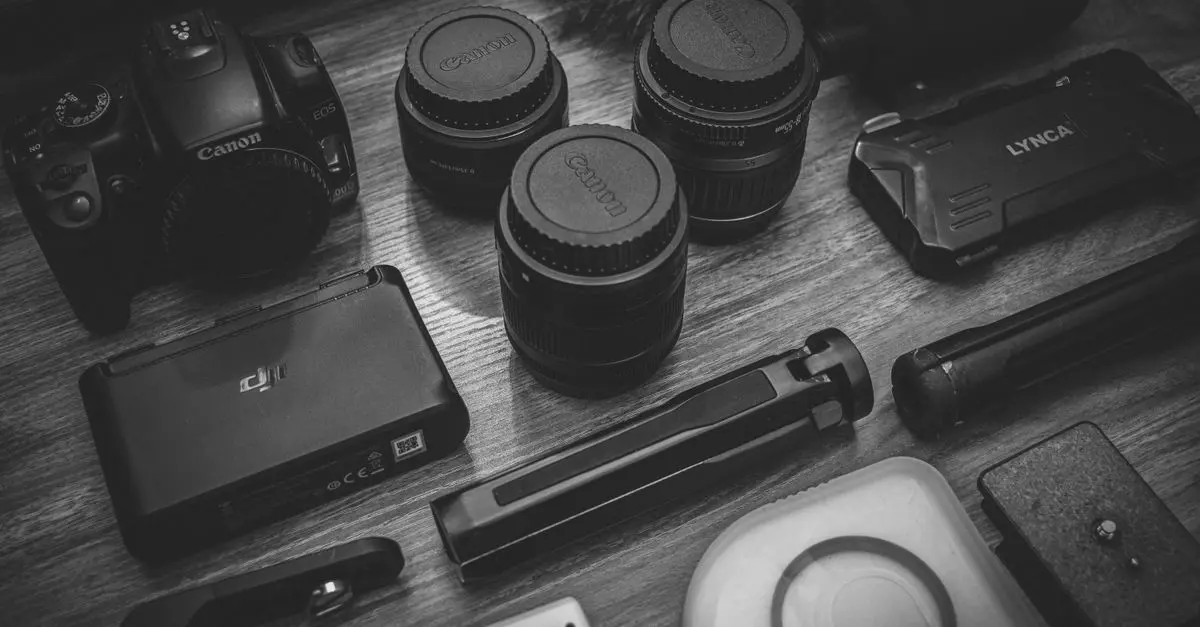
Having the right tools can make a significant difference in your photography. While you don’t need to have the most expensive gear, investing in a quality camera and lenses suited to your niche is important. For instance, if you're interested in portrait photography, a prime lens could be advantageous. As you progress, you may want to explore additional accessories like tripods and lighting equipment. To assist you, we've selected several products that cater to aspiring photographers in our recommendations below.
4. Build a Strong Portfolio
Your portfolio is your calling card in the photography world. It should reflect your style and the niche you want to pursue. A well-curated portfolio can help you attract clients and job opportunities. You can start by taking projects for friends or family, or do some volunteer work. Platforms like Adobe Portfolio or Squarespace can help you showcase your work professionally. Remember, quality over quantity should be your motto when developing your portfolio.
5. Promote Yourself
In today's digital age, self-promotion is critical. Set up a website or a blog to showcase your portfolio, share your experiences, and engage with potential clients. Utilize social media platforms like Instagram and Facebook to reach a larger audience. Consistent posting, engaging with followers, and using hashtags effectively can help get your work seen. Additionally, consider creating behind-the-scenes content that gives potential clients a glimpse into your process.
6. Network Within the Photography Community
Networking is a fundamental aspect of growing in any industry, and photography is no exception. Attend photography exhibitions, workshops, and events to connect with other photographers and potential clients. Join local photography clubs or online communities where you can share ideas and gain feedback. According to The Creative Group, 70% of jobs are secured through networking. Building relationships in the industry can lead to collaborations and recommendations that will benefit you in the long run.



7. Continue Learning and Evolving
The photography landscape is always changing with new techniques and technologies emerging frequently. To stay relevant, you should make a commitment to continual learning. Subscribe to photography blogs, follow tutorials, or take online classes on platforms like Skillshare or MasterClass. Engaging in continuing education not only sharpens your skills but also helps you adapt to changing trends in photography.
📺 To go further: 10 Tips for New Photographers, a comprehensive guide to starting your journey. Search on YouTube: "how to begin your photography career 2026".
Comparison Table
| Criterion | Option A: DSLR | Option B: Mirrorless | Option C: Film Camera | Verdict |
|---|---|---|---|---|
| Image Quality | High | Very High | Good | Mirrorless is the best. |
| Weight | Heavy | Lightweight | Moderate | Mirrorless is easiest to carry. |
| Lens Compatibility | Wide Range | Excellent | Limited | DSLRs have the most choices. |
| Price | Variable | Variable | Generally Cheaper | Price depends on brand. |
Glossary
| Term | Definition |
|---|---|
| Aperture | The opening in a lens that allows light to pass through. |
| ISO | A measure of a camera's sensitivity to light. |
| Shutter Speed | The duration for which the camera's shutter is open. |
Checklist before becoming a photographer
- [ ] Understand photography fundamentals
- [ ] Identify your niche
- [ ] Invest in quality equipment
- [ ] Build a strong portfolio
- [ ] Promote yourself effectively
- [ ] Network with the photography community
- [ ] Commit to continued learning
Conclusion
Embarking on the journey to become a photographer requires dedication, creativity, and a willingness to learn. By following these essential steps, you can navigate your path towards success in the field. Don't forget that every photographer's journey is unique, so embrace your individuality and keep striving for improvement.
💡 Expert Opinion: According to UFC-Que Choisir, the satisfaction rate among professional photographers is significantly linked to their continuous development and networking efforts. By actively engaging in your craft and community, you're likely to achieve greater success and fulfillment in your photography career.
📺 Pour aller plus loin : how to begin your photography career 2026 sur YouTube
Recommended products
Selected by our experts