Table of Contents (14 sections)
Photography is an art, a profession, and a passion for many. Whether you're just starting or looking to refine your skills, understanding how to become a photographer requires attention to detail and commitment. This guide will cover ten practical steps that can help you embark on your photography journey.
1. Understand the Basics of Photography
Starting your photography journey begins with a solid understanding of the fundamentals. This means grasping the exposure triangle, which consists of aperture, shutter speed, and ISO. Each component interacts; for example, a larger aperture (lower f-stop number) allows more light in, making it critical for low-light situations. Familiarize yourself with composition techniques like the rule of thirds and leading lines to enhance your photographs. Additionally, studying various genres of photography, such as portrait, landscape, and street photography, can help you find your niche. Engage with online resources like tutorials and photography blogs to enhance your knowledge.
2. Choose the Right Equipment
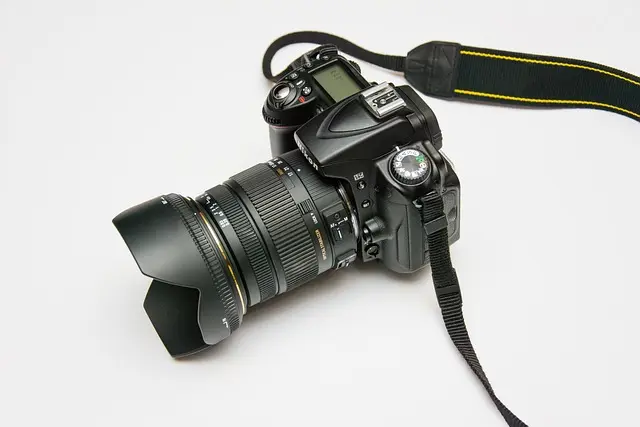
Before you dive deep into photography, assess what equipment aligns with your goals. Start simple: a DSLR or a mirrorless camera is often recommended for beginners. The quality of the lens significantly impacts your photographs; invest in good quality lenses that suit your style. For instance, a prime lens with a wide aperture is ideal for portraits, while a wide-angle lens is great for landscapes. Remember, however, that equipment is only as good as the person operating it. Avoid the common pitfall of believing that expensive gear automatically makes you a better photographer.
3. Practice Regularly
Practice is crucial. Make it a point to shoot photos daily or weekly, experimenting with different settings and styles. Set specific projects for yourself. For example, capture one subject in various lighting conditions or focus on a specific theme, such as urban life or nature. Join local photography clubs or online communities to share your work and receive constructive criticism. According to photography experts, the best way to improve is to get out there and shoot as much as possible.
4. Study Photography Techniques and Styles
Expand your knowledge by studying advanced techniques and distinct styles within photography. Techniques like long exposure and HDR (High Dynamic Range) photography are worth mastering. Street photography, for instance, requires different skills compared to studio work. Attend workshops and online courses on specific topics that interest you. Books by renowned photographers or manuals can provide inspiration and technical insights. Capture images that resonate with your personal style, and don't hesitate to experiment; sometimes the best shots come from mistakes and unexpected results.
📺 For Further Study:
> Explore various photography techniques, covering genres from candid shots to portrait photography. Look for videos on YouTube by searching: "discover advanced photography styles 2026."
5. Build a Portfolio
As you accumulate images, start curating your portfolio. This collection should showcase your best work and reflect your personal style. When potential clients or employers review your portfolio, they should get an immediate sense of your capabilities and artistic vision. Platforms like Adobe Portfolio or Squarespace can help you create a professional-looking website. Consider including various subjects, styles, and techniques. A strong portfolio demonstrates not only your technical skills but also your ability to tell stories through images. Utilize social media platforms like Instagram to showcase your work and engage with other photographers.
6. Understand the Business of Photography
If you aspire to turn photography into a full-time job, it's essential to grasp the business aspects. Learn about pricing your services, marketing, and client relations. Research market rates in your area for various types of photography services. Developing a distinct brand presence, either through a website or social media, can greatly increase your visibility. Networking is also crucial; join local photography associations and attend conventions. Understand the importance of contracts and insurance, which can protect both your business and your clients.
7. Seek Feedback and Critique
Continuous improvement is key to becoming a skilled photographer. Join workshops or groups where you can display your work and receive feedback. Online platforms provide opportunities for critique as well. Engaging with constructive criticism allows you to see your work from a different perspective. Don’t take criticism personally; instead, use it as a learning experience. According to professionals, feedback can highlight blind spots in your work and illuminate areas for growth.
8. Stay Updated with Industry Trends
Photography is an ever-evolving field. To stay ahead, continually seek inspiration and knowledge about the latest trends. Follow photography blogs, subscribe to industry magazines, and participate in photography forums. This commitment will help you adapt your techniques to current trends and technologies. Additionally, consider following influential photographers on social media platforms who can inspire and challenge your creative boundaries.
9. Specialize in Your Niche
As you sharpen your skills and gain experience, consider specializing in a niche. Specialized photographers, such as wedding, fashion, or wildlife photographers, often find more clients and can command higher rates. Tailor your marketing efforts and portfolio to reflect your chosen niche. Becoming an expert in a specific style or genre can help you stand out in a saturated market.
10. Never Stop Learning
Photography is not just a skill, but rather an ongoing journey of learning. Take time to explore different areas within photography, including editing techniques in Lightroom or Photoshop. Attend photography exhibitions, engage with other artists, and continue taking courses. Remember to keep your creative spirit alive; this enthusiasm will resonate in your work. As you dedicate time to grow and learn, your photography will evolve.
Checklist Before You Start Your Photography Journey
- [ ] Understand the exposure triangle (aperture, shutter speed, ISO)
- [ ] Choose suitable camera equipment
- [ ] Establish a regular practice schedule
- [ ] Study various photography techniques
- [ ] Create a strong portfolio
- [ ] Learn about photography as a business
- [ ] Seek feedback on your work
- [ ] Keep updated with industry trends
- [ ] Consider specializing in a niche
- [ ] Commit to lifelong learning
Glossary
| Term | Definition |
|---|---|
| Aperture | The opening in a lens that controls how much light enters. |
| Shutter Speed | The length of time a camera's shutter is open to expose light. |
| ISO | The sensitivity of your camera's sensor to light. |
> 🧠 Quick Quiz: What is the most important factor in lens selection for a specific photography style?
> - A) Price
> - B) Aperture size
> - C) Camera model
> Answer: B — Aperture size affects depth of field and light capture, essential for various styles.
📺 Pour aller plus loin : discover advanced photography styles 2026 sur YouTube
Recommended products
Selected by our experts

Pai Skincare All Becomes Clear
thedetoxmarket.com
This skincare product is ideal for photographers who work outdoors and need to maintain healthy skin, especially under varying conditions.