Table of Contents (15 sections)
Embarking on your journey as a photographer is an exciting venture filled with creativity and potential. Photography not only captures moments but also tells stories, evokes emotions, and allows you to express yourself uniquely. Whether you're snapping casual photos with your smartphone or planning to invest in professional gear, these tips to start photography will guide your growth and help you discover your unique photographic style.
1. Understand the Basics of Photography
To truly excel in photography, you must grasp its fundamental concepts. Exposure, aperture, and shutter speed are the cornerstones of capturing images. Exposure determines how much light reaches your camera's sensor, affecting brightness and clarity. Aperture controls the depth of field, influencing the focus area in your shots. Shutter speed governs how long the shutter stays open to capture light. Familiarizing yourself with these elements will lay a solid foundation for your skills. Consider practicing by adjusting these settings on your camera or smartphone to see their effects. Remember, knowledge is power, and the more you understand these basics, the better your photographs will be.
2. Invest in the Right Equipment
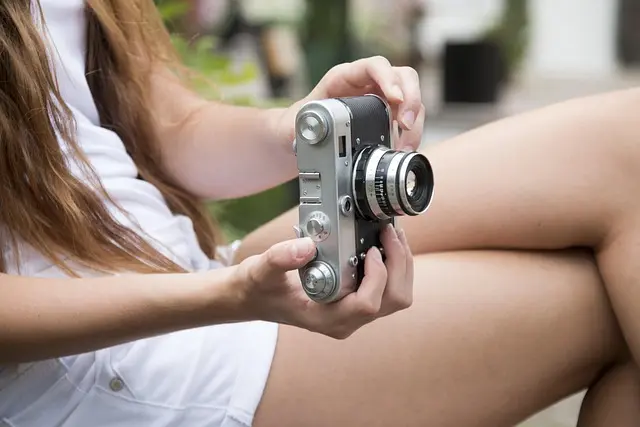
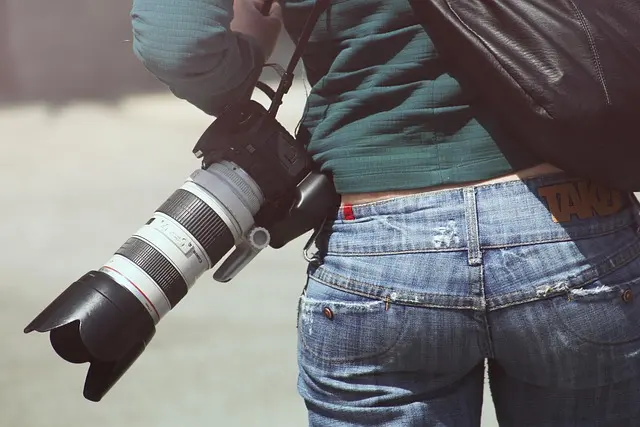
When starting, it's essential to have the right tools. While it might be tempting to splurge on high-end cameras, numerous budget-friendly options offer excellent quality. Digital Single-Lens Reflex (DSLR) or mirrorless cameras are popular choices for budding photographers due to their versatility. Additionally, consider investing in a sturdy tripod for stability, especially during low-light environments. As you hone your skills, you can gradually upgrade your equipment. We've selected several products below that can support your journey.


HP - Panorama Instant Label Printer & Photo Printer Starter Bundle - Gray
bestbuy.com
3. Experiment with Different Styles and Genres
Photography is an art form with endless possibilities. From portrait photography to landscapes and street photography, experimenting helps you discover what resonates with you. Spend weekends wandering through parks, or bustling city streets, or exploring natural landscapes with your camera in hand. Capture the essence of your surroundings and pay attention to what intrigues you the most. Over time, your unique style will emerge, distinguishing your work from others.
4. Learn Post-Processing Techniques
Editing is where the magic happens. Once you've captured your images, using post-processing software can elevate your photographs from ordinary to extraordinary. Tools like Adobe Lightroom or Photoshop allow you to enhance colors, adjust exposure, and crop images. Online tutorials are available to help you learn these programs effectively. Remember, the aim of editing is not to alter the truth of the image but to enhance its story and aesthetic appeal.
5. Take Advantage of Natural Light
Lighting can make or break a photograph. Natural light, especially during the golden hours (early morning and late afternoon), provides a beautiful soft glow, ideal for many photography styles. Learn to observe how light behaves at different times of the day and adapt your shooting schedule accordingly. Shadows can also add depth and drama to your images, so don't shy away from them.
6. Build a Portfolio and Online Presence
As you accumulate impressive shots, start building your portfolio. A well-curated portfolio showcases your best work and helps attract potential clients or collaborators. Additionally, craft an online presence by sharing your photos on social media, photography blogs, or personal websites. Platforms like Instagram or 500px are perfect for exhibiting your craftsmanship while connecting with fellow photographers and enthusiasts.

7. Seek Out Feedback and Community Engagement
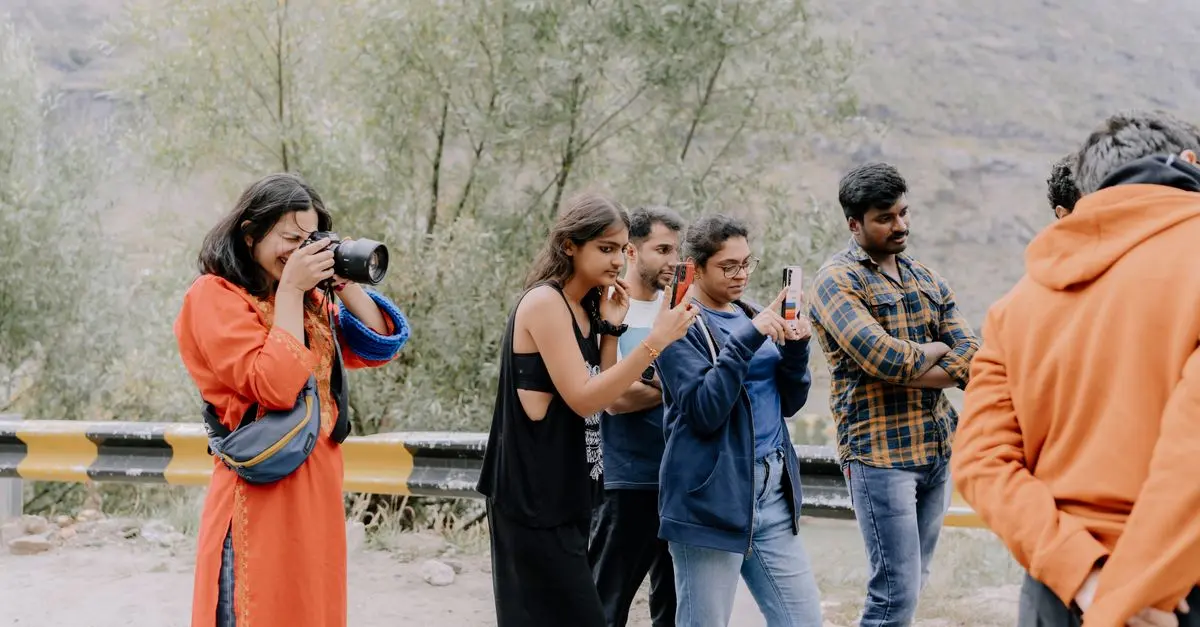
Joining photography communities can significantly impact your growth. Engage with fellow photographers on forums, attend local meetups, or participate in workshops. Constructive criticism from peers can provide essential insights to refine your skills. Feedback is invaluable, and learning from others' experiences can guide your artistic journey. Plus, being part of a community can keep you motivated and inspired.
8. Practice Consistently
The saying “practice makes perfect” holds especially true in photography. Set aside time every week to practice shooting. This routine not only helps reinforce your learning but also builds muscle memory for camera settings and compositions. Challenge yourself with assignments such as taking pictures of a specific object or capturing emotions of people in various settings.
9. Stay Inspired by Other Photographers
Inspiration fuels creativity. Follow accomplished photographers and pay attention to their work. Analyze what makes their style appealing and try to incorporate those elements into your photos. However, ensure that your inspiration acts as a guide rather than a template. Your unique perspective is what will ultimately define your photography.
10. Never Stop Learning
The world of photography is ever-evolving, with new techniques and trends emerging constantly. Stay updated by reading articles, watching tutorials, and attending workshops or exhibitions when possible. Investing in your education sustains your growth as a photographer. Remember, no one knows everything, and embracing a growth mindset is crucial for your development.
📺 Resource Video
[Explore the Essentials of Photography for Beginners], a comprehensive guide to all you need to start. Search on YouTube: "photography basics for beginners 2026".
Checklist Before Starting Your Photography Journey
- [ ] Understand the basics of photography: exposure, aperture, shutter speed.
- [ ] Invest in essential equipment like a DSLR or mirrorless camera.
- [ ] Experiment with various photography styles and genres.
- [ ] Learn post-processing techniques to enhance your images.
- [ ] Utilize natural light for stunning photographs.
- [ ] Build a professional portfolio and an online presence.
- [ ] Engage with photography communities for feedback and support.
- [ ] Practice shooting regularly to improve skills.
- [ ] Follow inspirational photographers to gain new insights.
- [ ] Commit to lifelong learning in the field of photography.
Glossary
| Term | Definition |
|---|---|
| Exposure | The amount of light that reaches the camera sensor, affecting image brightness. |
| Aperture | An opening in the camera lens that controls light entry and depth of field. |
| Shutter Speed | The duration the camera's shutter stays open to allow light for capturing the image. |
---
📺 Pour aller plus loin : photography basics for beginners 2026 sur YouTube
Recommended products
Selected by our experts

HP - Panorama Instant Label Printer & Photo Printer Starter Bundle - Pink
bestbuy.com


StarTech.com - Vertical Dual Monitor Stand, Heavy Duty Steel, Monitors up to 27" (22lb/10kg), Vesa Monitor, Computer Monitor Stand - Black
bestbuy.com
StarTech.com - Vertical Dual Monitor Stand, Heavy Duty Steel, Monitors up to 27" (22lb/10kg), Vesa Monitor, Computer Monitor Stand - Black
bestbuy.com