Table of Contents (16 sections)
Starting your photography journey can be thrilling yet daunting. With the rise of technology and various platforms, more people than ever are picking up cameras. However, as with any creative endeavor, aspiring photographers often make common mistakes that can hinder their growth and discourage them from pursuing their passions. In this article, we'll highlight 10 mistakes to avoid in photography to help you build a solid foundation and enjoy your artistic journey.
1. Underestimating Equipment Basics
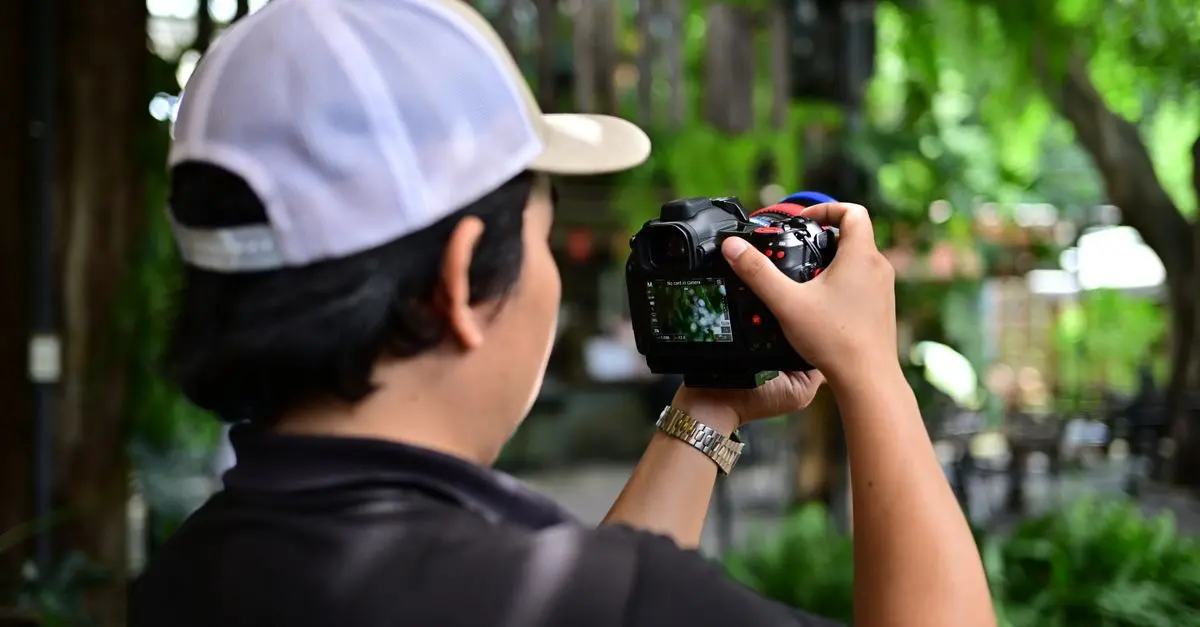
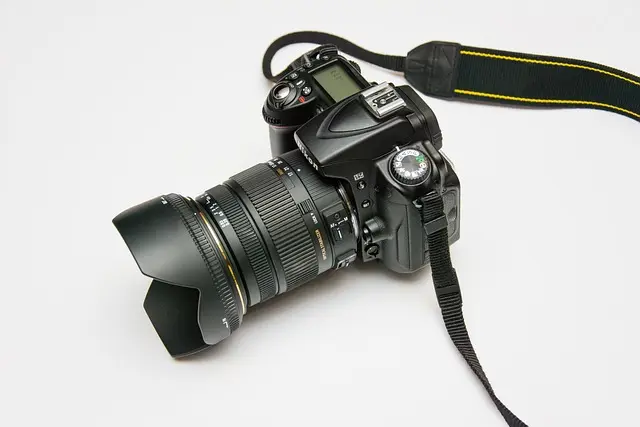
Many beginners think that high-end cameras alone make great photographs. However, this belief can lead to disappointment. Understanding your camera's settings—aperture, shutter speed, ISO—and how they interact is crucial. For instance, using a wide aperture can create beautiful bokeh effects, while a higher ISO might be necessary for low-light scenarios. According to UFC-Que Choisir, many new photographers overlook their camera manuals, missing out on invaluable knowledge. Take the time to explore your camera's features and experiment to understand them fully.
2. Ignoring Composition Techniques
Composition is key in photography. Beginners often snap pictures without considering the arrangement of elements within the frame. Techniques such as the rule of thirds, leading lines, and framing subjects can significantly enhance your photographs. For instance, placing points of interest along the lines defined by the rule of thirds can create a more balanced and engaging image. Understanding these techniques can help you capture more compelling visuals.


6inch USB LED Video Light Dimmable Ring Lamp for Photography Selfie Live Studio
Darty FR
3. Not Practicing Enough
Photography is a skill cultivated over time through practice. Many beginners expect instant results after a few shoots, leading to frustration. Regularly practicing different techniques, experimenting with styles, and stepping out of your comfort zone can be incredibly beneficial. Photography workshops, local photography groups, or online communities can provide constructive feedback and support to accelerate your learning process.
4. Relying Solely on Auto Mode
Auto mode can be a crutch for beginners, but relying on it limits your creative potential. Understanding manual settings gives you control over your photos, allowing for creativity and personalization. For instance, adjusting exposure compensation in challenging lighting situations can lead to stunning results. Transitioning from auto mode to manual may be intimidating at first, but practicing with your camera will build your confidence and skills.
5. Compare with Peers Unfairly
In the age of social media, it's easy to compare your work to professionals and others on platforms like Instagram. This can create feelings of inadequacy and hinder your growth. Instead, view comparisons as motivational opportunities. Break down what you admire in others' work and learn from it. Setting personal goals, rather than measuring your journey against others, can lead to more fulfilling progress.
6. Overlooking the Importance of Lighting
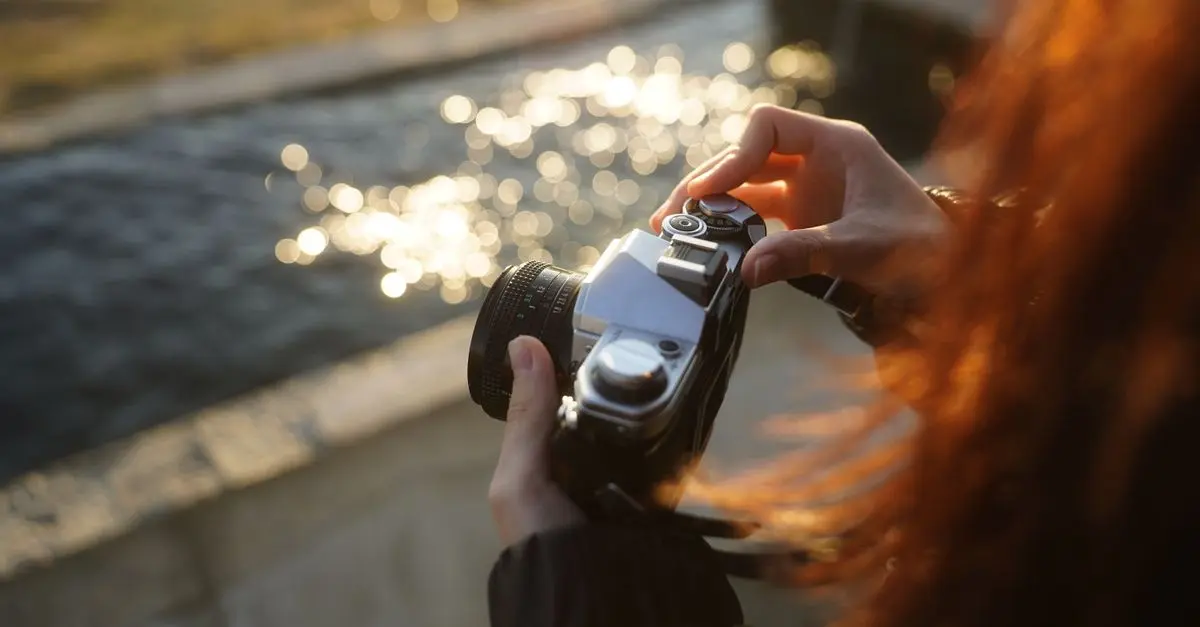
Lighting is one of the most crucial aspects of photography. Many beginners overlook natural light and fail to recognize its impact on their images. Whether it’s the golden hour glow or dramatic shadows at noon, different lighting can evoke various moods. For example, shooting during the golden hour can enhance colors and create soft shadows. Experiment with shooting at different times of the day to see how lighting changes the outcome.
7. Failing to Edit Photos
Editing is an essential part of modern photography. While some might argue that good photos don't need editing, every professional edits their work to some extent. Beginner photographers often neglect this step, which can diminish the final quality of their images. Tools like Lightroom and Photoshop allow for adjustments in exposure, color correction, and cropping, making your photos pop. Investing time in learning these skills can elevate your photography.
8. Not Backing Up Work
One of the gravest mistakes any photographer can make is failing to back up their photos. Losing precious memories or hard-earned shots due to a computer crash or forgotten memory card can be devastating. Regularly save your work in multiple locations—external hard drives, cloud storage, etc.—to ensure it’s secure. A workflow that includes consistent backups is essential in today’s digital age.
9. Disregarding Feedback
Receiving constructive criticism can be difficult, especially for beginners. However, disregarding feedback from mentors, peers, or professionals stunts your growth. Engaging with communities, seeking critiques, and being open to suggestions will help you identify areas for improvement. Remember, every photographer, including experts, continually learns and evolves through feedback.
10. Forgetting to Enjoy the Process
Lastly, many aspiring photographers become so focused on technicalities and results that they forget to enjoy the art of photography. The joy of capturing moments, experimenting with creative ideas, and exploring the world can be incredibly rewarding. Give yourself permission to make mistakes and learn from them rather than striving for perfection.
📺 Resource Video
> 📺 For further learning: Explore various photography tips and techniques by searching on YouTube: best photography tips for beginners 2026.
Checklist before your first photography project
- [ ] Understand camera settings.
- [ ] Apply composition techniques.
- [ ] Practice regularly.
- [ ] Experiment with manual settings.
- [ ] Edit photos for enhancements.
- [ ] Backup images securely.
- [ ] Seek feedback from peers.
- [ ] Enjoy the creative process.
Glossary
| Term | Definition |
|---|---|
| Aperture | The opening in a lens that controls the amount of light entering the camera. |
| ISO | The sensitivity of your camera's sensor to light. Higher ISO is better for low light but might introduce noise. |
| Shutter Speed | The length of time the camera's shutter is open to expose light to the sensor. |
Recommended products
Selected by our experts
Gb-1 Utility Photography Belt Lens Pouches Case With 4 Metal D-rings
Darty FR
A utility belt helps keep essential photography gear organized and accessible during shoots.
6inch USB LED Video Light Dimmable Ring Lamp for Photography Selfie Live Studio
Darty FR
A dimmable ring lamp is perfect for enhancing lighting conditions, especially for portraits and selfies.