Table of Contents (14 sections)
Photography is both an art and a science, and mastering essential photography techniques is crucial for anyone looking to elevate their skills and creativity. Whether you are a budding enthusiast or a seasoned professional, understanding these key techniques can transform your approach to capturing moments. In this guide, we’ll explore ten essential photography techniques that every photographer should master.
1. Mastering Exposure
Exposure is fundamental to photography, as it determines how light or dark your image is. The exposure settings include Aperture, Shutter Speed, and ISO. Each affects the exposure differently:
- Aperture controls the size of the lens opening. A lower f-number allows more light, while a higher f-number produces a sharper image across the scene.
- Shutter Speed impacts how long the camera’s sensor is exposed to light. Faster speeds freeze motion, whereas slower speeds can blur moving subjects, creating artistic effects.
- ISO measures the sensor's sensitivity to light. A higher ISO can produce grainier images but allows for shooting in lower light.
Understanding how to balance these three elements is essential for achieving the desired exposure in your photographs. This triad is often referred to as the exposure triangle, and mastering it is vital to any photographer’s toolkit.
2. Understanding Composition
The composition of a photograph can make or break an image. Key rules, such as the Rule of Thirds, lead to engaging compositions. By dividing your frame into thirds both horizontally and vertically, you can place points of interest along these lines or their intersections. This approach creates balance and helps to guide the viewer's eye.
Combining different compositional techniques like leading lines, framing, and symmetry can enhance your photographs significantly. For example, using natural lines or paths can draw the viewer into the photograph, creating a sense of depth. Learning to compose images skillfully can elevate your work, as it encourages thoughtful arrangement within the frame, leading to a more compelling photograph that resonates with viewers.
3. Utilizing Natural Lighting
Natural light is a photographer's best friend. Understanding the qualities of light—whether it’s hard or soft, warm or cool—can greatly affect your photographs. The golden hour, which occurs shortly after sunrise and before sunset, offers soft, diffused light that enhances colors and textures brilliantly.
When shooting outdoors, take the time to observe how light interacts with your subject. You can also use reflectors or diffusers to control light more effectively. These tools can bounce light back onto your subject, softening harsh shadows or adding brightness. Mastering natural light will enhance the emotional depth and aesthetic quality of your images considerably.
4. Exploring Depth of Field
Depth of field (DoF) refers to the zone of acceptable sharpness within an image. A shallow depth of field isolates your subject from the background, blurring distractions and focusing attention. This is often achieved with wider apertures (lower f-numbers). Conversely, a deeper depth of field captures more of the scene in focus, which is ideal for landscape photography.
Understanding DoF is critical for expressing artistic vision. A portrait photographer may prefer shallow DoF, while a landscape photographer typically seeks depth. Experimenting with depth of field in various situations will help hone your photographic style.
5. Learning Post-Processing Skills
Post-processing is an essential part of modern photography, allowing you to enhance your images after they are taken. Learning to use software like Adobe Lightroom or Photoshop can vastly improve your photos. Basic adjustments like contrast, brightness, crop, and color correction can elevate an image significantly. Understanding layers and masks in Photoshop can also help you create complex edits, bringing your creative concepts to life.
The key is to enhance your photography while maintaining a natural look; over-processing can detract from the image's integrity. Diving into the world of post-processing opens a realm of possibilities for creativity and expression.
6. Understanding White Balance
White balance (WB) controls the color temperature of your images, affecting how colors appear. Different light sources, such as tungsten or fluorescent, emit varying hues—causing images to take on a yellow or blue tint if left uncorrected. Understanding how to adjust white balance, either in-camera or during post-processing, is crucial for accurate color representation.
Using presets or manually adjusting WB can help achieve the desired effect. For instance, a warmer tint can convey warmth and intimacy, while a cooler tint can create a modern, detached feel. Mastering white balance aids photographers in evoking emotions and presenting their subjects authentically.
7. Experimenting with Different Perspectives
Changing your perspective can drastically alter the way an image is perceived. Instead of shooting at eye level, consider getting low to the ground for a dramatic upward shot, or explore bird’s-eye views to create a unique angle. Engaging with your environment and experimenting with various heights and distances can yield surprising results.
Additionally, incorporating foreground interest can create depth and context in your images, enhancing storytelling. The impact of perspective is profound; it encourages creativity and can lead to stunning photographs that stand out within the saturated photography landscape.
8. Using the Right Equipment
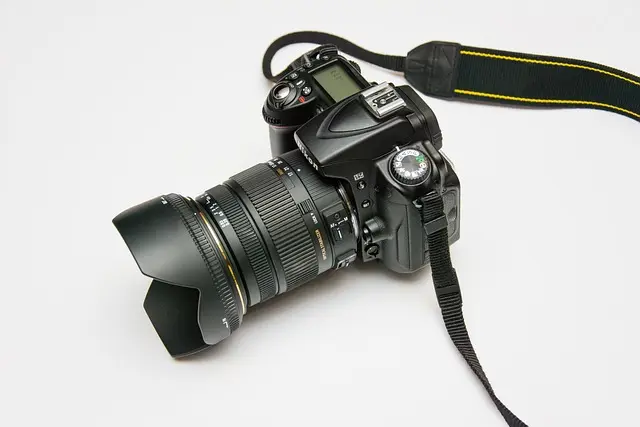
Understanding your equipment and its capabilities is crucial. Investing in quality lenses can make a substantial difference in image quality. Prime lenses often provide better sharpness and faster apertures compared to kits. Furthermore, learning about your camera settings and functionality—like burst mode for action shots or manual focus for precise aiming—can tremendously enhance your effectiveness as a photographer. Gear alone won’t make a great photograph, but knowing how to manipulate your tools effectively is key.
Comparison Table of Photography Gear Options
| Feature | Entry-Level Camera | Mid-Range Camera | Professional Camera | Verdict |
|---|---|---|---|---|
| Price | $500 - $800 | $800 - $1500 | $1500+ | Great for budgets |
| ISO Performance | Moderate | Good | Excellent | Consider usage |
| Lens Compatibility | Limited | Wide | Extensive | Upgrade options |
| Custom Settings | Basic | Enhanced | Fully Customizable | Best for experts |
9. Capturing Motion
Capturing motion effectively can tell powerful stories. Utilizing techniques such as panning during a moving subject creates a sense of dynamism; the subject remains in focus while the background blurs, conveying speed and direction. Conversely, freezing motion with high shutter speeds can capture fast action without blur.
Timing and anticipation are essential skills when it comes to capturing motion; waiting for the perfect moment can yield impressive images, whether it’s for sports, wildlife, or street photography.
10. Developing Your Personal Style
Ultimately, developing your unique photographic style is an overarching technique that ties everything together. Reflect on your interests, influences, and experiences to cultivate a style that resonates with you. Revisiting and modifying techniques you’ve learned can help you align your vision as a photographer. Assign personal projects or challenges to push creative boundaries.
By consistently refining your style, you cultivate a distinct body of work allowing your voice to shine through your photographs.
Checklist before Buying Equipment
- [ ] Research camera brands that suit your needs.
- [ ] Compare lens options for desired photography styles.
- [ ] Read reviews on essential camera features.
- [ ] Seek testimonials from experienced photographers.
- [ ] Ensure equipment compatibility with current gear.
Glossary
| Term | Definition |
|---|---|
| Aperture | The opening in a lens that regulates light entering the camera. |
| Shutter Speed | The duration the camera's sensor is exposed to light. |
| ISO | The level of sensitivity of your camera's sensor to light. |
> 📺 For further insights: How to Improve Your Photography Skills, a complete analysis on mastering photography techniques. Search on YouTube: "advanced photography skills 2026".
🧠 Quick Quiz: What effect does a wide aperture have on your photographs?
- A) Increases light, blurs background
- B) Reduces light, sharpens background
- C) No effect
Answer: A — A wider aperture allows more light in and blurs the background.
📺 Pour aller plus loin : photography techniques for beginners 2026 sur YouTube