Table of Contents (15 sections)
Starting your photography journey can be both exciting and daunting. With so many resources available, it’s important to streamline your approach. This article outlines 10 essential tips that will help you begin your exploration of photography effectively. Whether you are aiming to capture stunning landscapes or candid portraits, these strategies will set a solid foundation for your journey.
1. Understand the Basics of Photography
Before diving into photography, it’s crucial to grasp its fundamental concepts. Exposure, aperture, shutter speed, and ISO are the core components. Exposure refers to the amount of light that reaches your camera sensor; mastering this helps you create well-lit images. Aperture controls the opening of the lens, affecting the depth of field. Shutter speed determines how long your camera’s shutter is open, capturing motion details. Lastly, ISO measures the sensor's sensitivity to light and is essential for low-light situations. Understanding these basics allows you to manipulate them creatively and technically.
2. Choose the Right Camera Gear
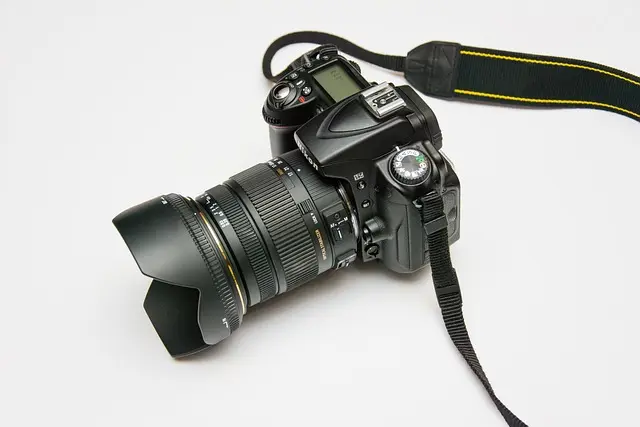
Your camera does not necessarily have to be the most expensive on the market. Start with what you can afford, and consider factors like lens quality and sensor size. Many beginners find that starting with a DSLR or mirrorless camera provides a good balance of features and value. As you advance, you may want to invest in additional gear, like special lenses or lighting equipment, to expand your capabilities.


3. Study Composition Techniques
Composition is key to creating visually compelling images. Rules such as the Rule of Thirds, leading lines, and framing can elevate your photography. The Rule of Thirds suggests dividing your frame into a 3x3 grid, placing the subject at the intersections. Leading lines guide the viewer’s eye through the image, while framing helps focus attention on the subject. Experiment with these techniques to develop an eye for how elements interact within your frame.
4. Experiment with Lighting
Lighting can drastically change the mood and impact of your photographs. Natural light is often preferred by beginners as it’s free and plentiful. Learn to work with different lighting conditions; for instance, the golden hour after sunrise and before sunset yields soft, warm light that enhances your images. Additionally, consider using reflectors, diffusers, or artificial lighting to manipulate the scene, creating depth and drama.
5. Practice Regularly
Becoming a skilled photographer requires time and practice. Set a schedule to shoot regularly, whether it's a few times a week or once a month. For instance, you might decide to dedicate weekends to exploring your local area, capturing landscapes or urban scenes. The more you shoot, the better you will understand your camera and your unique style. You could also join photography groups or workshops, where you can critique each other’s work and learn collaboratively.
6. Edit Your Photos
Editing can enhance your photography dramatically. Learning to use software like Adobe Lightroom or Photoshop allows you to refine your images in ways that highlight your vision. Basic tasks like adjusting brightness, contrast, and color temperature can improve a photo’s appeal. Take a moment to explore tutorials online; there, you can find countless resources that provide step-by-step guidance. Many photographers often advise maintaining a consistent editing style to create a signature look across your portfolio.
7. Create a Portfolio
As you begin to accumulate photographs, compile a portfolio to showcase your best work. A strong portfolio should reflect your style and versatility as a photographer. Be selective and include only your best images. Platforms like Flickr, 500px, or your personal website can be excellent places to start sharing your work. This not only helps track your progress but also serves as your calling card to potential clients or collaborators.
8. Seek Feedback
Don't hesitate to reach out for feedback. Join online communities or local photography clubs where you can share your work and receive constructive criticism. Feedback can illuminate new perspectives you might not have considered, helping to refine your skills further. Being open to critiques helps you grow as an artist. Additionally, learning to give feedback can also enhance your understanding of photography, as it forces you to analyze and articulate your preferences.
9. Stay Inspired
Photographers often experience creative blocks. To combat this, seek inspiration from various sources—books, artwork, films, or other photographers. Following renowned photographers on social media can fuel your creativity. Additionally, visiting galleries or exhibitions cultivates appreciation for diverse perspectives and styles. Remember, inspiration often leads to innovation; your unique spin on observed themes can help define your personal photography style.
10. Invest in Additional Gear Over Time
As you grow more comfortable in your photography skills, think about investing in more specialized gear. As your needs evolve, having the right equipment to cover various styles—like landscape versus portrait photography—becomes vital. Consider items like special lenses, external flash units, or even filters. However, remember that the best photos come from the photographer’s vision rather than just the equipment used.
Conclusion
Starting your photography journey is an exciting endeavor filled with discovery and creativity. By understanding the basics, practicing regularly, and seeking feedback, you set a solid foundation for future growth. Follow these essential tips to enhance your skills, and remember to enjoy the process as you develop your unique voice as a photographer.
Checklist before you start photography
- [ ] Understand the basics of exposure, aperture, shutter speed, and ISO.
- [ ] Choose a camera that fits your budget and needs.
- [ ] Learn about composition techniques.
- [ ] Experiment with different lighting conditions.
- [ ] Make time to practice regularly.
- [ ] Use editing software to enhance your images.
- [ ] Compile a strong portfolio.
- [ ] Seek and be open to feedback.
- [ ] Find sources of inspiration.
- [ ] Gradually invest in better gear as your skills improve.
Glossary
| Terme | Définition |
|---|---|
| Aperture | The opening in a lens that controls the amount of light entering the camera. |
| Exposure | The amount of light that reaches the camera sensor, affecting the brightness of the image. |
| ISO | A measure of a camera sensor’s sensitivity to light. |
> 🧠 Quiz rapide : What is the most crucial aspect of photography for beginners?
> - A) Price of the camera
> - B) Knowledge of camera settings
> - C) The type of lens used
> Réponse : B — Understanding your camera settings is essential for capturing the best images.
📺 Ressource Vidéo
For more insights, check out How to Start Photography for Beginners. Search on YouTube: how to start photography tips 2026.
📺 Pour aller plus loin : If I Started Photography From Scratch in 2026, I’d Do This sur YouTube
Recommended products
Selected by our experts
Polaroid I-2 Starter Set
polaroid.com
The Polaroid I-2 Starter Set is perfect for beginners wanting to explore instant photography and experiment with different styles.
Gb-1 Utility Photography Belt Lens Pouches Case With 4 Metal D-rings
Darty FR
The Gb-1 Utility Photography Belt Lens Pouches Case offers convenient storage and organization for essential camera gear.