Table of Contents (17 sections)
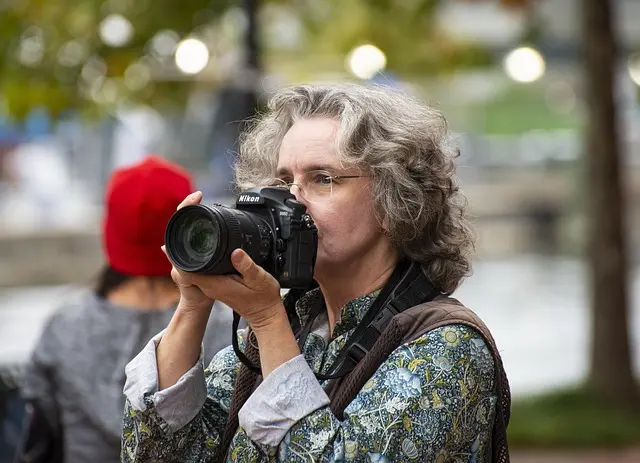
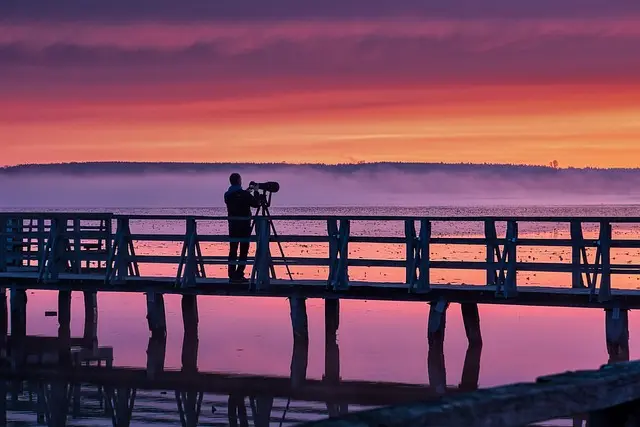
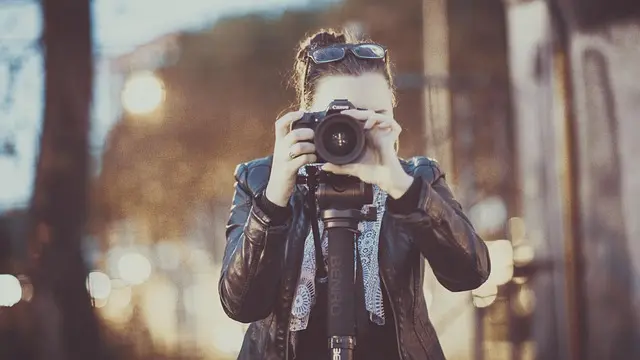
Photography can be an emotionally rewarding and creatively fulfilling pursuit. Whether you aspire to document moments, create art, or develop a career in photography, understanding how to start your photography journey is crucial. In this article, we’ll explore ten essential tips to kick off your shooting adventure effectively, enhancing your skills and enriching your experience.
1. Understand the Basics of Photography
Before diving into shooting, it’s important to grasp the fundamentals of photography. Start with understanding concepts like exposure, aperture, shutter speed, and ISO. These components influence how a camera captures light and forms images. For example, a lower aperture (like f/2.8) allows more light to hit the sensor, perfect for low-light settings and creating a shallow depth of field, which blurs backgrounds beautifully. Investing time in learning these basics not only enhances your confidence but also lays a solid foundation for future exploration.
2. Choose the Right Camera for You
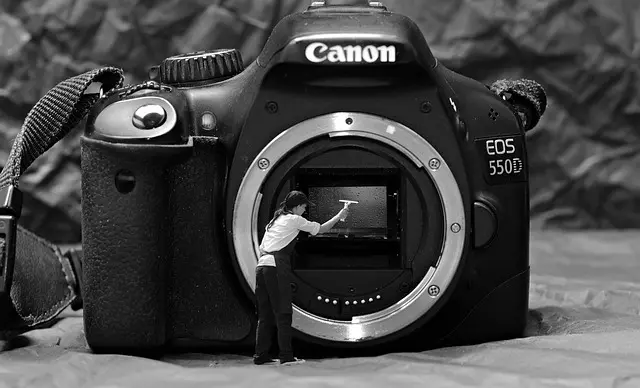
Selecting the appropriate camera is pivotal for budding photographers. You may opt for a digital single-lens reflex (DSLR), a mirrorless camera, or even a high-quality smartphone. Assess what you need based on your photography goals. DSLRs typically offer superior quality and versatility, while mirrorless cameras are lightweight with comparable performance. For instance, the Canon EOS R series is ideal for those prioritizing video capabilities alongside photography. Read camera reviews and user experiences to identify what best fits your style.


CORE365 - CE890 - Men's Journey Summit Hybrid Full - Zip - Black/ Black - L
clothingshoponline.com

CORE365 - 78190 - Women's Journey Fleece Jacket - Classic Navy - S
clothingshoponline.com
3. Practice, Practice, Practice
“Practice makes perfect” is not just a saying; it is the key to mastering photography. Dedicate your weekends or evenings to practice various styles like portrait, landscape, or macro photography. Make it a habit to take your camera out regularly. The more photos you take, the more you learn. You can also challenge yourself by setting specific goals: try shooting in different lighting conditions or compositions. Join local photo walks or photography clubs to share experiences and learn from others.
4. Learn Composition Techniques
Composition is an essential aspect affecting the quality of your photographs. Techniques like the rule of thirds, leading lines, and framing can dramatically enhance your photos. The rule of thirds involves dividing your frame into a grid and placing your subject along the gridlines or intersections to create balance. Additionally, studying famous photographers and analyzing their work can provide insights into effective composition strategies, enabling you to craft visually compelling images.
5. Experiment with Editing Software
Post-processing is where you can truly refine your photographic style. Learning to use photo editing software such as Adobe Lightroom or Photoshop can transform your images. Get familiar with adjusting exposure, contrast, color balance, and cropping. Online tutorials are abundant and can guide you through myriad techniques from basic adjustments to more advanced edits. Moreover, many photographers believe post-processing is an essential extension of the shooting process that enhances creativity.
📺 For more insights: [Exploring Essential Photography Techniques],
why you need to enhance your skills today. Search on YouTube: photography journey tips 2026.


6. Invest in Quality Lenses
The lens you choose can significantly impact your photography. A versatile zoom lens provides flexibility, whereas a prime lens can offer superior image quality and clarity. For instance, a 50mm f/1.8 lens is great for portraits due to its beautiful bokeh effect and low-light capabilities. Investing in quality lenses not only improves your photography but also encourages you to experiment with different styles, discovering what you truly enjoy capturing.
7. Study Light and Environment
Light is a photographer's most powerful tool. Understanding how different types of light (natural vs. artificial) affect your photos can enhance your shooting skills. Golden hour—the hour after sunrise or before sunset—often yields the most flattering and vibrant light. Conversely, harsh midday sunlight can create strong shadows. By observing and adapting to different lighting conditions, you’ll help your photography stand out dramatically.
8. Build a Photography Portfolio
As you develop your skills, begin curating a photography portfolio. This collection showcases your best work and highlights your style and strengths. Whether you keep it digital through a dedicated website or a social media profile, ensure it is updated regularly. A portfolio is essential when seeking clients or jobs, as it demonstrates your experience and versatility. Websites like Flickr or Behance can help you exhibit your projects professionally.
9. Seek Feedback and Learn from Critique
Sharing your work with others is vital for improvement. Join online forums, social media groups, or local clubs where you can receive constructive critiques. Platforms such as 500px or Instagram allow you to gather feedback from other passionate photographers. Take critiques as learning opportunities, fostering growth in your artistic journey. Understanding various perspectives can highlight areas for enhancement you may have overlooked.
10. Stay Inspired and Keep Learning
Photography is an ever-evolving art form. Stay inspired by following other photographers, attending workshops, or reading photography books. Look for trends, techniques, and styles that excite you and challenge you to expand your abilities. Websites like YouTube and Skillshare offer countless resources where you can learn new skills and techniques. Commit to lifelong learning, as it maintains your passion and improves your craft over time.
Checklist Before You Start Your Photography Journey
- [ ] Understand camera basics (exposure, aperture, etc.)
- [ ] Choose the right camera that fits your goals
- [ ] Schedule regular practice sessions
- [ ] Learn composition techniques
- [ ] Experiment with editing software
- [ ] Invest in quality lenses for better shots
- [ ] Study different lighting conditions
- [ ] Build and update your portfolio
- [ ] Seek feedback on your work
- [ ] Stay inspired with continuous learning
Glossary
| Terme | Définition |
|---|---|
| Aperture | The opening in a lens that controls light intake, affecting depth of field. |
| ISO | A measure of a camera sensor's sensitivity to light, influencing image brightness. |
| Bokeh | A photographic technique that creates a blurry background, enhancing the subject. |
🧠 Quick Quiz : What is the most pivotal factor in photography composition?
- A) Subject Matter
- B) Camera Settings
- C) Lighting
Answer: C — Lighting plays a crucial role in determining how images are perceived.
Recommended Products
- - - ## Final Thoughts
Starting your photography journey requires dedication, passion, and continual learning. By following these essential tips, you’re setting yourself up for success, enabling you to capture the world through your unique perspective. Remember, every photographer started somewhere, and with time and practice, you will too. Let your creativity flourish as you embark on this exciting path.
📺 Pour aller plus loin : photography journey tips 2026 sur YouTube
Recommended products
Selected by our experts
Drew Journey II Men's Black Oxford 9.5 E4 - Gender: male
shoemall.com
Stylish and comfortable footwear is essential for long shooting sessions, allowing you to move freely and stay focused on your craft.
CORE365 - CE890 - Men's Journey Summit Hybrid Full - Zip - Black/ Black - L
clothingshoponline.com
A versatile jacket is perfect for outdoor photography, providing comfort and warmth as you capture stunning landscapes.
CORE365 - 78190 - Women's Journey Fleece Jacket - Classic Navy - S
clothingshoponline.com
This fleece jacket offers both style and functionality, ideal for maintaining comfort on chilly shoot days.