Table of Contents (12 sections)
Photography is an art form that not only captures moments but also expresses emotions. If you're considering diving into the world of photography, you are in for a rewarding experience. Whether it's capturing landscapes, portraits, or events, mastering photography requires both technical skills and a creative eye. In this article, we will explore 10 essential tips to start photography, each designed to help you embark on this exciting journey eagerly and confidently.
1. Understand Your Equipment
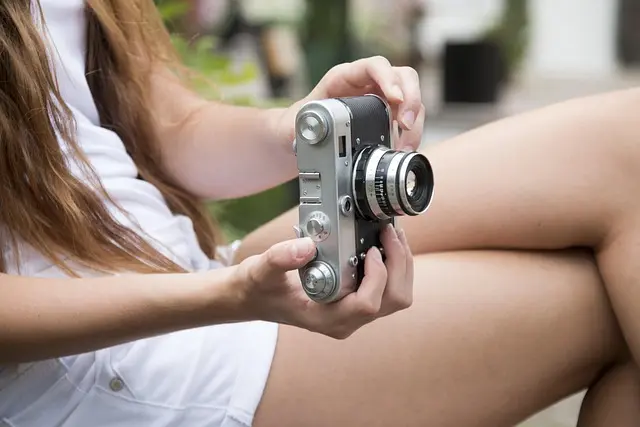
One of the first tips to start photography is to familiarize yourself with your camera and its functions. Whether you’re using a DSLR, mirrorless camera, or even a smartphone, knowing the capabilities of your equipment allows you to make the most out of it. Spend time reading the manual and experimenting with different settings. This foundational knowledge is crucial, as it empowers you to manipulate exposure, focus, and composition effectively.
Additionally, consider joining photography forums and communities where you can ask questions and share experiences. According to a study conducted by Pew Research Center, over 70% of photographers attribute their growth to community learning and collaboration. This emphasizes the importance of connecting with other enthusiasts while mastering your equipment.
2. Master the Basics of Composition
Composition is key in photography; it dictates how a subject is presented and can significantly affect the image’s impact. Familiarize yourself with foundational rules, such as the Rule of Thirds, leading lines, and framing. For instance, to apply the Rule of Thirds, divide your frame into a grid of nine equal segments and position your subjects along these lines or their intersections. This technique makes images more balanced and intriguing.
Moreover, studying examples from established photographers can offer a wealth of knowledge about diverse styles and compositions. This exploration not only inspires creativity but also strengthens your understanding of what works and what doesn’t in various types of photography.


3. Experiment with Different Styles
One of the best ways to determine your niche is to experiment with various styles. From portrait photography to landscape and macro, each style presents unique challenges and rewards. Don’t shy away from trying new things; you might discover a passion for a type of photography that you didn’t initially consider.
Take your camera and venture out into different environments. If you’re unsure where to start, consider joining workshops. They often provide guided experiences that help you explore new styles without the pressure of expectations. A significant number of photographers who find satisfaction in their work credit their willingness to experiment as a pivotal factor in discovering their true style.
4. Learn Post-Processing Techniques
In today's digital world, post-processing plays a critical role in photography. Learning how to edit photos can dramatically enhance the final outcome of your images. Software such as Adobe Lightroom and Photoshop are industry standards for making adjustments to lighting, color balance, and sharpness.
Start small by focusing on basic adjustments before gradually incorporating more complex edits. Online tutorials and courses can help speed up your learning process, allowing you to create stunning images that stand out. Dedicating time to this aspect can make your photographic works pop, illustrating the difference between a good shot and a memorable one.
5. Create a Portfolio
Building a strong portfolio is an essential step for any budding photographer. It serves as a visual resume, showcasing your best work to potential clients or galleries. As you start, focus on quality over quantity; it’s better to present a handful of strong images than a large variety of average ones.
Consider using platforms like Instagram, Behance, or a personal website. They offer great avenues to share your work and gain feedback from broader audiences. Having a portfolio not only aids in attracting opportunities but also encourages you to keep refining your skills as you progress in your photography journey.
6. Utilize the Power of Social Media
In the digital age, social media is a powerful tool for photographers. Sharing your work on platforms like Instagram, Pinterest, and Facebook not only exposes your work to a wider audience but also allows for interaction and feedback. Engaging with your audience creates a sense of community and can lead to constructive criticism and collaboration opportunities.
Moreover, using relevant hashtags can enhance the visibility of your posts. According to Instagram's analytics, posts with at least one hashtag increase engagement significantly, leading to a broader reach. Use this to your advantage and connect with other photographers and potential clients in your niche.

7. Study the Masters
To improve your skills, it’s beneficial to study the work of established photographers. From Ansel Adams’ landscapes to Annie Leibovitz’s portraits, examining a variety of styles will provide insights into techniques, composition, and storytelling in photography. Analyze their use of light, angles, and colors.
Additionally, consider reading photography books or taking online courses. Many professionals share their techniques through tutorials or workshops. Understanding their creative process can inspire your unique style and push your capabilities further.
8. Participate in Photography Challenges
Participating in photography challenges can be a fun way to improve your skills while gaining inspiration. Whether it's a daily prompt or a monthly theme, these challenges encourage you to step outside of your comfort zone. Engage with online communities that host photography challenges, sharing your results and receiving feedback.
Not only do these challenges stimulate creativity, but they also help develop discipline in regularly practicing photography. According to recent statistics, photographers who partake in regular challenges see an improvement in their craft within a few months.
9. Connect with Other Photographers
Creating a network with fellow photographers can be incredibly beneficial for both learning and inspiration. Join local clubs or online forums where you can share experiences and discuss techniques. Collaborating with others not only provides you with different perspectives but also opens avenues for joint projects and friendships.
Additionally, mentorship opportunities can arise when you connect with more experienced photographers. Their insights could provide guidance on your journey and teach you invaluable lessons that can accelerate your learning process.
10. Keep Practicing and Stay Patient
Lastly, remember that mastering photography takes time and practice. Stay patient and persistent as you develop your skills. Try to shoot every day, even if it’s just casual snapshots. Reflect on your images, seek feedback, and don’t hesitate to redo shots to improve.
With persistence, you will see improvement over time, leading to more compelling and beautiful photographs. Understand that every photographer, regardless of skill level, has days of dissatisfaction, but it’s all part of the journey.
📺 Ressource Vidéo
To explore more about photography, watch How to Start Photography as a Beginner, a guide on developing photography skills. Search on YouTube for
Recommended products
Selected by our experts

HP - Panorama Instant Label Printer & Photo Printer Starter Bundle - Gray
bestbuy.com

HP - Panorama Instant Label Printer & Photo Printer Starter Bundle - Pink
bestbuy.com


StarTech.com - Vertical Dual Monitor Stand, Heavy Duty Steel, Monitors up to 27" (22lb/10kg), Vesa Monitor, Computer Monitor Stand - Black
bestbuy.com
StarTech.com - Vertical Dual Monitor Stand, Heavy Duty Steel, Monitors up to 27" (22lb/10kg), Vesa Monitor, Computer Monitor Stand - Black
bestbuy.com