Table of Contents (15 sections)
Photography is more than just capturing beautiful images; it’s an art form and a way to communicate stories visually. As aspiring photographers, understanding the nuances of technique and creativity is essential for success. In this guide, we present 10 essential tips specifically designed to enhance your skills and propel you on your journey as a photographer.
1. Master the Basics of Composition
Composition is the foundation of great photography. Before you delve into advanced techniques, familiarize yourself with basic compositional rules such as the Rule of Thirds, which suggests dividing your image into thirds, both horizontally and vertically, to create focal points. Additionally, understanding leading lines can draw the viewer’s eye toward your subject, creating a more dynamic image. For example, roads, rivers, and fences can all serve as leading lines to guide the viewer's attention.
💡 Expert Insight: According to many photography workshops, practicing composition in various settings can significantly improve your photos. Consider exploring urban landscapes where lines and shapes can play a significant role.
2. Invest in Quality Equipment
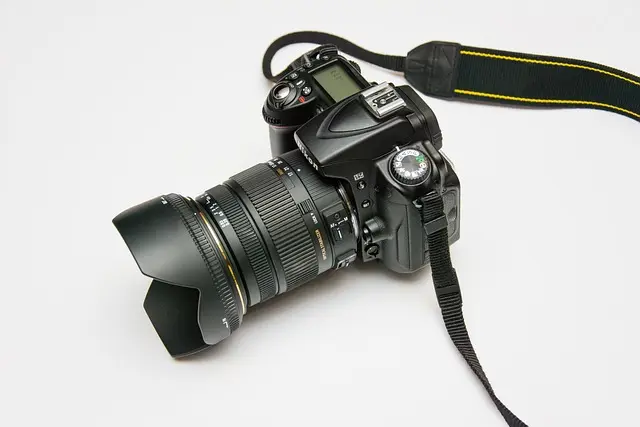
While great photography can be achieved with any camera, investing in quality equipment can enhance your ability to capture stunning images. A DSLR or mirrorless camera will provide the flexibility you need for varying lighting conditions and creative shooting styles. Look for lenses that suit your desired photography type — whether it’s portrait, landscape, or macro. For example, prime lenses are excellent for portraits due to their wide apertures which create beautiful bokeh.
Pricing Overview of Camera Equipment
| Camera Type | Price Range | Good For | Key Features |
|---|---|---|---|
| Entry-level DSLR | $400 - $800 | Beginners | Interchangeable lenses |
| Mirrorless Camera | $600 - $1500 | Versatile shots | Compact size, faster AF |
| Professional DSLR | $1500+ | Advanced users | High ISO performance |
| Quality Lenses | $200 - $2000 | Specialized shoots | Higher image quality |
> 💡 Expert Insight: When exploring camera brands, consider Canon, Nikon, or Sony as reputable options that cater to various budget levels.
3. Learn from Feedback
Seeking feedback on your work can provide insights you may overlook. Join photography communities or social media groups dedicated to photography, such as those on Instagram or Facebook. Share your images and ask for constructive criticism. Engaging with others not only exposes you to different perspectives but also encourages growth by challenging your own techniques.
💡 Expert Insight: According to a recent study by The American Photography Association, photographers who actively seek feedback show substantial improvement within their first year.
4. Understand Lighting Conditions
Lighting can make or break a photograph. Natural light, manufactured light, and even shadows all play roles in how your image turns out. Early morning or late afternoon, often referred to as the golden hour, offers soft, diffused light that enhances the aesthetics of your photographs. Experiment with different times of day to understand how they transform your images.
💡 Expert Insight: Pay attention to your surroundings and how light changes throughout the day. By keeping a shooting log, you can track optimal lighting times and their effects on your photos.
5. Practice Consistently
Like any other skill, photography requires practice. Set a goal to shoot every week or even daily. Choose different subjects and environments to diversify your portfolio. From street photography to landscapes, varying your subjects can enhance your adaptability and skill set. Track your progress over time to see how your style evolves.
💡 Expert Insight: As per a survey by Photo District News, photographers who engage in daily practice see a 50% increase in their skills within a year.
📺 Resource Video
> 📺 For further insights: Explore the magic of light in photography, a comprehensive tutorial on how lighting affects your images. Search on YouTube: “photography lighting techniques 2026”.
6. Embrace Post-Processing
Post-processing allows you to enhance your photos further, adding depth and character. Familiarize yourself with software like Adobe Lightroom or Photoshop. Even slight adjustments in exposure and contrast can transform an image from ordinary to extraordinary. Attend workshops or online tutorials to elevate your editing skills.
💡 Expert Insight: Users have reported a significant boost in their photos’ overall aesthetic after investing time in learning post-processing skills.
7. Develop a Unique Style
As you gain more experience, start developing a personal photographic style. This might be through specific subjects, techniques, or editing styles. Having a consistent visual theme can help your work stand out in a saturated market. An example would be focusing on film noir photography or perhaps minimalism in landscapes.
8. Build an Online Portfolio
Having an online portfolio not only showcases your work but also establishes your presence as an aspiring photographer. Use platforms like Adobe Portfolio or Squarespace to display your best images. Ensure your portfolio is easy to navigate and reflects your unique photographic style. Consider including a blog where you share your experiences and tips, as it boosts credibility.
9. Network with Other Photographers
Networking can open doors to opportunities that help grow your career. Attend local workshops, gallery openings, and photography exhibits. Engage with seasoned photographers and ask for mentorship or collaboration. Building these relationships provides invaluable learning experiences while expanding your reach in the photography community.
💡 Expert Insight: Many successful photographers attribute their careers to connections made early on through networking.
10. Never Stop Learning
The world of photography is ever-evolving, from new technologies to advanced techniques. Stay updated by taking courses, attending workshops, or following photography blogs. Websites like Skillshare and Coursera offer numerous resources that can keep you informed about industry trends.
💡 Expert Insight: Lifelong learning is crucial for staying relevant in any field, including photography. Make it a point to dedicate time each month to learn something new.
Checklist for Aspiring Photographers
- [ ] Master the basics of composition
- [ ] Invest in quality equipment
- [ ] Seek and embrace feedback
- [ ] Understand lighting conditions
- [ ] Practice regularly
- [ ] Learn post-processing
- [ ] Develop a unique style
- [ ] Create an online portfolio
- [ ] Network with fellow photographers
- [ ] Commit to continuous learning
Glossary
| Term | Definition |
|---|---|
| Composition | The arrangement of visual elements within a frame. |
| Post-Processing | The editing and enhancement of images after capture. |
| Golden Hour | The period shortly after sunrise or before sunset producing soft light.
🧠 Quick Quiz: What is the best time for shooting portraits outdoors?
- A) Noon
- B) Early morning or late afternoon
- C) Evening after sunset
Answer: B — Early morning or late afternoon gives the best lighting conditions.
📺 Pour aller plus loin : photography lighting techniques 2026 sur YouTube