Table of Contents (14 sections)
- Embrace Your Unique Style
- Invest in Quality Equipment
- Master the Basics of Photography
- Practice, Practice, Practice
- Create a Portfolio
- Learn Post-Processing Techniques
- Network with Other Photographers
- Stay Inspired and Keep Learning
- Utilize Social Media Wisely
- Seek Constructive Criticism
Embrace Your Unique Style
One of the most critical tips for aspiring photographers is to develop and embrace your unique style. This involves identifying what draws you to photography and understanding the subjects that inspire you. Art is subjective, and what resonates with one person may not appeal to another. Thus, experimenting with different genres—be it landscape, portrait, or macro photography—will help you discover your niche. By cultivating a personal style, your work becomes instantly recognizable, which is crucial for carving out a space in a saturated market.
Invest in Quality Equipment
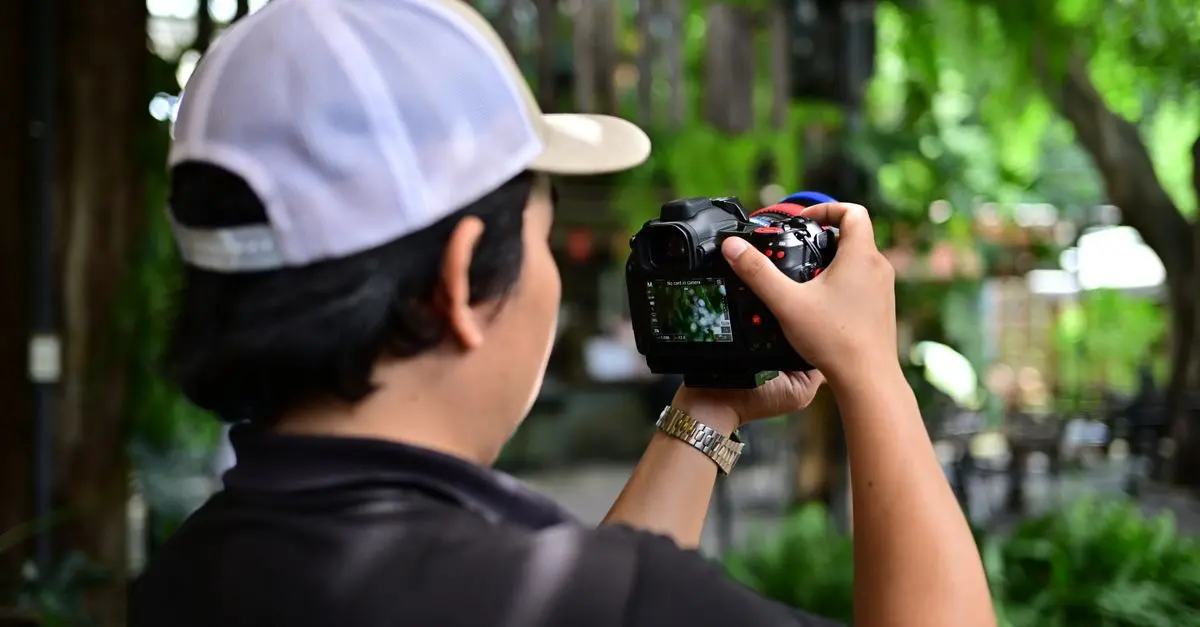
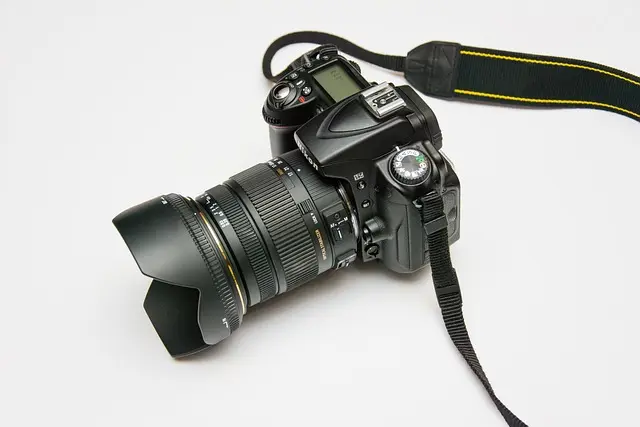
While it’s possible to start photography with a smartphone, investing in quality equipment can make a significant difference in the quality of your work. Consider entry-level DSLR or mirrorless cameras from reputable brands like Nikon or Canon that offer interchangeable lenses. Understanding the functionalities of your camera, such as ISO, aperture, and shutter speed, will allow you to capture high-quality images. Additionally, acquiring accessories like a sturdy tripod, editing software, and lenses suitable for your style can enhance your outputs tremendously. Remember, equipment is just a tool; your creativity and skill ultimately matter most.
Master the Basics of Photography
To truly excel in photography, mastering the fundamentals is essential. This includes understanding composition, lighting, and exposure. Applying the rule of thirds can help frame your shots effectively. Knowing how to work with natural light will enhance your images' mood and detail. Spend time learning about different camera settings and their effects on your photos. There are many online courses and tutorials available if you seek formal education. According to a survey by Photography Life, 60% of beginner photographers reported significant improvement after focusing on the basics.
Practice, Practice, Practice
Photography is an art form that requires constant practice. The more you shoot, the better you become. Try setting specific goals for yourself, such as a daily photo challenge or exploring a new location each week. Experiment with different settings, angles, and subjects to see how they influence your photos. Over time, you will develop an instinct for capturing the perfect shot. Remember, even professionals keep their skills sharp by diving into new projects and genres, so don’t hesitate to branch out.
Create a Portfolio
A well-curated portfolio is vital for any aspiring photographer. It serves as your visual resume and showcases not just your best work but also your unique style and range. Aim to include around 15-20 images that highlight your skills and artistic vision. Consider utilizing platforms such as Adobe Portfolio or Behance to display your work professionally. As you grow and improve, don’t forget to update your portfolio frequently to reflect your latest accomplishments. Research indicates that potential clients often look for a cohesive storytelling approach in portfolios, which can set you apart when applying for jobs or commissions.
Learn Post-Processing Techniques
In today’s digital age, mastering post-processing is as important as snapping the perfect photo. Software like Adobe Lightroom or Photoshop can elevate your images from good to great. Take time to learn about color correction, cropping, and filters. Understanding how to balance contrast and brightness can dramatically affect the mood of your photo. Moreover, post-processing allows you to creatively express your style, making it a critical skill for modern photographers. As per industry insights, over 75% of professional photographers regularly use editing software to refine their work.
Network with Other Photographers
Building a network within the photography community is invaluable. Attend workshops, photography meetups, or online forums to connect with like-minded individuals. Collaborating with other photographers can help you grow and learn new techniques, and having a support system will motivate you. Platforms like Flickr or Instagram can also introduce you to fellow creatives and potential mentors. Networking can lead to opportunities for collaborative projects or job leads. Sharing your work and receiving feedback from peers can enhance your skills significantly.
Stay Inspired and Keep Learning
Inspiration can come from various sources—books, documentaries, nature, or even other artists. Consistently exposing yourself to different forms of art can spark creativity in your work. Follow photographers you admire on social media and study their styles. As photography is an ever-evolving field, keeping abreast of new techniques and trends through workshops, online courses, or webinars will greatly benefit you. According to a 2025 study by Pew Research Center, 70% of thriving photographers attribute their success to continuous learning and adaptation.
Utilize Social Media Wisely
Social media is a powerful tool for aspiring photographers. Create accounts on platforms like Instagram and Pinterest where visual content thrives. Post regularly, engage with your followers, and use relevant hashtags to reach a wider audience. Showcasing your journey and behind-the-scenes footage can humanize your brand. Remember to interact with your followers by responding to comments and participating in discussions. This can foster community and promote loyalty, leading to greater exposure over time. A study found that photographers who actively engage on social media get 50% more inquiries for their work.
Seek Constructive Criticism
Finally, do not shy away from seeking constructive criticism. Sharing your work with peers or mentors can provide you with valuable feedback. Join photography groups, either locally or online, where members share their work for critiques. Analyzing your images through others' perspectives allows for growth and improvement. However, be selective about the feedback you take to heart; focus on constructive comments that help elevate your craft. Remember, even the most successful photographers regularly review their work and seek guidance from their peers.
📺 For further learning:
A comprehensive analysis of tips and tricks for aspiring photographers. Search on YouTube: tips for aspiring photographers 2026.
Glossary
| Terme | Définition |
|---|
| Aperture | The opening in a lens that allows light to enter, affecting depth of field.
| DSLR | Digital Single-Lens Reflex camera known for high-quality images and versatility.
| Post-Processing | Techniques applied to enhance or modify images after taking them, often using software.
Checklist for Aspiring Photographers
- [ ] Develop your unique style.
- [ ] Invest in quality equipment.
- [ ] Master basic photography principles.
- [ ] Commit to regular practice.
- [ ] Build and update your portfolio.
- [ ] Learn post-processing skills.
- [ ] Connect with fellow photographers.
- [ ] Keep seeking inspiration.
- [ ] Leverage social media effectively.
- [ ] Welcome constructive criticism.
🧠 Quick Quiz: What is the most important factor to develop as an aspiring photographer?
- A) Expensive equipment
- B) Unique style
- C) Social media presence
Answer: B — Developing a unique style helps you stand out in the photography world.
📺 Pour aller plus loin : tips for aspiring photographers 2026 sur YouTube