Table of Contents (15 sections)
Embarking on a photography journey can be both exhilarating and daunting. Whether you're picking up a camera for the first time or refining your skills, understanding essential tips for aspiring photographers can significantly enhance your experience. Offering a blend of technical know-how, creative inspiration, and practical advice, these tips will help you navigate the vibrant world of photography.
1. Understand Your Equipment
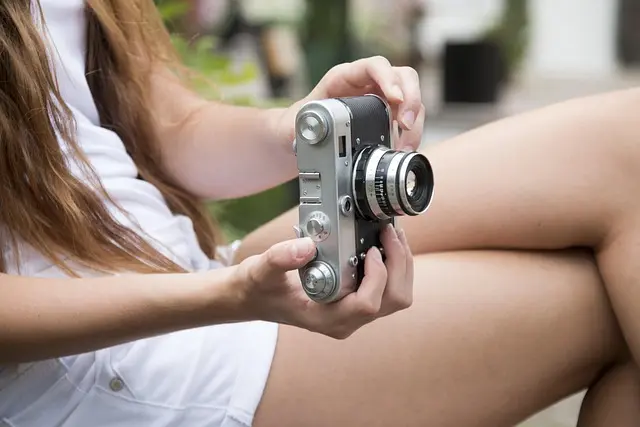
Understanding your camera and its settings is the foundational step in photography. Explore your camera’s manual features, such as ISO, aperture, and shutter speed. These three elements, often referred to as the exposure triangle, determine how light interacts with your images. For instance, adjusting the ISO can brighten an image in low light, but increasing it too much can introduce noise. By experimenting with these settings in various conditions, you’ll develop a better intuition for capturing the perfect shot, whether it's in bright sunlight or dim interiors.
2. Composition is Key
Mastering composition helps create visually compelling photographs. Utilize techniques like the rule of thirds, leading lines, and framing. For example, imagine dividing your frame into a tic-tac-toe grid. Place your subject along these lines or at their intersections to create a balanced and engaging image. There's also the golden ratio, which can guide you to achieve harmony and aesthetics in your shots. Practicing different compositional strategies will not only enhance your technical skills but also develop your creative eye.
3. Lighting Matters
Light can make or break a photograph. Natural light is often recommended for aspiring photographers. Golden hour, which occurs shortly after sunrise or before sunset, provides soft, warm light that can beautifully illuminate subjects. For indoor shots, consider using diffused artificial lighting. Experimenting with backlighting, sidelighting, or using reflectors helps you understand how light influences mood and depth in your images. Remember, the same scene can appear drastically different under varied lighting conditions.
4. Practice, Practice, Practice
The road to mastery is paved with consistent practice. Set yourself challenges such as a 365-day photography project, where you take a photo every day. These small, manageable goals will prompt you to explore different techniques, styles, and subjects. Whether photographing landscapes, portraits, or street scenes, regular practice sharpens your eye and fosters creativity. Websites like Flickr and Instagram can be excellent platforms to share your work and receive constructive feedback from fellow photographers.
5. Edit Like a Pro
Post-processing is an essential part of modern photography. Familiarize yourself with software like Adobe Lightroom or Photoshop, which offer powerful tools for editing. Basic adjustments such as cropping and color correction can dramatically enhance your images. Furthermore, learn about filters, layers, and masking to fine-tune aspects of your photographs. According to a survey by Pexels, 72% of photographers believe that editing is as important as taking the picture itself. Therefore, honing your editing skills can elevate your photographic work to new heights.
6. Discover Your Style
Every photographer has a unique style that reflects their personality and perspective. Analyze other photographers’ work to find inspiration, but avoid simply copying it. Instead, combine elements you admire to develop your own signature style. Consider the themes, colors, and moods that resonate with you. Dedicate time to specific genres of photography—such as black and white, portrait, or street photography—to deepen your understanding of your preferences. This exploration will not only strengthen your skills but also contribute to more meaningful photography.
7. Build a Portfolio
A well-curated portfolio is essential for any aspiring photographer. Start by selecting your best work and showcase a variety of styles and subjects. Guidelines suggest featuring around 15-20 of your strongest images in online portfolios like Behance or personal websites. Make sure to display only your best work, as quality over quantity is crucial. An impressive portfolio not only reflects your style but also serves as a tool to attract clients or collaborators.
8. Network and Learn
Engaging with the photography community can accelerate your learning curve. Attend workshops, photography meetups, and online forums. Building a network of fellow photographers can provide support, motivation, and valuable insights. Furthermore, many online platforms host candid discussions about gear, techniques, and even critique sessions. Embrace every opportunity to learn from more experienced photographers, as they can share valuable lessons from their journeys.
9. Stay Current with Trends
The world of photography is always evolving with new techniques and technologies. Stay updated on trends via photography blogs, podcasts, or social media groups. For instance, drone photography has gained popularity, opening up new creative opportunities. Engaging with educational content not only enhances your skills but also keeps your work relevant in an ever-changing market.
10. Don’t Fear Mistakes
Every photographer makes mistakes; it’s part of the learning process. Rather than being discouraged, analyze what went wrong and how you can improve in the future. Mistakes can lead to unexpected learning moments, prompting discussions about how to capture better photos next time. Embrace the concept of growth through failure; this mindset will allow you to develop resilience and enhance your creative journey.
💡 Expert Opinion: "The key to photography isn’t just the equipment; it’s about your vision. Every shot tells a story, and finding your voice is essential for every aspiring photographer’s journey."
📺 Resource Video
> 📺 For further exploration: Discover the essentials of photography with our interactive video, which provides visual insights and tips for aspiring photographers. Search on YouTube: "photography tips for beginners 2026".
🌟 Glossary
| Term | Definition |
|---|---|
| Shutter Speed | The duration for which the camera’s sensor is exposed to light. |
| Aperture | The opening in a lens that controls the amount of light that reaches the camera sensor. |
| ISO | The camera's sensitivity to light, which can affect the brightness of the image. |
Checklist before shooting
- [ ] Understand your camera settings
- [ ] Experiment with different compositions
- [ ] Utilize various lighting scenarios
- [ ] Regularly practice taking photos
- [ ] Enhance images through editing
- [ ] Identify and develop your photography style
- [ ] Maintain an updated portfolio
- [ ] Network with fellow photographers
- [ ] Keep abreast of photography trends
- [ ] Learn from your mistakes
🧠 Quick Quiz
> What is the exposure triangle in photography?
> - A) Shutter speed, ISO, depth of field
> - B) ISO, shutter speed, aperture
> - C) Aperture, framing, composition
> Answer: B — The exposure triangle consists of ISO, shutter speed, and aperture.
Embrace the passion of photography, and let these tips guide you through your journey. The world of photography is wide and wonderful; dive in with enthusiasm and open eyes!
📺 Pour aller plus loin : Best Beginner Camera for Photography in 2026 | Complete Buying Guide sur YouTube