Table of Contents (14 sections)
Starting your photography journey is not just about picking up a camera; it’s about embracing a new perspective on the world around you. Photography is an art form that allows you to capture moments in time, narrate stories, and express emotions visually. For beginners, the landscape of photography can seem vast and overwhelming. It involves understanding various technical elements like exposure, composition, and lighting while also expressing individuality and creativity.
To effectively start your photography journey, it is crucial to understand the fundamentals and progressively build upon them. Let’s delve into ten essential steps that can guide you from a novice to a competent photographer, equipped with knowledge, skills, and confidence.
1. Choose Your Equipment Wisely
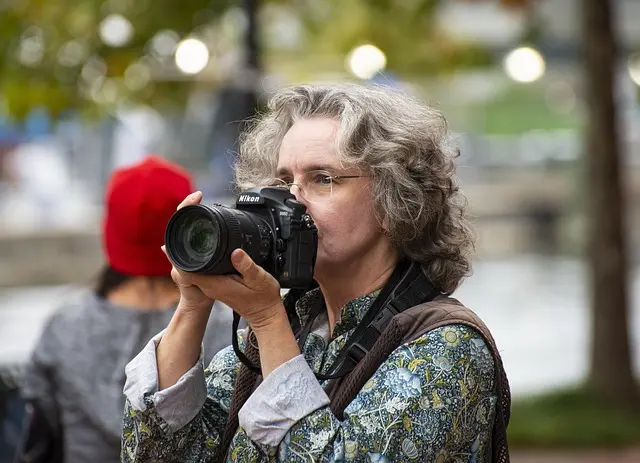
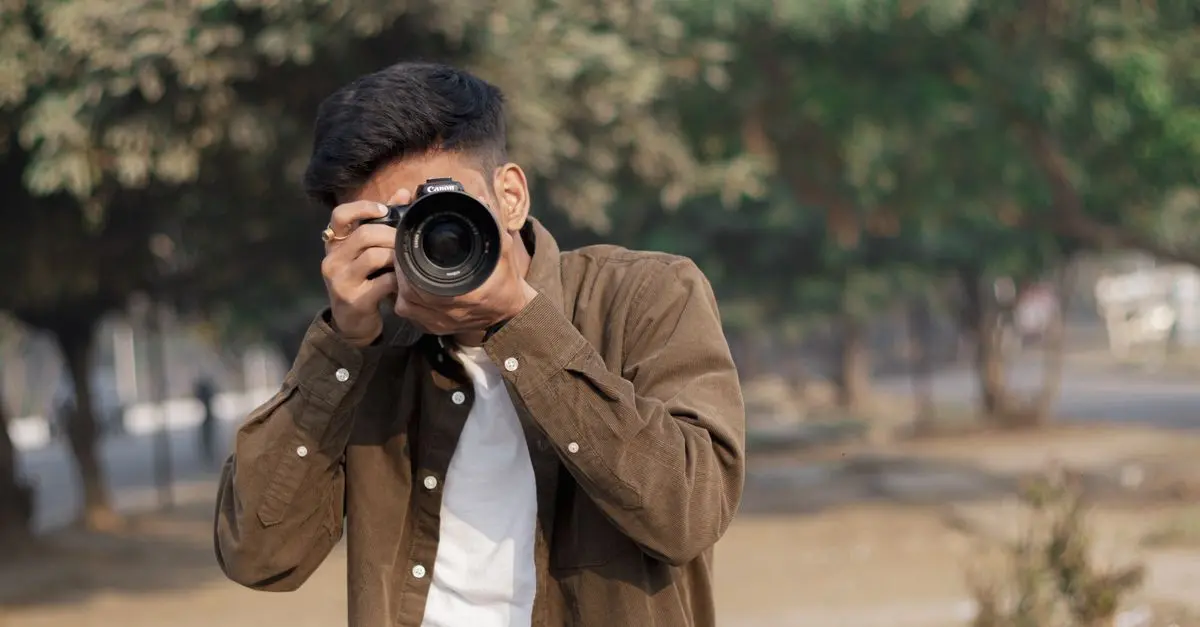
Before embarking on your photography journey, you must select the right equipment. A good camera plays a pivotal role in your initial foray into photography. For beginners, DSLR and mirrorless cameras are popular choices thanks to their versatility and ability to produce high-quality images. Understand the specifications like sensor size, lens compatibility, and shoot modes to find a camera that suits your style. You may also consider compact cameras or even smartphone lenses if you're starting small. The key is to choose equipment that you feel comfortable using.
2. Learn the Basics of Photography
Knowledge of basic photography principles is essential for anyone who wants to move beyond automatic mode. Start by familiarizing yourself with concepts such as aperture, shutter speed, and ISO. Each aspect plays a critical role in achieving a well-exposed photograph. For instance, understanding depth of field through aperture settings can dramatically alter your images. Take time to read photography manuals, guides, or online resources that break down these concepts in a beginner-friendly manner.


6inch USB LED Video Light Dimmable Ring Lamp for Photography Selfie Live Studio
Darty FR

Natur Botanic Fragrance Arôme Oriental Journey 130ml
DocMorris FR (ex DoctiPharma FR)
3. Master Composition Techniques
Once you have a grasp of your camera settings, you should focus on composition. Here are some fundamental composition techniques:
- Rule of Thirds: Divide your frame into three equal parts and place the subject along these lines.
- Leading Lines: Use lines within your environment to lead the viewer's eye.
- Framing: Utilize elements in the scene to frame your subject, adding depth and focus.
Effective composition can elevate an ordinary photograph to a captivating one. Practice these techniques consistently as they will become second nature over time.
4. Experiment with Lighting
Lighting can make or break a photograph. Natural light during the golden hour (shortly after sunrise or before sunset) is ideal for capturing warm, soft images. Experimenting with various lighting scenarios—backlighting, side lighting, and low-light conditions—will help you understand how light affects your photos. Using reflectors or artificial lights can enhance your portraits or product shots. Remember, mastering lighting is a vital aspect of photography that requires patience and practice.
5. Develop Your Own Style
Finding your unique photographic style is vital in setting you apart from others. Take inspiration from renowned photographers, analyze their techniques, and practice similar styles. Gradually incorporate your own elements, such as different angles, color palettes, or themes that resonate with you. Create a portfolio of your best work showcasing your evolution as a photographer. Over time, you will refine your style and vision, making your photography more identifiable.
6. Engage with a Community
Joining a photography community can dramatically enhance your skills. Online platforms, local clubs, or forums allow you to share your work, receive feedback, and learn from others. Engaging in photography challenges or competitions can push your boundaries and introduce you to diverse styles and techniques. Networking with other photographers also opens doors for collaboration opportunities and professional growth.
7. Learn Post-Processing Techniques
Post-processing is an essential part of modern photography. Familiarizing yourself with tools like Adobe Lightroom or Photoshop can substantially enhance your photographs. Basic edits such as cropping, adjusting exposure, and color correction can revitalize an image, while advanced techniques can help create stunning artwork from your photographs. Online tutorials and classes can guide you through the vast world of post-processing.
8. Create a Consistent Practice Routine
To truly start your photography journey, consistency is key. Dedicate time each week to practice photography. Whether it’s capturing everyday moments or dedicated photo sessions, habitual practice will sharpen your skills and build confidence. Challenge yourself to focus on a specific technique during each practice session. As your skills develop, keep track of your progress and celebrate your improvements.
9. Analyze Your Work and Seek Feedback
Post-shoot analysis is a crucial part of the journey. Review your photographs and ask yourself critical questions:
- What worked well?
- What could have been better?
Engage with peers and seek constructive criticism to understand where improvements can be made. Often, feedback from experienced photographers provides valuable insights that can enhance your learning curve significantly.
10. Enjoy the Journey
Photography should be an enjoyable experience, not a chore. Embrace the learning process and allow yourself to create without the pressure of perfection. Capture moments that inspire you and enjoy the friendships, experiences, and stories that photography brings into your life. Celebrate your milestones, big or small, as each step on this journey counts.
📺 Resource Video
📺 For going further: Understanding Lighting in Photography, a complete guide to mastering natural and studio lighting. Search for keywords like photography lighting tips 2026.
Checklist before buying your first camera:
- [ ] Assess your photography style.
- [ ] Research different camera options based on your budget.
- [ ] Read reviews from reliable sources.
- [ ] Test cameras in-store if possible.
- [ ] Determine your long-term photography goals.
Glossary
| Term | Definition |
|---|---|
| Aperture | The opening in a lens that controls the amount of light hitting the sensor. |
| ISO | The sensitivity of your camera sensor to light, enabling you to shoot in varying lighting conditions. |
| Shutter Speed | The amount of time the camera's shutter is open, affecting motion blur and exposure. |
> 🧠 Quick Quiz: What is the ideal time for photography?
> - A) Midday
> - B) Golden Hour
> - C) Night
> Answer: B — The golden hour provides soft lighting and beautiful colors.
Starting your photography journey can be an exciting adventure. Remember, it’s not just about the final image but the entire experience from learning to creation. So purchase your equipment wisely, practice consistently, and soon you will see your skills flourish.
📺 Pour aller plus loin : photography lighting tips 2026 sur YouTube
Recommended products
Selected by our experts
Gb-1 Utility Photography Belt Lens Pouches Case With 4 Metal D-rings
Darty FR
This utility photography belt offers convenient storage for lenses and accessories, making it an essential tool for any photographer.
6inch USB LED Video Light Dimmable Ring Lamp for Photography Selfie Live Studio
Darty FR
This dimmable ring lamp is perfect for achieving professional quality lighting for your photography and videography needs.
Natur Botanic Fragrance Arôme Oriental Journey 130ml
DocMorris FR (ex DoctiPharma FR)
Create a pleasant atmosphere while working on your photography projects with this aromatic fragrance.