Table of Contents (14 sections)
Embarking on a photography journey is an exciting yet challenging endeavor. Whether you’re a complete novice or someone looking to refine existing skills, understanding the essential steps to start your photography journey is crucial. This guide breaks down ten key actions you should take to lay the foundation for your photographic adventure.
1. Understand Your Motivation
Before diving into photography, take a moment to consider what motivates you. Are you drawn to capturing landscapes, portraits, or street photography? Understanding your interests will guide your learning and focus your efforts. Many photographers start by exploring various genres before settling on a favorite. This exploration phase is vital as it helps you determine which camera settings, environments, and themes resonate most with you. Exploring these motivations can also help you create more meaningful work that speaks to your personal experiences and aspirations.
2. Invest in a Good Camera
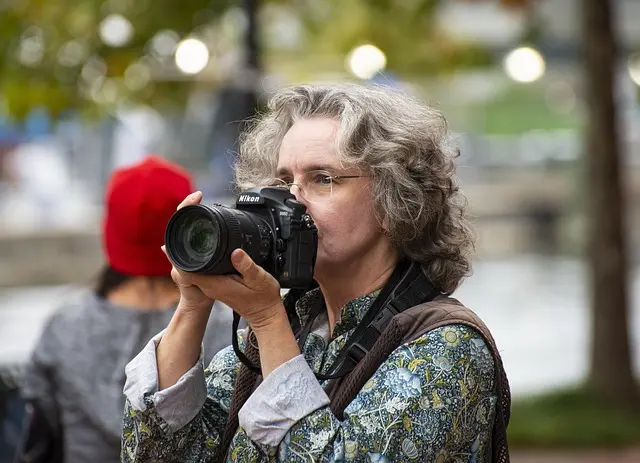
Choosing the right camera is essential for your photography journey. While many smartphones today offer impressive photography capabilities, investing in a dedicated camera opens up a world of possibilities. DSLRs and mirrorless cameras give you greater control over settings, allowing for creative expression. When selecting a camera, consider factors such as sensor size, megapixels, lens compatibility, and budget. This investment is not just monetary; it’s about committing to the craft of photography. Make sure to also explore the various accessories like tripods and camera bags to enhance your experience.


CORE365 - CE890 - Men's Journey Summit Hybrid Full - Zip - Black/ Black - L
clothingshoponline.com

CORE365 - 78190 - Women's Journey Fleece Jacket - Classic Navy - S
clothingshoponline.com
3. Learn the Basics of Exposure
Understanding the exposure triangle—aperture, shutter speed, and ISO—is crucial for capturing well-exposed images. Each element plays an essential role:
- Aperture controls the amount of light entering the lens and affects depth of field.
- Shutter speed determines how long the camera sensor is exposed to light, influencing motion blur.
- ISO measures the sensor's sensitivity to light, which is vital in low-light conditions.
Spend time experimenting with these settings on your camera, taking notes to track how each adjustment affects your images. Resources like online tutorials and photography forums can significantly expand your understanding.
4. Composition Techniques
Composition is the art of arranging elements within the frame. Techniques such as the rule of thirds, leading lines, and framing can guide your viewer's eye and enhance storytelling. For instance, placing your subject off-center creates balance and visual interest, while leading lines draw the viewer into the scene. Studying classical artworks can provide insights into effective compositional strategies. Always remember, practicing different compositions can vastly improve your photography skills over time.
5. Master Your Editing Software
Post-processing is where your photos can truly shine. Learning to use software like Adobe Lightroom or Photoshop allows you to fine-tune colors, exposure, and sharpness—enhancing the initial image. Start with basic techniques such as cropping, adjusting exposure, and applying filters, then gradually explore more complex features like layers and masking. Online tutorials and courses can offer valuable insights into various editing techniques, helping you elevate your photography even further. Editing isn’t just about fixing mistakes; it’s a creative extension of your vision.
6. Join a Photography Community
Surrounding yourself with fellow photography enthusiasts can provide motivation and valuable feedback on your work. Join online forums, local photography clubs, or social media groups dedicated to photography. Engaging with others allows you to share your experiences, gain insights, and even collaborate on projects. Feedback from your peers can help refine your style and technique, and attending meetups can lead to new friendships and opportunities.


📺 For More: Explore engaging photography tutorials and community insights on YouTube. Search for "how to improve photography skills 2026".
7. Create a Portfolio
A portfolio showcases your best work and demonstrates your skills to potential clients or collaborators. Begin by curating a diverse selection of images that highlight your strengths, style, and interests. Include different genres if you haven't settled on a niche. Online platforms like Flickr or 500px can host your portfolio, or create a personal website to add a professional touch. Taking your time to build a solid portfolio will pay off as you connect with industry professionals and seek opportunities.
8. Understand Copyright and Licensing
As an aspiring photographer, it’s vital to familiarize yourself with copyright laws and licensing. Understanding your rights helps you protect your work from unauthorized use. Research the types of licenses available based on your intended use, such as Creative Commons or Royalty-Free. Learning how to navigate copyright will not only protect your images but also help you understand how to use others’ work legally and ethically.
9. Keep Practicing
Photography is an evolving skill that improves with practice. Set personal challenges and projects to enhance your skills over time. Whether it’s a daily photo challenge, self-assignments like documenting everyday life, or experimenting with new techniques, consistency is key. Regular practice not only solidifies your knowledge but helps you develop your unique style. Remember, learning from failures is just as important as celebrating your successes.
10. Stay Inspired
Lastly, find inspiration in various forms. Follow photographers, join photography podcasts, and explore other art forms to spark your creativity. Attend exhibitions and engage with artistic communities. Inspiration often leads to creative breakthroughs and keeps your passion alive, especially during ruts. Keep a collection of images or quotes that resonate with you for a quick boost of motivation.
Checklist Before Starting Your Photography Journey
- [ ] Define your motivation for photography.
- [ ] Choose an appropriate camera for your needs.
- [ ] Understand the basics of exposure.
- [ ] Learn composition techniques to improve your images.
- [ ] Familiarize yourself with editing software.
- [ ] Join a photography community for support.
- [ ] Create a diverse portfolio of your work.
- [ ] Understand copyright and licensing laws.
- [ ] Make a commitment to practice regularly.
- [ ] Seek inspiration from various sources.
Glossary
| Term | Definition |
|---|---|
| Aperture | The opening in a lens that lets light enter, affecting exposure and depth of field. |
| Shutter Speed | The duration for which the camera sensor is exposed to light, measured in seconds. |
| ISO | The sensitivity of the camera's sensor to light, affecting image brightness. |
> 🧠 Quick Quiz: What should you consider most when starting your photography journey?
> - A) The latest camera model
> - B) Understanding your motivations
> - C) The number of followers on social media
> Answer: B — Understanding your motivations shapes your path in photography.
📺 Pour aller plus loin : how to improve photography skills 2026 sur YouTube
Recommended products
Selected by our experts
Drew Journey II Men's Black Oxford 9.5 E4 - Gender: male
shoemall.com
These shoes are perfect for comfortable outdoor shooting days, allowing you to stay focused on capturing the best shots.
CORE365 - CE890 - Men's Journey Summit Hybrid Full - Zip - Black/ Black - L
clothingshoponline.com
This versatile jacket keeps you warm during early morning shoots, ensuring comfort while you focus on your photography.
CORE365 - 78190 - Women's Journey Fleece Jacket - Classic Navy - S
clothingshoponline.com
A fleece jacket is ideal for layering, providing warmth without bulk on chilly days when you’re out shooting.