Table of Contents (14 sections)
Starting your photography career can be an exciting yet daunting journey, filled with opportunities and challenges. In a world where visual content is constantly in demand, knowing how to start your photography career effectively is essential. This guide will provide you with ten critical steps to kickstart your journey, from understanding the basics of photography to building a personal brand that resonates with your target audience.
1. Understand the Basics of Photography
Before diving into the world of photography, it’s crucial to familiarize yourself with the fundamentals. Learn about exposure, composition, lighting, and the use of different cameras and lenses. Online resources, such as websites and video tutorials, can provide comprehensive information to get you started. For example, mastering the exposure triangle is essential, as it helps you balance aperture, shutter speed, and ISO. Additionally, engaging with photography forums can give you insights from experienced photographers who can share their expertise.
2. Choose Your Niche
Photography is a vast field, and finding your niche can set you apart. Consider what aspects of photography excite you the most—be it portrait, landscape, wildlife, or event photography. According to a study by Pew Research Center, nearly 80% of aspiring photographers reported that having a distinct style helped them attract clients. Explore different genres, and don't hesitate to experiment until you find your passion.

Chess Evolution Alexander Beliavsky - Legendary Chess Careers - Part 2
houseofstaunton.com
3. Invest in Quality Equipment
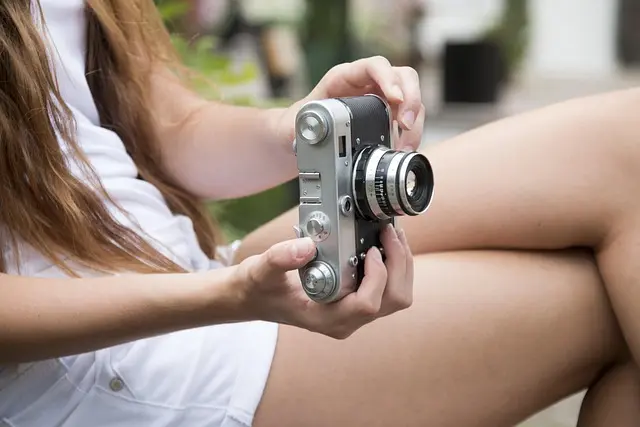
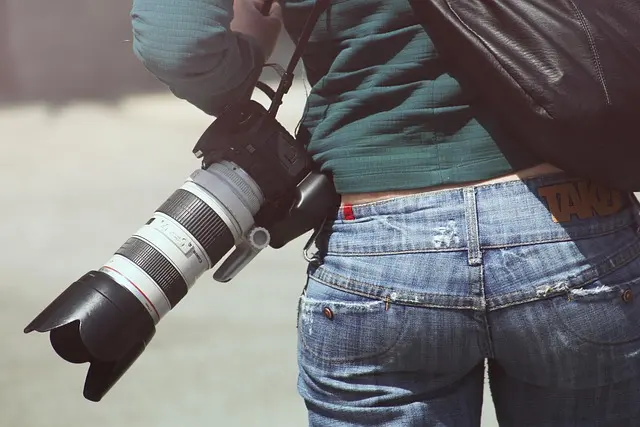
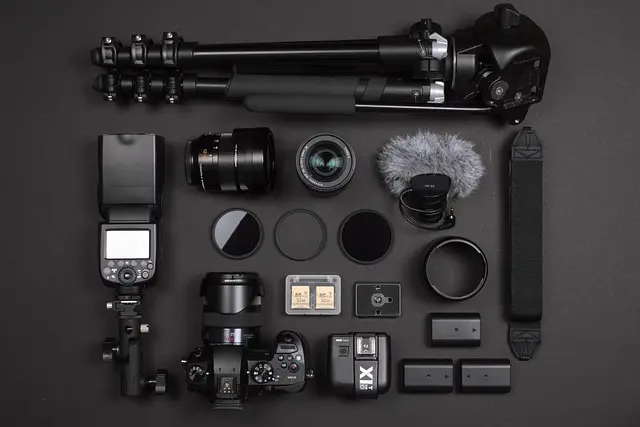
While talent is essential, having the right equipment is equally important to start your photography career. Invest in a DSLR or mirrorless camera that suits your chosen niche, along with quality lenses and essential accessories. You don't need to have the most expensive gear initially; instead, focus on what fits your budget and serves your purpose. We have selected several products that would complement your equipment needs.
4. Develop Your Skills
Practice makes perfect, and photography is no different. Continually refine your skills by taking photos often, experimenting with different settings, and editing techniques. Participating in local workshops or online courses can enhance your learning. According to U.S. Bureau of Labor Statistics, photographers who continuously upgrade their skills often find better job prospects. Consider dedicating time each week to practice or challenge yourself with themed photography projects to diversify your portfolio.
5. Build Your Portfolio
A strong portfolio is critical for demonstrating your distinctive style and capabilities to potential clients. Start by compiling your best work in a range of styles that reflect your niche. Utilize platforms like Adobe Portfolio or Squarespace to create an online presence where you can showcase your work professionally. Make sure to update your portfolio regularly to include your latest projects and reflect your evolving style.
6. Network with Other Photographers
Networking can open doors for your photography career. Attend local photography meetups, workshops, and exhibitions to meet others in the industry. Engaging with online communities, like photography forums and social media groups, can also help you connect with experienced professionals. Connections may lead to collaborations, mentorship opportunities, or valuable referrals. According to research by LinkedIn, about 85% of jobs are filled through networking, so don't underestimate its importance in photography!
7. Market Yourself
In today’s digital age, effective self-promotion is key to starting your photography career. Leverage social media platforms, like Instagram and Pinterest, to share your work and engage with your audience. Crafting a personal brand that conveys your unique style can attract potential clients. Additionally, consider launching a blog or video series showcasing your photography processes and insights. Consistent branding across platforms builds recognition and reliability.
8. Set Up Your Business Structure
Once you start attracting clients, it's essential to have a solid business structure in place. Choose a business structure that works best for you—be it a sole proprietorship, partnership, or LLC. Additionally, research the necessary licenses and permits required in your area for photography services. Keeping accurate financial records and considering tax implications from the onset will save you headaches later.
9. Stay Updated with Trends
Photography is constantly evolving, with new trends and technologies emerging every day. Follow influential photographers, subscribe to photography magazines, and attend industry conferences to stay informed. Understanding social media trends and how they affect visual storytelling is crucial—especially as platforms continue to prioritize visual content. Keeping abreast of the latest trends ensures your work remains relevant and appealing to modern audiences.
10. Stay Resilient and Adaptable
In the beginning stages of your photography career, challenges will arise. Staying resilient and adaptable can help you navigate obstacles and setbacks. Learn from criticism, monitor client feedback, and don't be afraid to adjust your approach. Remember, photography is not just about technical skills; it’s also about creativity and persistence. Adopting a growth mindset can distinguish you from others in this competitive field.
📺 Resource Video
For further insights, watch [how to start a photography career: tips from the pros] on YouTube to learn from seasoned photographers.
Checklist before buying equipment
- [ ] Verify niche focus
- [ ] Research equipment options
- [ ] Compare budget and quality
- [ ] Consider necessary accessories
- [ ] Look into online recommendations
Glossary
| Term | Definition |
|---|---|
| Exposure | The amount of light that reaches your camera sensor. |
| Aperture | The opening in your lens that controls light intake and depth of field. |
| ISO | The sensitivity of your camera sensor to light. |
> 🧠 Quick Quiz: What is the most important factor in photography?
> - A) Equipment quality
> - B) Lighting conditions
> - C) Creativity
> Answer: C — Creativity is key to capturing unique and engaging images.
📺 Pour aller plus loin : how to start a photography career tips sur YouTube
Recommended products
Selected by our experts
Chess Evolution Alexander Beliavsky - Legendary Chess Careers - Part 2
houseofstaunton.com
This book offers valuable insights into successful photography careers, making it an excellent resource for aspiring photographers looking to learn from industry experts.