Table of Contents (16 sections)
Becoming a proficient photographer is not solely about having the latest gear, but rather mastering the art and science behind capturing stunning images. In 2026, photography has evolved into not just a hobby but a vital communication tool across various platforms. This article outlines ten essential steps to effectively refine your photography skills, whether you're a novice trying to find your footing or an advanced photographer looking to hone your craft further.
1. Understand the Fundamentals of Photography
To refine your photography skills, begin by grasping the fundamental principles of photography. This includes understanding concepts such as aperture, shutter speed, ISO, and composition. Utilize resources like books from National Geographic and online courses from platforms such as Coursera or Udemy to deepen your understanding. A sound foundational knowledge enables you to manipulate these elements creatively. For instance, knowing how to adjust the aperture affects the depth of field, allowing you to focus on your subject while softening the background. This skill is crucial for portraiture and landscape photography alike.
2. Invest in Quality Gear
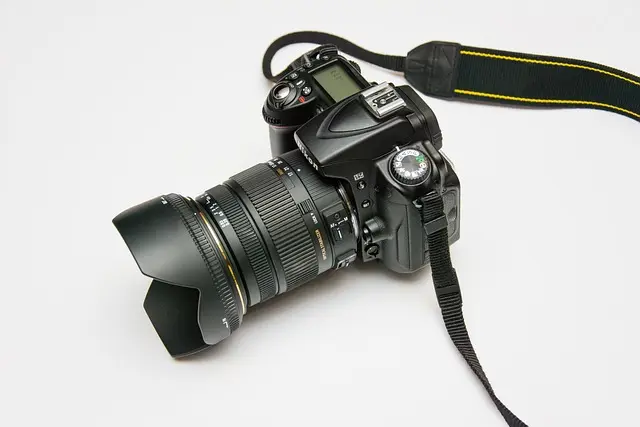
While it's true that skills can compensate for inadequate equipment, having reliable gear elevates the experience. From cameras to lenses and tripods, the right tools make a significant difference. Research tools that fit your style of photography; for example, a fast lens is ideal for low-light shooting, whereas a sturdy tripod is crucial for landscape photography. Our recommendations below include products that cater to various budgets, helping enhance your skills by ensuring you have the equipment necessary to shoot under various conditions.


3. Practice Regularly
Practice is key to mastering photography. Set yourself challenges or goals, such as a 30-day photo challenge where you capture a specific theme daily. This approach forces you to think creatively and adapt to different settings, lighting, and subjects. Regular practice not only improves technical skills but also builds your confidence. According to a study by the American Psychological Association, consistent practice helps form neural pathways that enhance creative thinking, making you a more versatile photographer.
4. Study the Work of Other Photographers
Analyzing the work of accomplished photographers can provide valuable insights. Identify photographers whose styles resonate with you and study their techniques. Attend exhibitions, follow them on social media, and read about their methods and philosophies. The Photographic Society of America often showcases outstanding portfolios that can serve as inspiration. Emulating styles and then blending these into your unique approach can foster significant growth in your artistic voice.
5. Mastering Composition Techniques
A good photograph conveys more than just a beautiful subject; it tells a story. Thus, mastering composition techniques like the rule of thirds, leading lines, and framing is crucial. Experiment with these methods to find what resonates most with your vision. For instance, the rule of thirds suggests placing the subject off-center to create a more engaging image. According to Camera Labs, effective composition elevates a standard photo into a mesmerizing one, often leaving viewers captivated.
6. Embrace Post-Processing
Post-processing has become an integral part of photography in 2026. Familiarize yourself with software like Adobe Lightroom or Photoshop for editing your images. Post-processing allows you to enhance your photos, correcting exposure issues, improving colors, or adding artistic effects. For example, a simple adjustment in brightness or contrast can turn a flat image into a vibrant masterpiece. Investing time in learning editing techniques can be as beneficial as the act of capturing the photograph itself.
📺 For more in-depth techniques, check out this video on refining your photography skills!
7. Join a Photography Community
Engaging with a community allows you to network, seek feedback, and grow. Whether it’s online forums or local groups, platforms like Flickr and 500px host communities where photographers share their work and critiques. Participating actively can spark inspiration and motivation. Moreover, constructive criticism can highlight skills needing improvement, accelerating your learning process. According to research from Peer-reviewed Journal of Social Psychology, individuals involved in collaborative communities tend to achieve their goals faster.
8. Set Specific Goals
Setting specific, achievable goals is instrumental in refining your photography skills. Perhaps you want to specialize in wildlife photography or improve your portrait skills. Goals provide direction and purpose. Track your progress and adjust your objectives as necessary; for instance, if you excel in portraits, consider transitioning to studio work. An adept photographer, Annie Leibovitz, frequently mentioned the importance of setting clear targets to maintain a focused learning trajectory.
9. Experiment With Various Styles
One of the most enjoyable aspects of photography is the ability to explore various styles. From street photography to long exposure shots, dabble in different genres. Not only does this broaden your skill set, but it also enhances your adaptability as a photographer. Experimentation often leads to discovering unique perspectives and approaches within your work that define your artistic voice. According to the Visual Communications Journal, experimentation fosters innovation, leading to a richer creative output.
10. Seek Feedback and Constructive Criticism
Lastly, do not hesitate to seek feedback on your work. Sharing your images with peers or mentors enables you to gain diverse perspectives. Constructive criticism is invaluable; it identifies areas that need improvement and reinforces your successes. Programs like critiques at photography clubs or online platforms can provide targeted feedback. This iterative loop of creating, receiving feedback, and implementing improvements cultivates a dynamic learning process. Photopreneur emphasizes that engaging with critiques significantly accelerates skill enhancement.
Checklist Before Buying Photography Gear
- [ ] Research camera models based on your style
- [ ] Compare lens options for versatility
- [ ] Check the durability of accessories like tripods
- [ ] Read reviews and user experiences
- [ ] Set a budget that aligns with your photography goals
Glossary
| Term | Definition |
|---|---|
| Aperture | The opening in a lens through which light passes. Larger openings provide more light and a shallower depth of field. |
| ISO | The sensitivity of the camera sensor to light. A higher ISO is useful in low-light conditions but can introduce noise. |
| Composition | The arrangement of elements within a photograph, significantly impacting its aesthetic and storytelling elements. |
Conclusion
Refining your photography skills is a continuous journey that involves practice, education, and experimentation. By following these essential steps, you can enhance your craft and express your unique perspective through the lens. Remember to stay engaged with your community and always be open to learning and evolving.
Recommended Products
Découvrez nos recommandations ci-dessous pour améliorer votre expérience photographique et affiner vos compétences.
🧠 Quiz rapide : What is the primary function of ISO in photography?
- A) Controls the shutter speed
- B) Affects the aperture size
- C) Determines the sensor's sensitivity to light
Réponse : C — ISO determines the sensor's sensitivity to light, with higher values allowing for shooting in lower light conditions.
📺 Pour aller plus loin : photography skills refinement 2026 sur YouTube
Recommended products
Selected by our experts
Clé de Peau Beauté Skin-refining Clay Scrub (3.6 oz)
cledepeaubeaute.com
This skin-refining clay scrub is essential for photographers who need to maintain clear skin during long outdoor shoots.
Clé de Peau Beauté Refining Pressed Powder (5 g)
cledepeaubeaute.com
This pressed powder is ideal for ensuring a flawless look during photo sessions, helping to maintain professionalism.