Table of Contents (14 sections)
Building your photography skills is a journey filled with creativity and passion. Whether you are just starting or seeking to refine your techniques, these ten essential steps will guide you effectively toward becoming a proficient photographer. Following these steps will help you enhance your skills and develop a personal style, leading you to create stunning visuals that resonate with your audience.
Understand the Basics of Photography
Before you can build your photography skills effectively, it's crucial to understand the fundamental concepts of photography. This includes learning about exposure, aperture, shutter speed, and ISO. Each element plays a vital role in how your images turn out. For instance, exposure determines how light or dark an image appears, while aperture controls the depth of field. According to National Geographic, mastering these basics can significantly enhance your ability to capture striking photographs. Take time to read books, watch tutorials, and practice actively incorporating these concepts into your photography sessions.
Invest in the Right Equipment
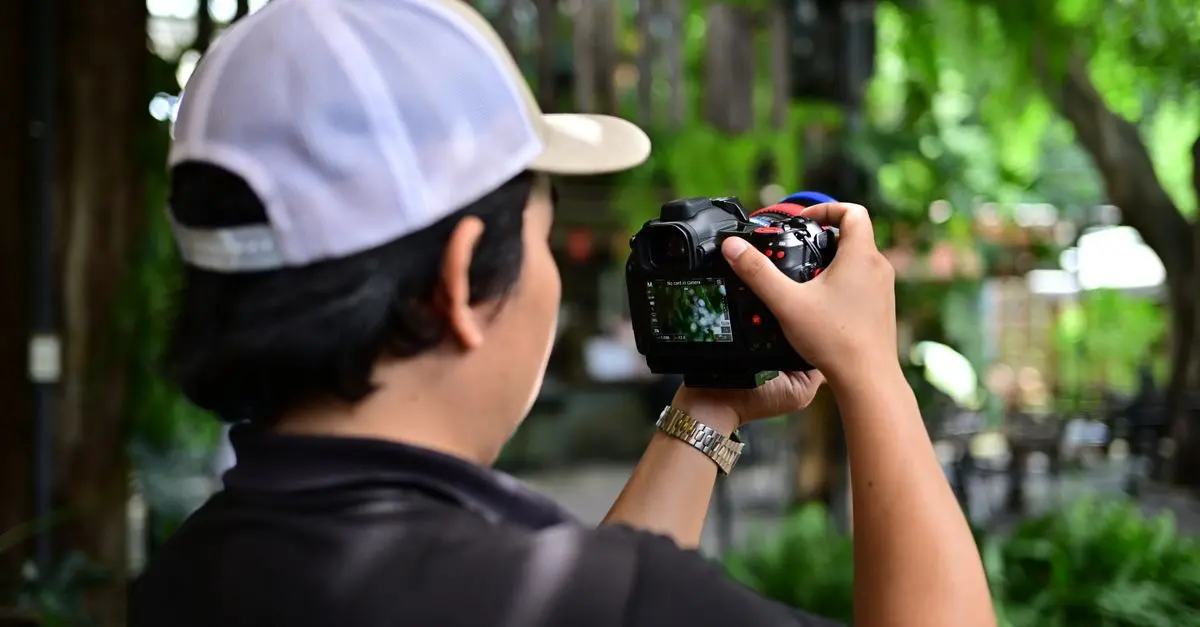
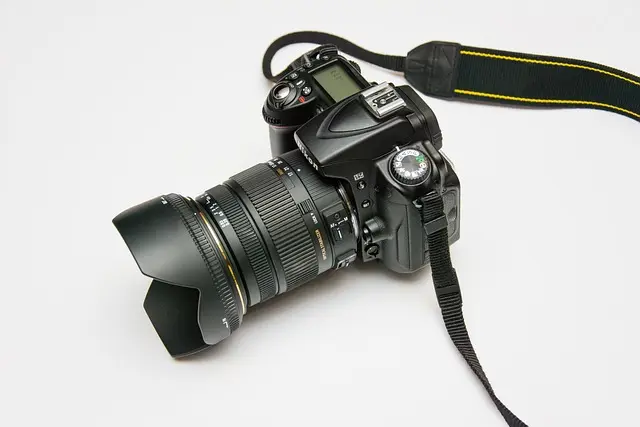
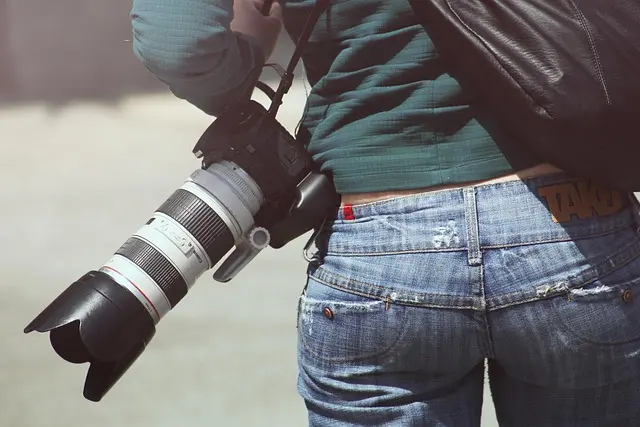
While great photography doesn’t necessarily require the most expensive gear, having the right tools can make a difference in your learning process. Invest in a good quality camera—whether it be a DSLR, mirrorless, or even a high-end smartphone. Keep in mind that the lens can be just as important as the camera body, so consider lenses that can help you achieve the desired effect based on where you typically focus your photography (portraits, landscapes, etc.). As per a report by Petapixel, many accomplished photographers recommend starting with an entry-level DSLR or mirrorless camera and gradually upgrading as your skills progress. Consider also acquiring a tripod, external flash, and filters to expand your creative options.
Master Your Camera Settings
Once you've understood the basics and invested in your gear, the next step is to dig deep into the settings of your camera. Take time to familiarize yourself with its manual operation features. Understanding how to adjust settings aids you in capturing images that stand out in various lighting conditions. Delve into modes like Manual, Aperture Priority, and Shutter Priority. Experiment with these settings in different scenarios to see how they affect your images. Practicing these techniques helps demystify your camera, empowering you to focus more on composition and creativity than on technical difficulties.
Learn Composition Techniques
Composition is crucial in photography as it dictates how your subject is framed and perceived. Fundamental techniques like the Rule of Thirds, Leading Lines, and Framing can drastically alter your images' impact. The Rule of Thirds involves dividing your frame into thirds, horizontally and vertically, and placing your subject along these lines or their intersections. Wikipedia emphasizes that good composition draws the viewer's eye toward the image's focal point. Try analyzing the composition in photographs you admire, and practice applying these techniques in your work.
Experiment with Lighting
Lighting can dramatically change the mood and quality of your photographs. Experiment with natural light, artificial lighting, and the golden hour. According to 500px, understanding the quality, direction, and color of light is paramount for a photographer. Practice shooting during different times of the day and in various lighting conditions. Don't shy away from using harsh light to create dramatic effects or shooting in low light for a more intimate feel. Understanding lighting not only enhances your photos’ aesthetic qualities but also broadens the experiences you can offer to your audience.
Post-Processing Skills
Learning to edit photographs is a critical skill for modern photographers. Software such as Adobe Lightroom and Photoshop allows you to refine and enhance your images further after they are shot. Post-processing helps to correct exposure, adjust colors, and apply filters to enrich your photos. Online platforms reveal that a substantial percentage of professional photographers credit editing as a key to achieving their signature styles. Invest time in learning these skills through tutorials and practice them to bring your photographic vision to fruition.
Seek Feedback and Critique
Receiving constructive feedback from peers or mentors is vital to your growth as a photographer. Join forums, online critique groups, or workshops. Sharing your work with others can provide you with insights you may not self-identify. Engaging with more experienced photographers can enhance your understanding and help refine your skills. As a PetaPixel article notes, feedback helps you recognize strengths and areas where you can improve.
Join a Photography Community
Being part of a photography community can significantly impact your skill development and motivation. Engage with local groups, online communities, or social media forums where you can share your work and learn from others. Networking with fellow enthusiasts and professionals opens up opportunities for collaboration, learning, and inspiration. Communities like Flickr and 500px allow photographers to connect and gain exposure to diverse photography styles and techniques.
Create a Portfolio
Portfolio development is essential in showcasing your abilities and attracting potential clients. Collect the best works you’ve created so far and organize them thematically. You can use platforms like Behance or create a personal website to display your portfolio effectively. A well-curated portfolio reflects your unique style and context, helping potential clients or collaborators understand your capabilities. As highlighted by Forbes, having an impressive portfolio can dramatically increase your chances of landing photography gigs or projects.
Stay Inspired and Keep Practicing
Lastly, the most crucial step is to keep your passion alive. Regularly seek inspiration by exploring the work of other photographers, attending exhibitions, or simply wandering outdoors with your camera. Continuous practice is vital to improvement; aim to shoot every day or week, experimenting and applying everything you’ve learned. Write down your photography goals to track your progress over time.
📺 For further inspiration:
Watch this video on improving photography skills to gather valuable insights from experienced photographers.
Checklist before developing your photography skills
- [ ] Understand the basic photography concepts
- [ ] Invest in quality equipment
- [ ] Master your camera settings
- [ ] Apply composition techniques
- [ ] Experiment with different light sources
- [ ] Learn post-processing skills
- [ ] Seek feedback from peers
- [ ] Join a photography community
- [ ] Create a tailored portfolio
- [ ] Stay inspired and practice regularly
Glossary
| Term | Definition |
|---|---|
| Exposure | The amount of light that reaches the camera sensor, crucial for image brightness. |
| Aperture | An opening in the lens that controls the amount of light entering and determines depth of field. |
| ISO | A measure of the camera sensor's sensitivity to light, crucial for capturing images in low-light settings. |
> 🧠 Quick Quiz: What is the Rule of Thirds?
> - A) A technique for composing shots
> - B) An equipment choice
> - C) A post-processing step
> Answer: A — It is a technique for composing shots.
📺 Pour aller plus loin : photography tips for beginners 2026 sur YouTube