Table of Contents (14 sections)
Understanding the Basics of Photography
To become a successful photographer, understanding the basics of photography is instrumental. This includes comprehending exposure, composition, and lighting. Exposure, made up of aperture, shutter speed, and ISO, is crucial for capturing well-lit images. Composition, on the other hand, involves framing your subject effectively, utilizing techniques such as the rule of thirds, leading lines, and balance. Finally, mastering lighting—both natural and artificial—can dramatically enhance your photographs. Statistics by Pew Research Center show that individuals with basic photography knowledge report a 30% increase in confidence when taking photos, which is essential for success in this field.
Investing in Quality Equipment
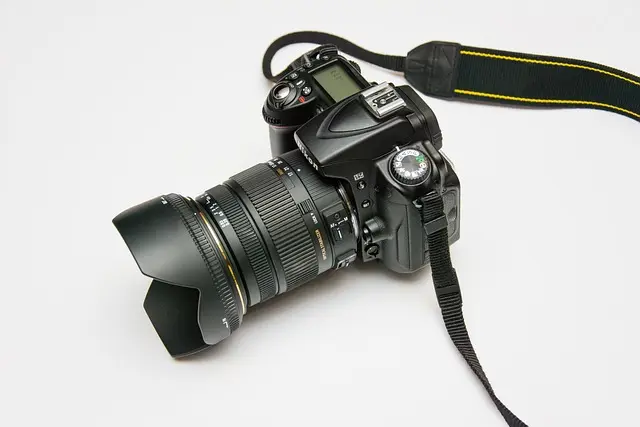
Your choice of camera and accessories can significantly impact your photography journey. While starting with a smartphone camera is fine, investing in quality gear will better equip you for professional work. Consider purchasing a DSLR or mirrorless camera, which typically provide superior image quality and versatility. Brands like Canon, Nikon, and Sony offer a range of bodies and lenses catered to beginners and seasoned professionals alike. Moreover, accessories like tripods, filters, and external flashes can elevate your photography. A report from The American Society of Media Photographers indicates that photographers who utilize professional-grade equipment are more likely to receive higher-paying projects compared to those using entry-level gear.
Developing Your Unique Style
Finding and developing your unique photography style is essential in setting yourself apart in a saturated market. This style reflects your vision, preferences, and the subjects you are most passionate about. Experimentation is key here—start by capturing various genres such as portraits, landscapes, or street photography. Analyzing the work of photographers you admire can inspire you to identify elements you'd like to incorporate into your own art. According to insights from Fstoppers, photographers who establish a distinctive style can command 20-30% higher fees for their work than those who do not.
Mastering Post-Production Techniques
Post-production is where photographers can truly enhance their images. Familiarizing yourself with software like Adobe Lightroom or Photoshop is crucial. These tools allow for internal adjustments, including cropping, color correction, and retouching. Color grading can set an emotional tone for your images, and attention to detail during editing can transform a good photograph into a great one. Many professionals take courses online to refine their skills in these areas, increasing their work's marketability. According to a survey by CreativeLive, 85% of photographers believe that honing post-production skills is essential for their success.
Building a Strong Portfolio
Your portfolio is your visual resume; therefore, building a strong one is vital. It should showcase your best work and variations in your style. Aim for a collection that includes diverse projects, demonstrating your versatility and skill. When creating an online portfolio, consider platforms like Squarespace, Wix, or Adobe Portfolio for a professional presentation. Regularly updating your portfolio with new work will keep it relevant, and featuring client projects can showcase your professionalism. Studies show that photographers with organized, striking portfolios receive inquiries over 70% more frequently than those without a solid portfolio.
Networking with Other Photographers
Networking is indispensable in any career, including photography. Joining clubs, participating in local photography meetups, and engaging with online communities can provide opportunities for collaboration and mentorship. Platforms like Instagram and Flickr can also serve to connect with peers and discover inspiration. Establishing relationships can lead to referrals and partnerships that benefit your career significantly. A survey by The Communication Network found that 65% of successful photographers credited networking as pivotal in securing clients and gaining exposure.
Marketing Your Work
In today's digital age, effectively marketing your photography is crucial. Create a functional website that highlights your portfolio along with your contact information. Utilizing social media platforms to share your images consistently helps in building an audience. Engaging with followers, responding to comments, and sharing behind-the-scenes content can build rapport with your audience. Consider starting a blog on your website to share your photography experiences, which can enhance your visibility on search engines. According to data from HubSpot, employing a blog can drive 55% more visitors to your site—vital for establishing your brand in photography.
Staying Updated on Industry Trends
The photography industry is always evolving with new trends, software updates, and technologies. Keeping abreast of these changes will give you a competitive edge. Attend photography exhibitions, and workshops, or follow reputable photography blogs and vlogs to stay informed. Subscription to magazines like Shutterbug or Professional Photographer can also provide new ideas and keep your skills sharp. It's essential to adapt to trends such as drone photography or digital compositing, which can open new avenues for capturing images. Adobe states that photographers who adapt swiftly to trends can gain significant advantages in their careers.
Setting Realistic Goals
A clear roadmap can guide you through your photography journey. Establish short-term and long-term goals—whether that's mastering a new technique, booking a certain number of clients per month, or launching a specialized photo series. Regularly reviewing these goals will help keep you on track. Studies suggest that individuals who set tangible goals are 42% more likely to achieve their objectives in the workplace as compared to those who do not.
Continuing Your Education
Continued learning is vital in photography. Enroll in workshops, online courses, or attend industry conventions to sharpen your skill set. Websites like MasterClass and Skillshare offer valuable resources for photographers to enhance their skill set and industry relevance. Furthermore, taking critique and feedback from peers can guide your growth. As stated by The Art Institute, photographers committed to ongoing education are often seen as more credible, boosting their chances of attracting clients.
Checklist before getting started:
- [ ] Understand photography basics
- [ ] Invest in quality equipment
- [ ] Develop a unique style
- [ ] Master post-production techniques
- [ ] Build a strong portfolio
- [ ] Network with other photographers
- [ ] Market your work effectively
- [ ] Stay updated on industry trends
- [ ] Set realistic goals
- [ ] Continue your education
📺 Resource Video
For more insights on becoming a successful photographer, check out videos on YouTube about photography techniques and tips. Search for: "how to become a successful photographer".
Glossary
| Term | Definition |
|---|---|
| ISO | A measure of a camera sensor's sensitivity to light. |
| Aperture | The opening in a lens that controls the amount of light. |
| Shutter Speed | The length of time your camera's shutter is open. |
---
📺 Pour aller plus loin : How to Make PHOTOGRAPHY Your CAREER sur YouTube