Table of Contents (14 sections)
Embarking on the journey to become a successful photographer can be both exciting and challenging. Photography isn't just about capturing images; it's about telling stories, expressing emotions, and connecting with your audience. Whether you're aiming to work as a professional photographer or wanting to elevate your passion, knowing the essential steps is crucial to your success. In this article, we'll explore ten fundamental steps that can guide you to thrive in the world of photography.
1. Understand the Basics of Photography
Knowing the basics is essential for anyone who wishes to become a successful photographer. This includes understanding key concepts like exposure, aperture, shutter speed, and ISO. Each of these elements plays a crucial role in how your images turn out. For instance, a good grasp of exposure will help you decide how much light your camera sensor receives, which can dramatically impact your photos. Consider taking a photography course or utilizing online resources to solidify your understanding before diving deeper into specialized photography.
2. Choose Your Niche
Photography is a vast field with many niches, from portrait and landscape photography to commercial and documentary photography. Choosing a specific niche ultimately helps you hone your skills and target your audience. For instance, if you feel a passion for capturing landscapes, focusing on that can lead you to discover your unique voice and style. Explore different types of photography, and don't hesitate to experiment until you find the niche that resonates with you the most.
3. Invest in Quality Equipment
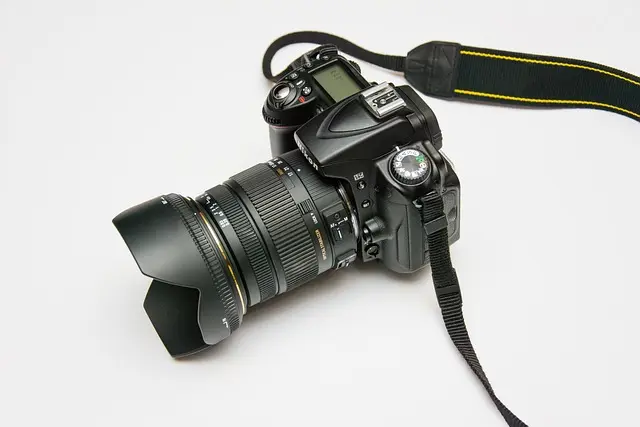
While it's true that a great photo can be taken with any camera, investing in quality equipment is important as you advance in your photography journey. Look for cameras that suit your niche. For example, if you're into wildlife photography, a DSLR with a fast autofocus system might be more suitable. Additionally, the lens you choose can greatly affect your results, so be sure to consider your options carefully. Prioritize brands with reputable customer satisfaction ratings and good warranties.
4. Master Post-Processing Skills
Once you have a collection of images, the work doesn't stop there. Mastering post-processing is vital to present your images in their best form. Familiarize yourself with software such as Adobe Lightroom or Photoshop, which are industry standards for editing photographs. Learn tricks to adjust lighting, color balance, and cropping to enhance your images. These skills allow you to transform good photos into great ones, making your portfolio even more appealing to potential clients.
5. Build a Strong Portfolio
A portfolio is essential for any photographer hoping to land clients or exhibit their work. It should showcase your best images and the diversity of your skills. Curate pieces that reflect your style and the niche you've chosen, ensuring that each photo represents your abilities effectively. Online platforms such as Instagram, 500px, and personal websites can serve as great platforms for sharing your portfolio. Regularly update it to keep it fresh and representative of your current level of skill.
6. Establish Your Online Presence
In today’s digital age, having a robust online presence is crucial for any photographer. Create professional profiles on social media platforms and engage with your audience. Joining photography forums and groups can also help you network with other professionals and potential clients. Regularly posting content, whether it's behind-the-scenes shots, completed projects, or helpful tips, can enhance your visibility and lend credibility to your brand as a photographer.
7. Network with Other Photographers
Building relationships in the photography community can provide you with invaluable learning opportunities and support. Attend workshops, seminars, and local photography meet-ups to connect with fellow photographers. Collaborating on projects or exchanging critiques can also enhance your skills and broaden your perspective. Networking not only helps build your reputation but can lead to potential job opportunities and referrals.
8. Learn About Business Practices
If you wish to become a professional photographer, it's essential to understand the business side of things. Knowing how to market your services, manage finances, and navigate contracts will set you apart. Take time to research strategies to promote your work effectively and develop a pricing model that reflects your skill level and the value you provide. Many photographers find it beneficial to consult with business mentors or attend workshops focused specifically on photography business practices.
9. Stay Consistent and Keep Learning
Photography is an ever-evolving field, and staying current is key to remaining relevant. Continue to learn new techniques, trends, and technologies in photography. Attend workshops, read books, and watch tutorials to keep your skills sharp. Regularly challenging yourself with new projects can help you grow as an artist. Remember that consistency is essential; the more you practice, the more confident and skilled you become.
10. Seek Feedback and Adapt
Constructive feedback is vital for improvement. Share your work with others and be open to criticism. Listen to what resonates with your audience, but also stay true to your vision. Adaptability allows you to develop your skills and refine your style over time. Seeking feedback from both clients and fellow photographers can help you identify areas for growth while celebrating your successes along the way.
📺 Resource Video
> 📺 To go further: Watch tutorials on photography essentials and tips for building your portfolio. Search on YouTube: how to create a photography portfolio 2026.
Checklist before starting your photography journey
- [ ] Understand the basics of photography concepts
- [ ] Choose a niche that resonates with you
- [ ] Invest in quality camera and equipment
- [ ] Master post-processing skills with editing software
- [ ] Build and curate a strong portfolio
- [ ] Establish an online presence through social media
- [ ] Network and connect with photographers
- [ ] Learn about photography business practices
- [ ] Stay consistent in your learning and practice
- [ ] Seek feedback and adapt your techniques
Glossary
| Term | Definition |
|---|---|
| Aperture | The opening in a lens through which light passes, affecting exposure and depth of field. |
| Portfolio | A collection of a photographer's best work to showcase their skills and style. |
| Post-Processing | The digital editing of photographs to enhance their quality and presentation. |
> 🧠 Quick Quiz: What is the most important aspect of creating a successful photography portfolio?
> - A) Number of Projects
> - B) Quality of Images
> - C) Social Media Presence
> Answer: B — Quality of images is crucial in showcasing your skills effectively.
📺 Pour aller plus loin : How to Build a Professional Photography Portfolio in Under 10 Minutes sur YouTube