Table of Contents (15 sections)
Becoming a photographer is more than just owning a camera; it's about cultivating a passion for capturing moments and telling stories through images. Whether you're aiming to become a professional or just want to hone your skills as a hobbyist, understanding the steps involved in this journey is crucial. Here, we'll explore the 10 essential steps to help you successfully embark on your photography career.
1. Develop Your Passion for Photography
The first step to becoming a photographer is to nurture your interest. Passion fuels creativity and innovation, which are vital in photography. Immerse yourself in the world of photography by following photographers on social media, attending exhibitions, and reading photography books. Connecting with fellow photography enthusiasts can inspire you and give you fresh perspectives on techniques and styles. As Ansel Adams, a legendary photographer, once said, "You don’t take a photograph, you make it." This underscores the need for you to not just see but to actively create.
2. Invest in the Right Equipment
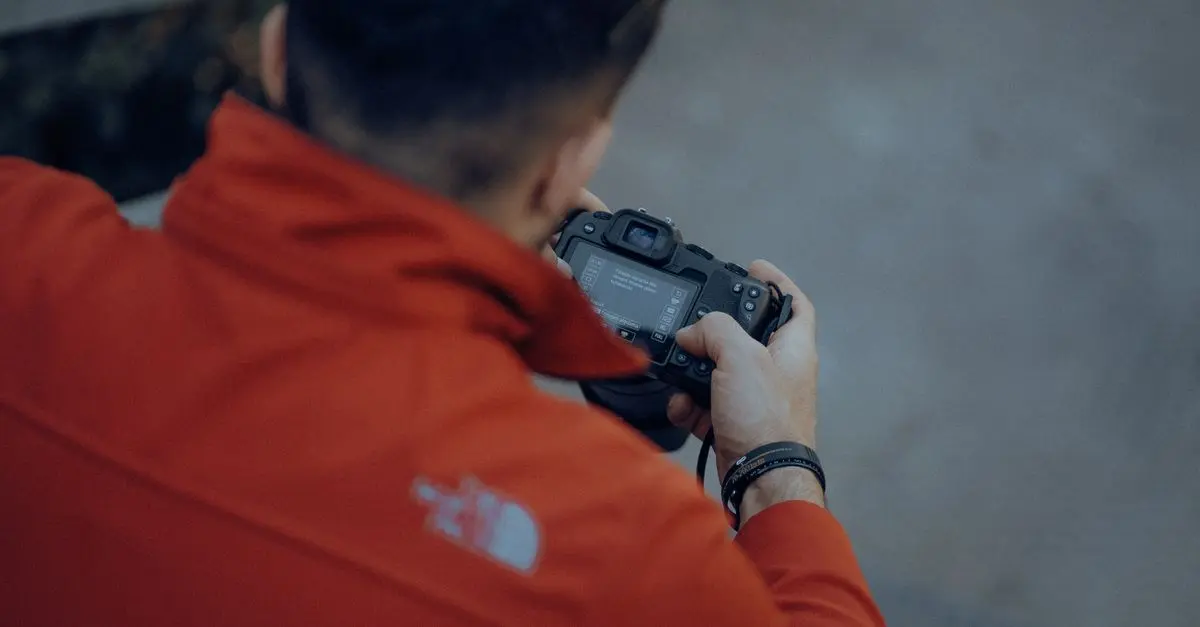
While good photography can be achieved with a variety of equipment, investing in the right gear is vital. Initially, you don’t need to break the bank; a decent camera, a couple of lenses, and a tripod may suffice. However, understanding what equipment best fits your photography style is essential. For instance, a DSLR or mirrorless camera can offer you flexibility, while a prime lens can enhance portrait photography. Consider our carefully curated selection of photography products to find the best equipment for your needs.

3. Learn the Basics of Photography
To become a proficient photographer, understanding the fundamentals is non-negotiable. Grasping concepts like exposure, composition, and lighting will greatly enhance your images. There are countless online courses and tutorials available for free and for purchase. The National Geographic offers excellent resources for aspiring photographers. Furthermore, consider practicing by following basic photography assignments; this helps solidify your knowledge through real-world application.
4. Understand Post-Processing Techniques
In today’s digital age, mastering post-processing is as important as capturing the photo itself. Software such as Adobe Lightroom and Photoshop allows photographers to enhance their images dramatically. Familiarize yourself with essential editing techniques like cropping, adjusting brightness, and color correction. Learning how to effectively use these tools can elevate your photography and give it a polished, professional finish. Explore tutorials on YouTube to get started with editing techniques.
5. Create a Portfolio
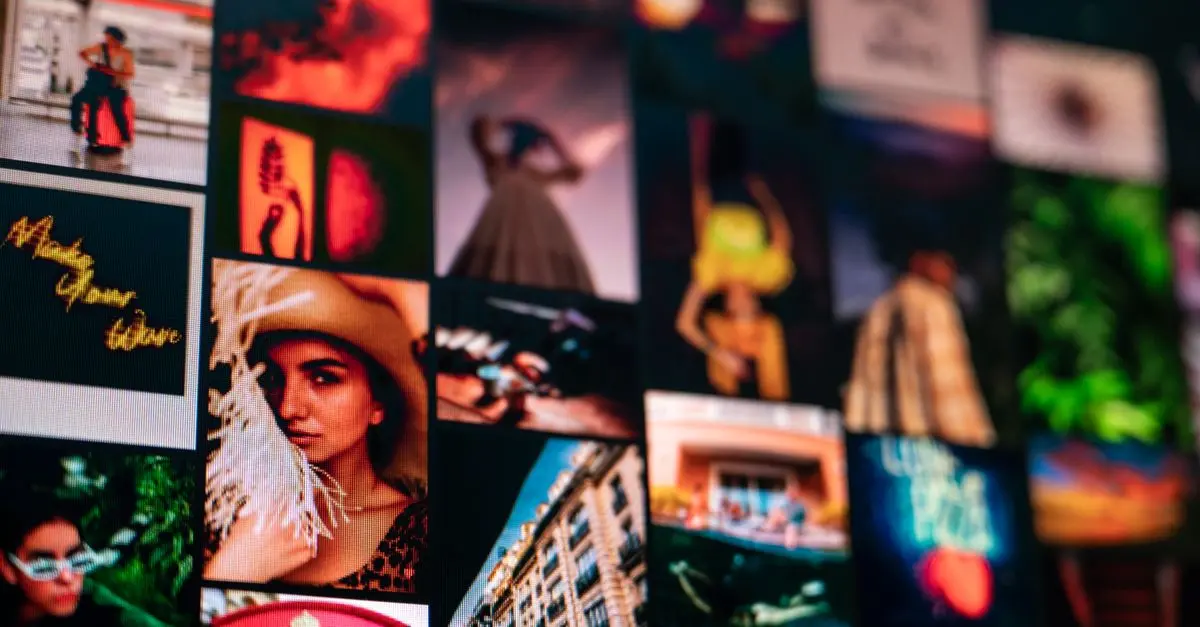
Once you’ve garnered some experience and developed your style, compiling a portfolio is essential. A well-curated portfolio showcases your best work and serves as a visual resume when seeking clients or jobs. Focus on diversity; include different styles and subjects of photography to appeal to a broader audience. Don't hesitate to get feedback from peers or mentors to help refine your selection. A professional-looking website can also serve as an excellent platform for your online portfolio.
6. Understand Different Photography Genres
Photography is not just a single discipline; it's a world filled with various genres, from portrait to landscape photography. Take the time to explore different genres to find which resonates with you the most. Each genre has its unique challenges and requirements. For instance, portrait photography often demands good interpersonal skills, whereas landscape photography requires knowledge of natural lighting. Understanding where your interest lies will help you focus your efforts accordingly.
7. Build Your Network
Networking is crucial in the photography business. Attend photography workshops, join local photography clubs, and engage with photographers on social media platforms. Building connections with other photographers, models, and potential clients can help you find job opportunities, receive critiques, and establish collaborative projects. This community can provide support and insights that speed up your growth as a photographer.
8. Master Your Camera
Understanding how to use your camera thoroughly can dramatically affect the quality of your photos. Spend time learning your camera’s settings and features, such as aperture, shutter speed, and ISO. Experimenting with different modes, from manual to aperture priority, will help you see which settings yield the best results in various scenarios. Mastery of your camera translates into greater creativity and confidence in your photography.
9. Stay Updated with Photography Trends
Photography continuously evolves with new techniques, technology, and trends. Stay up to date with the latest trends by following photography blogs, subscribing to magazines, or engaging in online forums. Fstoppers and Petapixel are excellent platforms that provide regular insights into photography trends and innovations. Additionally, understanding what’s trending can provide great inspiration for your work.
10. Be Persistent and Keep Practicing
Finally, the key to success in photography is persistence. As with any skill, practice is essential. Dedicate time each week to shoot photos and enhance your skills. Create challenges for yourself to stay motivated and push your creative boundaries. Photography is as much about trial and error as it is about understanding techniques. Embrace mistakes as learning experiences that will make you a better photographer.
📺 To go further:
[Learn the Basics of Photography], a comprehensive guide to help beginners master the art of capturing stunning images. Search for insights on YouTube using the query: "how to start photography for beginners 2026."
Checklist before starting your photography career
- [ ] Develop your passion for photography
- [ ] Invest in the right equipment
- [ ] Learn the basics of photography
- [ ] Understand post-processing techniques
- [ ] Create a professional portfolio
- [ ] Explore different photography genres
- [ ] Network with other photographers
- [ ] Master your camera settings
- [ ] Stay updated with photography trends
- [ ] Be persistent and keep practicing
Glossary
| Terme | Définition |
|---|---|
| Exposition | La quantité de lumière qui atteint le capteur, influencer la luminosité de l'image. |
| Composition | La manière dont les éléments d'une photo sont agencés pour créer une image attrayante.
| Post-traitement| Processus de retouche et d'amélioration des photos après leur capture.
📺 Pour aller plus loin : how to start photography for beginners 2026 sur YouTube
Recommended products
Selected by our experts
Pai Skincare All Becomes Clear
thedetoxmarket.com
This face serum is essential for photographers who need to maintain healthy skin while spending time outdoors and capturing images.