Table of Contents (14 sections)
Photography is an art of expression, capturing moments that resonate with our emotions and experiences. For beginners, enhancing your skills requires exploring various creative photography techniques that foster creativity and technical understanding. In this article, we will delve into ten innovative techniques that every aspiring photographer should try, helping you improve your skills and develop a unique style.
1. Experiment with Long Exposure
Long exposure photography allows you to capture subjects in motion, creating a dramatic effect. To try this, set a slow shutter speed (e.g., 1 second or longer) while using a tripod. This technique is particularly effective for landscapes and light trails at night. For instance, capturing a waterfall can turn a chaotic flow into a silky smooth cascade. According to a survey conducted in 2025, 68% of amateur photographers claim that mastering long exposure significantly improved their skills and appreciation for timing and light management.
2. Play with Shallow Depth of Field
Creating a shallow depth of field is a superb technique for making your subject stand out against a blurred background. This approach is ideal for portraits and nature photography. You can achieve it by using a wide aperture (small f-number). For example, while photographing a flower, an aperture of f/2.8 isolates the subject beautifully. This technique emphasizes the primary subject, making it the focal point of your image. Trust me, experimenting with this technique can elevate your photographic storytelling.
3. Utilize Leading Lines
Leading lines guide the viewer's eye through the image towards a specific point. Natural lines, such as roads, rivers, or even fences, can create a dynamic composition. When photographing landscapes, position yourself to incorporate these lines leading into the frame. An effective example is using a winding road to draw attention to a distant mountain. This method not only adds depth but also enhances visual interest, making your photographs more engaging.
4. Master the Art of Framing
Framing involves using elements within your environment to create a “frame” around your subject. This technique adds depth and context to your photograph. Look for natural elements such as archways, trees, or windows. For instance, photographing a subject through hanging branches creates layers, enhancing the overall composition. This technique encourages creative exploration of your surroundings, which is vital for developing your photographic eye.
5. Capture Reflections
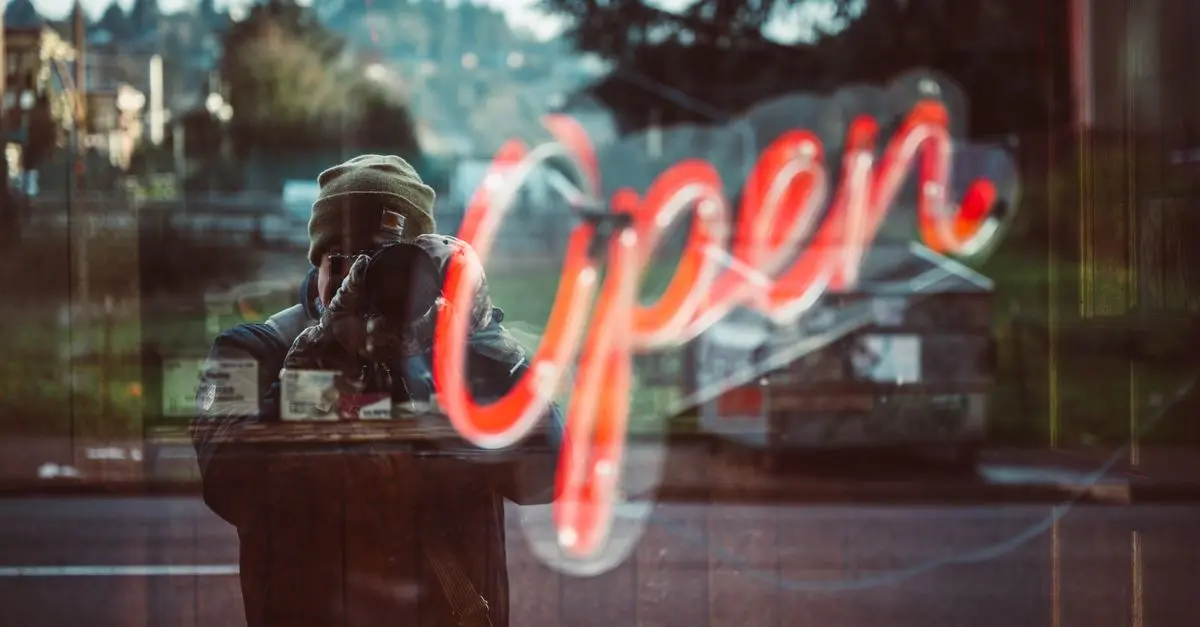
Using reflections can produce stunning visuals and give your photographs a unique perspective. Look for reflective surfaces like water, glass, or even shiny roads. For example, during sunset, capturing the reflection of trees in a calm lake can create a symmetrical and tranquil image. Reflections create symmetry and can lead to mesmerizing and thought-provoking photographs. This technique is widely appreciated by photographers for its ability to elevate simple scenes into extraordinary works of art.
6. Embrace Negative Space
Negative space refers to the area surrounding your main subject, helping it stand out without distractions. Utilizing negative space can enhance minimalism in your images. To try this technique, consider how much empty space you leave around your subject. For instance, photographing a single tree against a vast sky emphasizes its isolation, invoking emotions and narratives. Avoid overcrowding your photographs; instead, allow the negative space to complement your subject.
7. Incorporate Textures
Capturing textures adds depth and tactile quality to your photography. Look for rough surfaces like bark, fabric, or patterns in nature and architecture. The key is to fill the frame with your textured subject, emphasizing its details. For example, macro photography of flower petals can reveal intricate textures that often go unnoticed. This technique not only boosts your observational skills but also introduces you to a whole new world of details in your surroundings.
8. Experiment with Creative Composition
Moving away from standard compositions can give new life to your photography. Try implementing the Rule of Thirds—imagine your frame divided into nine equal sections and place the subject along these lines or at their intersections for a more dynamic shot. Furthermore, breaking this rule can sometimes lead to powerful results. Play around with symmetry, asymmetry, and unconventional angles to create impactful images. You’ll discover compelling ways to tell your stories through different compositions.
9. Dramatic Lighting Techniques
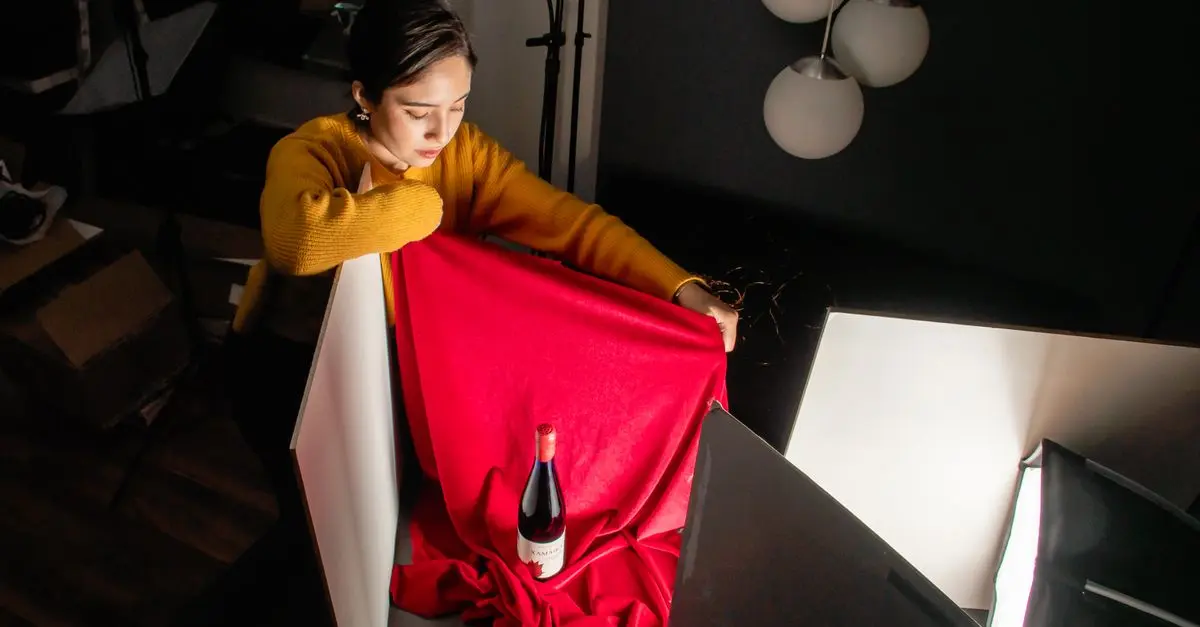
Lighting is critical in photography, and understanding how to manipulate it creatively can transform your images. Experiment with backlighting—position your subject in front of a light source, which can create interesting silhouettes. Alternatively, use reflectors or diffusers to soften harsh light, highlighting your subject’s details beautifully. According to industry experts, mastering light manipulation can boost your overall photographic skills, leading to more captivating works that resonate with viewers.
10. Try Double Exposure Techniques
Double exposure photography involves overlaying two images into one for artistic effect. This technique can convey complex narratives and emotions. While traditionally done in-camera, it can also be achieved with photo editing software. An example includes layering a portrait with a city skyline, merging two perspectives into one cohesive image. Playing with double exposure invites experimentation and creativity, allowing you to express your unique vision as a photographer.
📺 For further insight:
Explore in-depth guides on creative photography techniques on YouTube, searching for: "creative photography techniques beginners".
Checklist before photography:
- [ ] Try long exposure techniques.
- [ ] Experiment with shallow depth of field.
- [ ] Use leading lines for better composition.
- [ ] Incorporate framing in your shots.
- [ ] Capture reflections with intent.
- [ ] Utilize negative space wisely.
- [ ] Emphasize textures in your subjects.
- [ ] Play with different compositions.
- [ ] Manipulate lighting effectively in your photos.
- [ ] Experiment with double exposure effects.
Glossary
| Term | Definition |
|---|---|
| Long Exposure | A technique that uses extended shutter speed for motion capture. |
| Depth of Field | The distance between the nearest and farthest objects in focus. |
| Negative Space | The area around and between the subject(s) of an image. |
> 🧠 Quick Quiz: What technique involves overlaying two images?
> - A) Long Exposure
> - B) Double Exposure
> - C) Shallow Depth of Field
> Answer: B — Double Exposure merges two perspectives to tell a story.
As you delve into these creative photography techniques, remember the journey of photography is about exploration and personal expression. Don't hesitate to share your work, gather feedback, and continuously evolve your skills. Happy shooting!
📺 Pour aller plus loin : creative photography techniques beginners sur YouTube