Table of Contents (9 sections)
Photography is an art form that allows individuals to express themselves creatively while capturing the world around them. If you're eager to become a photographer, understanding the basics is crucial. This guide will walk you through the essential steps to get started in photography.
1. Understanding the Basics of Photography
To get started in photography, it's vital to grasp some foundational concepts. Photography literally means "writing with light," and understanding how light works is essential for capturing stunning images. You should familiarize yourself with basic terms such as exposure, aperture, ISO, and shutter speed, which play crucial roles in how photographs are created.
- Exposure: It refers to the amount of light that reaches the camera sensor, affecting the brightness of your photos.
- Aperture: This is the opening in the lens through which light enters. A lower f-stop number means a wider aperture, allowing more light, which is helpful in low-light situations.
- ISO: This is the sensitivity of your camera’s sensor to light. A higher ISO allows you to shoot in dimmer conditions but may introduce noise into your photos.
- Shutter Speed: This determines how long the camera's sensor is exposed to light. Faster shutter speeds can freeze motion, whereas slower speeds can create a blurred effect.
Understanding these concepts will give you a solid foundation to build upon as you progress in your photography journey.
2. Choosing the Right Camera Gear
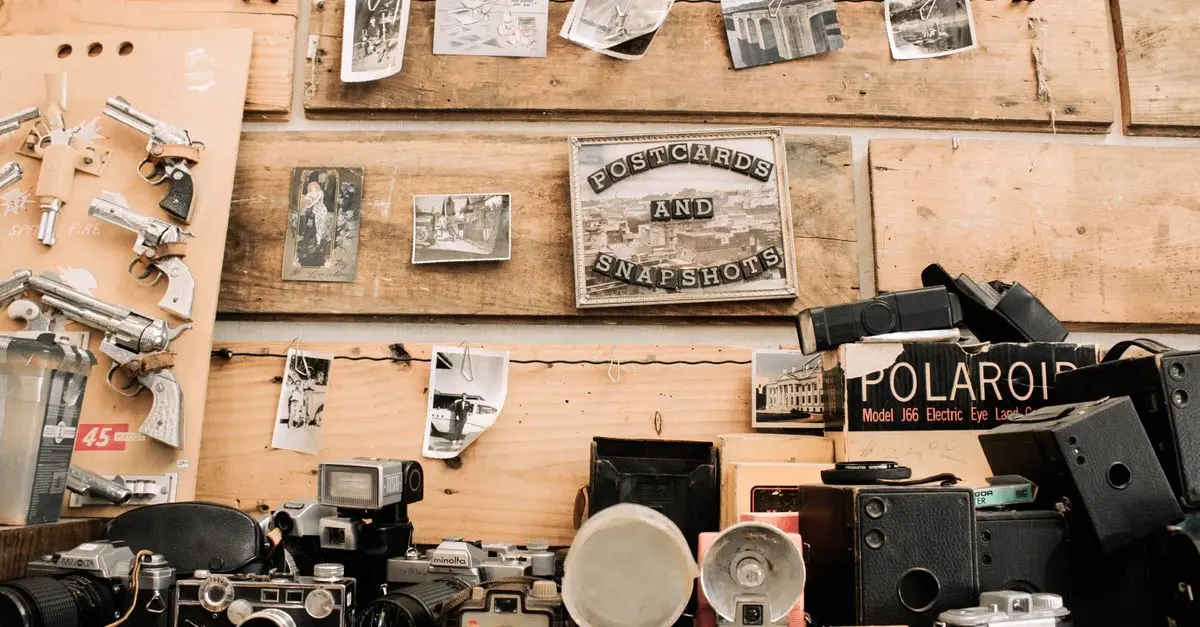
Once you understand the basics, the next step is selecting the appropriate camera gear. You don’t need the most expensive camera to get started. Many cameras are accessible and can produce stunning images. When looking for your first camera, consider the following:
- Types of Cameras: DSLRs, mirrorless cameras, or compact cameras. Each type has its pros and cons. For instance, DSLRs often provide better battery life and optical viewfinders, while mirrorless cameras offer a lighter alternative with advanced features. Compact cameras are perfect for casual users who appreciate portability.
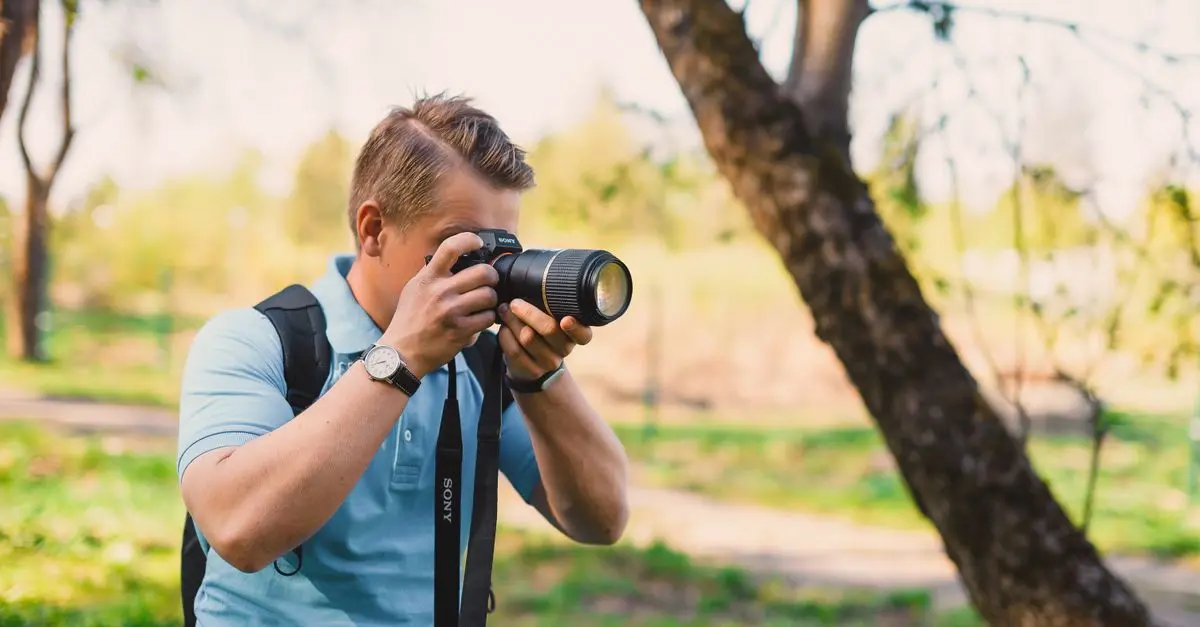
- Lenses: The lens you choose can significantly affect your photography. A versatile zoom lens serves well for various situations, while a prime lens may offer better quality for specific conditions.
- Accessories: Don't forget about essential accessories like a tripod for stability, extra batteries, and memory cards.
It’s important to invest wisely in gear that suits your needs, and as you grow more comfortable, you can expand your collection further.
3. Mastering Composition Techniques
Effective composition is critical in photography. It involves the arrangement of elements within a frame to produce visually engaging images. Here are some key composition techniques:
- Rule of Thirds: Imagine your frame divided into nine equal sections. Positioning key elements along these lines or at their intersections creates more tension, energy, and interest in your composition.
- Leading Lines: Use natural lines in your environment, such as roads or rivers, to lead the viewer's eye into the photograph.
- Framing: You can use elements within the scene (like tree branches) to frame your subject, adding depth and interest.
These composition techniques are starting points that can vastly improve your photographs. Practice incorporating these methods as you shoot, resulting in not just images, but pieces of art.
4. Practicing Regularly
The importance of practice cannot be overstated. To truly get started in photography, make a habit of shooting regularly. Experiment with different settings, environments, and subjects. Here are some tips for effective practice:
- Shoot Daily: Try to take at least one photo every day. This habit will sharpen your skills and help you develop your photographic eye.
- Challenges: Participate in photography challenges online or create your own. These challenges can inspire creativity and push you to explore new techniques and subjects.
- Analyze Your Work: After each shoot, review your photos critically. Consider what worked, what didn't, and how you can improve.
Practicing consistently is the best way to ensure you are continually improving your skills.
5. Learning from Others
Engaging with the photography community can be incredibly beneficial. Learning from others can provide different perspectives and insights that will help you grow. Consider the following:
- Workshops and Classes: Taking formal courses can help accelerate your learning. Look for local photography workshops or online classes to enhance your skills.
- Social Media and Forums: Joining photography groups on social media or photography-specific forums allows you to share your work, receive feedback, and learn from others.
- Follow Photographers: Look for photographers whose work resonates with you. Analyze their style and approach and take notes on what you can incorporate into your photography.
These elements will enrich your learning experience and help you gain confidence in your photography.
📺 For further exploration:
You can boost your photography skills by watching instructional videos. For instance, search for "beginner photography tips" on YouTube for free resources.
🧠 Quick Quiz: Which element is NOT a basic term in photography?
- A) ISO
- B) Aperture
- C) Pixel Density
Answer: C — Pixel Density is related to screen resolution, not basic photography terms.
Checklist Before You Start Photography
- [ ] Understand the basic concepts: exposure, aperture, ISO, shutter speed.
- [ ] Choose the right camera and accessories based on your needs.
- [ ] Practice composition techniques like the rule of thirds.
- [ ] Commit to shooting regularly and pushing your creative limits.
- [ ] Engage with the photography community for feedback and inspiration.
Glossary
| Term | Definition |
|---|---|
| Exposure | The amount of light that reaches the camera sensor, affecting photo brightness. |
| Aperture | The opening in the lens controlling light entry, affecting depth of field. |
| ISO | The sensitivity of the camera sensor to light, influencing image quality. |
By following these steps, you can get started in photography effectively. Remember, becoming a skilled photographer takes time, patience, and practice. So grab your camera, start exploring, and enjoy the process!
📺 Pour aller plus loin : beginner photography tips sur YouTube