Table of Contents (12 sections)
- Understanding the Basics of Photography
- Equipment and Settings: Getting Started
- Composition Techniques to Enhance Your Photos
- Post-Processing: Making the Most of Your Images
- Building a Portfolio and Seeking Feedback
- Setting Goals and Tracking Progress
- Checklist Before You Shoot
- FAQs
Understanding the Basics of Photography
Before diving into the technical aspects, it’s essential to have a solid understanding of photography fundamentals. At its core, photography is about capturing light. Whether you're taking pictures for personal enjoyment or aiming for a professional career, knowing how to manipulate light is crucial. The exposure triangle—comprising aperture, shutter speed, and ISO—is a foundational concept every photographer must understand.
Each element plays a vital role. The aperture controls the amount of light hitting the sensor; a wider aperture (lower f-stop number) allows more light and creates a shallower depth of field. Shutter speed, on the other hand, determines how long the sensor is exposed to light – fast speeds freeze action, while slow speeds can blur motion. Lastly, ISO measures the sensor's sensitivity to light. Lower ISO values produce clearer images with less noise, while higher values can introduce graininess but are useful in low-light conditions.
Understanding these concepts helps you make informed decisions while shooting, enabling you to express your creative vision effectively.
Equipment and Settings: Getting Started
Your choice of equipment can significantly impact your photography journey. However, starting doesn’t require the most expensive gear. Research shows that many successful photographers began with entry-level cameras. Choose a camera that feels comfortable for you, whether it's a DSLR, mirrorless, or even a high-quality smartphone.
Once you've selected your camera, take time to learn its features. Understand how to change settings like exposure and focus manually. Practice using different modes (like aperture priority and shutter priority) to see how they affect your photos. Familiarizing yourself with your camera will take time, but it’s essential.
In addition to the camera body, consider investing in essential accessories. A sturdy tripod stabilizes your camera during low-light shooting or long exposures. A variety of lenses will also expand your creative options—consider a versatile zoom lens and a prime lens for portraits.
Composition Techniques to Enhance Your Photos
Composition is crucial to creating visually appealing images. Mastering various composition techniques can elevate your photography. The Rule of Thirds is a great starting point; imagine your image divided into nine equal parts. Positioning your subject along these lines or their intersections can lead to more dynamic shots.
Incorporate leading lines to draw the viewer's eye into the photograph. Roads, rivers, or architectural elements can guide the viewer’s gaze towards the focal point. Framing is another powerful tool—use natural elements like branches or windows to frame your subject.
Lastly, don't forget about the importance of perspective. Experiment with different angles, whether high or low, to find unique ways to showcase your subject. Always challenge traditional views—take an ordinary scene and see what story you can tell with your composition choices.
Post-Processing: Making the Most of Your Images
Post-processing is a crucial step many photographers overlook. Editing allows you to refine your images and correct any mistakes from your shoot. Programs like Adobe Lightroom and Photoshop are industry standards, providing powerful tools for color correction, cropping, and more.
During the editing process, adjust exposure, contrast, saturation, and sharpness to enhance your photo's appeal. Be cautious, however, as over-editing can ruin the natural quality of your images. Aim for a subtle enhance rather than a complete transformation.
Additionally, investing time in learning about color theory can help you make better decisions during the editing phase. Applying color grading can drastically change the mood of your photographs, making them more compelling.
Building a Portfolio and Seeking Feedback
As you grow your skills, it’s vital to create a professional portfolio. Your portfolio should represent your best work and illustrate your unique style. Include various types of photos to show versatility, but maintain a cohesive aesthetic.
Seek feedback from peers or mentors. Engaging with online photography communities, such as forums or social media, can also provide valuable insights. Constructive criticism can pinpoint areas for improvement, motivating you to refine your skills. Share your work regularly but remember to leverage feedback to evolve continually.
Setting Goals and Tracking Progress
One of the best ways to grow is by setting achievable goals. Start by defining what you want to accomplish, whether it’s mastering a specific technique, exploring a new genre, or even entering photography contests. Google’s research indicates that goal-setting significantly enhances motivation and achievement.
Track your progress by keeping a journal or digital log. Note the skills you work on, feedback received, and reflections on what worked and what didn't. This practice can offer a clear perspective on your improvement over time.
Checklist Before You Shoot
- [ ] Check camera settings (ISO, aperture, shutter speed)
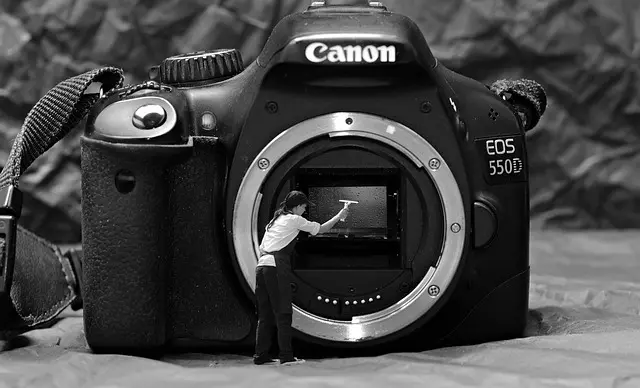
- [ ] Clean your lens and sensor
- [ ] Prepare necessary equipment (tripod, lenses, spare batteries)
- [ ] Scout your location and identify interesting compositions
- [ ] Ensure proper lighting conditions (consider time of day)
FAQs
- What is the best camera for beginners?
- The best camera for beginners is subjective, but many find DSLRs or mirrorless models like the Canon EOS Rebel series or Sony Alpha series user-friendly.
- How important is editing in photography?
- Editing is crucial in photography, allowing you to enhance images and correct errors, ultimately improving your work's quality.
- Can I start photography with just a smartphone?
- Absolutely! Many photographers started with smartphones and have created stunning images. Focus more on composition and lighting than gear.
- What are some common mistakes to avoid in photography?
- Common mistakes include poor lighting choices, neglecting composition, and failing to check camera settings before shooting.
Glossary
| Term | Definition |
|---|---|
| Aperture | The opening in a lens through which light passes, controlled by the f-stop setting. |
| Shutter Speed | The duration for which the camera shutter is open to expose light to the sensor. |
| ISO | The sensitivity of the camera's sensor to light, affecting image brightness. |
📺 For further exploration:
Explore how to capture stunning landscapes, a complete guide on photography. Search on YouTube: landscape photography tips 2026.
Conclusion
In conclusion, developing your photography skills involves understanding the basics, mastering your equipment, and continuously seeking to improve through practice and feedback. Follow these steps, and you'll be well on your way to becoming a successful photographer. Keep challenging yourself, and don’t be afraid to explore new techniques. Your passion for photography will drive your growth in this exciting field.
📺 Pour aller plus loin : landscape photography tips 2026 sur YouTube