Table of Contents (13 sections)
Starting your photography journey can be exciting yet overwhelming, especially when it comes to selecting the right equipment. Understanding the essential equipment can help streamline the process, allowing you to focus more on creativity rather than technical limitations. In this guide, we will walk you through the necessary steps to make informed decisions regarding your photography gear, ensuring you invest wisely and effectively.
1. Understand Your Photography Goals
Before making any purchases, it's crucial to define your photography goals and what you aim to achieve. Are you interested in landscape photography, portraits, street photography, or perhaps wildlife? Each photography genre has specific requirements, influencing the type of equipment you'll need. For instance, landscape photographers often seek wide-angle lenses, while portrait photographers benefit from fast prime lenses to achieve that creamy bokeh effect. By identifying your niche, you can narrow down your options and focus on gear that enhances your unique style.
2. Research Camera Types
There are various types of cameras available, each with its pros and cons. The most common options include compact cameras, DSLRs, and mirrorless systems.
- Compact Cameras: Portable and user-friendly, perfect for casual use. However, they often lack advanced features.
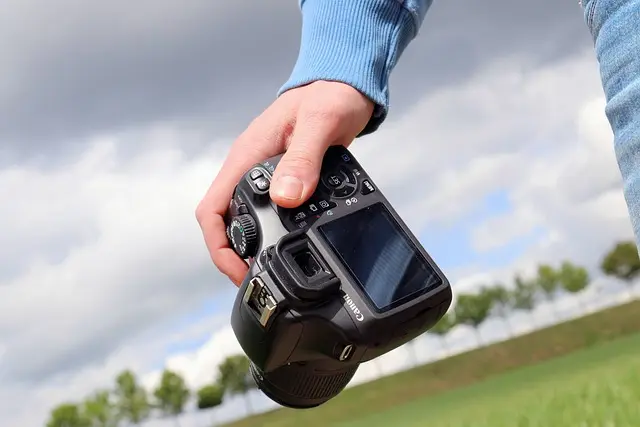
- DSLRs: These cameras offer excellent image quality and versatility, being a popular choice for beginners and professionals alike. DSLRs usually have a wide variety of lenses available.
- Mirrorless Cameras: These systems are gaining popularity due to their lightweight bodies and advanced features. They provide similar image quality to DSLRs but often lack the extensive lens selection.
Understanding these camera types will help you align your choice with your photography goals and comfort level.

Soozier Adjustable Steel Seated Calf Raise Exercise Strength Training Gym Equipment, Yellow
aosom.com
📺 Resource Video
> 📺 For those interested: A detailed overview of the best beginner cameras and their features.
Search YouTube for: best entry-level cameras 2026.
3. Determine Your Budget
Setting a budget is a fundamental aspect of choosing photography equipment. It's essential to consider not only the camera body but also accessories such as lenses, memory cards, and a sturdy tripod. On average, beginners should budget at least $500-$1000 for entry-level gear. Keep in mind that investing in quality lenses can significantly impact image quality, often more than the camera body itself. Therefore, allocate funds judiciously—prioritize lenses and accessories while ensuring your main camera body serves your needs well.
4. Choose the Right Lenses
The lens you use has a profound influence on your photography. The three primary types to consider are:
- Standard Zoom Lens: Versatile for general use, ideal for various scenarios.
- Prime Lens: Known for their sharpness and faster apertures, great for portraits and low-light situations.
- Telephoto Lens: Perfect for wildlife or sports photography, allowing you to capture distant subjects.
It's advisable to start with a standard zoom lens for flexibility, then progressively invest in other lenses as your skills and interests develop.
Example of Lens Selection
Here's a simple comparison of three popular lens types:
| Lens Type | Pros | Cons | Best For |
|---|---|---|---|
| Standard Zoom | Versatile, easy to use | May lack sharpness | General use |
| Prime Lens | High-quality images | Fixed focal length | Portraits, low light |
| Telephoto Lens | Captures distant subjects | Bulky, heavy | Wildlife, sports |
6. Learn About Lighting
Understanding lighting can drastically improve your photography. Natural light can create stunning images, but it's also worth investing in additional lighting equipment, such as speedlights or softboxes, as you grow. Experimenting with light can help you understand its influence on your images, allowing your style to evolve over time.
💡 Expert Insight: Developing an understanding of light and how it interacts with your subjects can elevate your photography to new heights. Consider enrolling in workshops or watching tutorials that focus on lighting techniques.
7. Practice, Practice, Practice
Ultimately, the best way to choose and understand your photography equipment is through practice. Take your gear out and start photographing different subjects under various conditions. Each experience will teach you about your equipment and your personal style. Don't be afraid to make mistakes—learning from them is a crucial aspect of growth in photography. As you become more comfortable with your gear, you’ll naturally know when to upgrade or expand your collection.
Checklist before Purchase
- [ ] Define photography goals
- [ ] Research various camera types
- [ ] Set an appropriate budget
- [ ] Investigate lens options
- [ ] Consider essential accessories
- [ ] Understand lighting techniques
- [ ] Commit to practicing regularly
Glossary
| Term | Definition |
|---|---|
| DSLR | Digital Single-Lens Reflex, a camera with a mirror system for capturing images. |
| Prime Lens | A lens with a fixed focal length known for high image quality and faster apertures. |
| Telephoto | A lens that allows shooting distant objects clearly, often used in wildlife photography. |
Conclusion
Choosing the right photography equipment for beginners requires a balance of research, understanding your goals, and practical experience. As you embark on this exciting journey, remember to take your time and invest thoughtfully.
Don't forget to check out our recommended products below to help you choose the best photography gear!
📺 Pour aller plus loin : best entry-level cameras 2026 sur YouTube
Recommended products
Selected by our experts
DR Power Equipment Lawn Mower Attachment 1 each
acehardware.com
This lens is versatile and great for capturing sharp images in various conditions, making it an excellent choice for beginners.
Soozier Adjustable Steel Seated Calf Raise Exercise Strength Training Gym Equipment, Yellow
aosom.com
Perfect for building your photography skills, this accessory enhances your capabilities in different lighting situations.